Why Orders Come Back: Address Validation, Undeliverable Packages, and What Return to Sender Really Costs
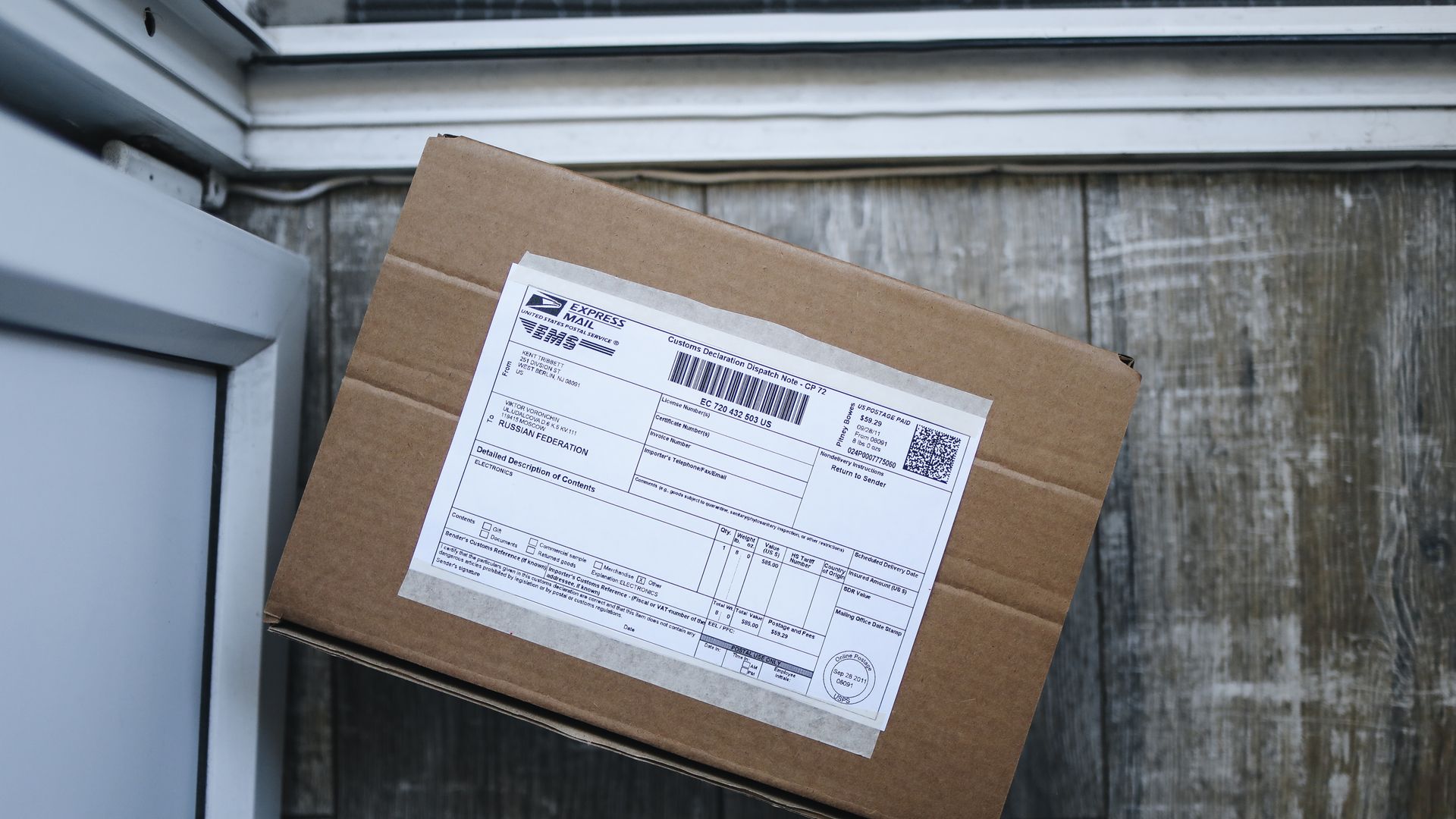
Return to sender (RTS) happens when a carrier cannot complete delivery and sends the package back to the shipping warehouse — and almost every RTS is an address problem that could have been caught before the label printed. The direct cost is two shipping charges and a receiving fee on a single order you may still have to refund. The indirect cost is a support ticket, a delayed customer, and inventory sitting in transit instead of on a shelf.
Address quality is one of the least glamorous levers in ecommerce operations and one of the most reliably profitable. Here is how it actually works.
What is address validation?
Address validation is the process of checking a shipping address against an authoritative postal database before a label is created, and either correcting it, flagging it, or blocking it. In the United States, that authority is the USPS address database, which standardizes formatting, confirms the address exists, and appends the ZIP+4.
What is the difference between validation, standardization, and verification?
- Standardization reformats what the customer typed into the postal standard ("Street" becomes "ST", "Apartment 4" becomes "APT 4").
- Validation confirms the standardized address exists as a deliverable point.
- Verification in practice usually means both, plus a residential/commercial classification that affects your rate.
That last piece matters financially. Carriers apply residential surcharges, and an address misclassified as commercial at label time commonly shows up later as an address-correction adjustment on your invoice.
What actually causes undeliverable packages?
From the outbound side, the recurring causes are boring and fixable:
- Missing secondary address. Apartment, suite, or unit numbers dropped at checkout. This is the single most common cause of RTS in residential ecommerce.
- Autofill mismatches. Browser autofill mixing a new street with an old city or ZIP.
- Typos in the street number. Often still "valid" to a naive validator because the street exists.
- PO boxes on a carrier that does not deliver to them. A UPS or FedEx ground label to a PO box will not complete.
- Vacant or forwarded addresses. The customer moved; mail forwarding does not always apply to parcel carriers.
- Access problems. Gated communities, campus mailrooms, and businesses closed during delivery hours produce repeated delivery attempts and then RTS.
- Refused deliveries. Customer refuses at the door, frequently after a duplicate order or a delayed delivery.
Why do some bad addresses still pass validation?
Because a validator answers "does this address exist?" not "does this specific person live there?" A well-formed address with the wrong house number passes cleanly. That is why validation should be paired with a checkout prompt when the customer's entry was silently corrected, and with a flag for addresses that validate only at the street level rather than the unit level.
What does a return to sender actually cost?
Build the number for your own catalog rather than guessing. The components:
- Outbound shipping on the original label, already spent.
- Return transportation back to the fulfillment center. Carriers generally charge for the return leg, and address-correction fees may already have been applied on the way out.
- Receiving and inspection at the warehouse — an inbound touch that is not a normal restock.
- Reship or refund. Either a second outbound label or lost revenue plus the cost of goods if the product cannot be resold.
- Support time. RTS almost always generates at least one contact.
For a typical parcel, the fully loaded cost of one RTS is several times the margin on a small order. That is why brands with thin AOVs feel this the hardest. If you are auditing this kind of leakage, our breakdown of landed cost in 2026 is a useful companion, and our pick and pack cost breakdown covers the warehouse side.
How do you prevent undeliverable packages?
- Validate at checkout, not after. Run validation in the browser before the order is submitted, and show the customer the corrected version for confirmation. Correcting after the fact removes the one person who knows the right answer.
- Require the secondary address when the database says the building has units. Do not let a multi-unit address through without one.
- Block obvious mismatches between ZIP, city, and state instead of silently rewriting them.
- Classify residential versus commercial at label time so you are rating accurately and not absorbing surcharges later.
- Route PO box orders to a postal service automatically.
- Give support a short editing window. Address changes are only cheap before the label prints, which ties directly to your order cutoff time.
- Watch for exception codes in tracking and reach out before the carrier gives up, rather than after the package is already heading back.
What should happen when an RTS arrives at the warehouse?
A defined path, not an improvised one. Good 3PL handling looks like:
- Identify the original order from the label or tracking number on receipt.
- Inspect and grade the unit — sealed and sellable, or damaged and written off.
- Restock sellable units to available inventory so the count stays honest. This is where cycle counting discipline pays off.
- Notify the brand with a reason code so the pattern is visible.
- Reship with a corrected address or refund, per the brand's rule.
Without reason codes, RTS looks like random noise. With them, you usually find that a large share traces to two or three fixable checkout behaviors.
Frequently asked questions
What does "return to sender" mean in shipping?
It means the carrier could not deliver the package and is returning it to the shipper's address. Common triggers are an invalid or incomplete address, a refused delivery, an unclaimed package after repeated attempts, or a vacant address.
How long do carriers hold a package before returning it?
It varies by carrier and service, but the common pattern is multiple delivery attempts followed by a hold period at a local facility before the package is returned. Watch for the exception scan — that is your window to intervene.
Does address validation stop all return to sender?
No. It removes the largest category — malformed and non-existent addresses — but it cannot stop refusals, access problems, or a customer who moved. Expect validation to cut the volume substantially, not eliminate it.
Who pays for a return to sender package?
The shipper, in nearly all cases. Carriers charge the return leg to the account that paid for the outbound label, and address-correction fees are billed to the same account.
Should I refund or reship an RTS order?
Reship with a corrected address when the customer still wants the product and the unit is sellable — it preserves the revenue. Refund when the unit came back damaged or the customer has already repurchased. Either way, have the rule written down so the warehouse is not guessing.
Where Atomix fits
Atomix Logistics receives RTS parcels against the original order, grades and restocks sellable units, and reports reason codes back to brands so the underlying checkout problem becomes visible. If undeliverable packages are showing up as an unexplained line on your fulfillment invoice, reason-coded RTS data is the fastest way to find out why.

.svg)
.svg)
.svg)