Landed Cost in 2026: What Your Inventory Actually Costs Now That De Minimis Is Gone
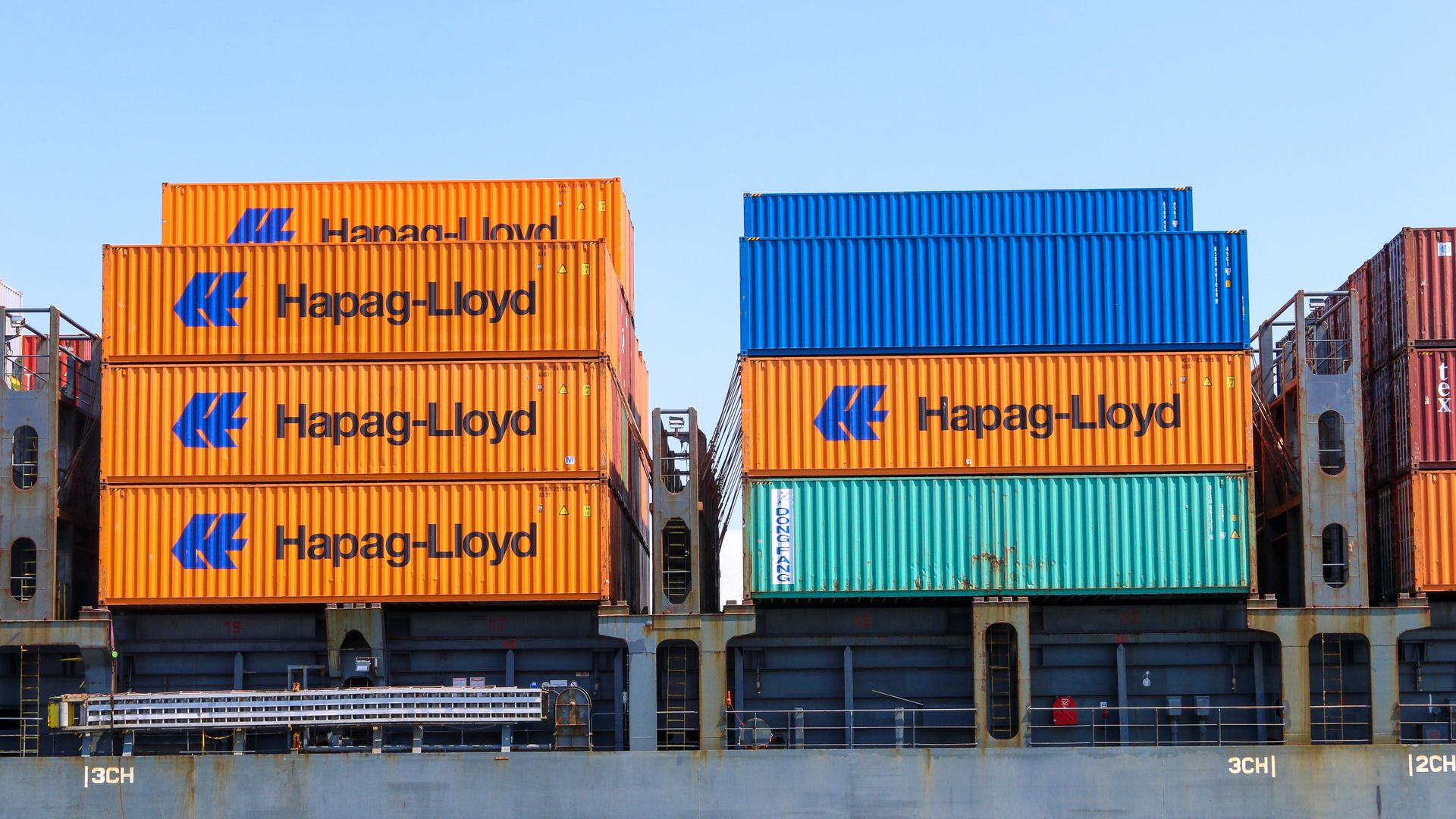
Landed cost is the total cost of getting one unit of inventory from your supplier onto a pickable shelf, ready to sell. It is the unit price plus international freight, duties and tariffs, customs brokerage, insurance, drayage, and inbound receiving. It is not what your supplier invoiced you, and the gap between those two numbers is where a lot of brands quietly lose their margin.
The number matters more in 2026 than it did two years ago, because a routing strategy many DTC brands relied on has closed. U.S. Customs and Border Protection indefinitely suspended the $800 de minimis exemption under Section 321 for merchandise arriving through all modes other than the international postal network, effective June 24, 2026 — after earlier suspensions covering China and Hong Kong in May 2025 and all other countries in August 2025. Congress separately repealed Section 321 for commercial shipments effective July 1, 2027. Low-value imports that used to enter duty-free now require formal or informal entry and are subject to applicable tariffs.
Translation: if your landed cost model still assumes duty-free entry under $800, it is wrong.
What goes into landed cost?
Seven components. Miss any of them and you are underestimating.
- Unit cost. What the supplier invoices per unit, net of any volume discount you actually receive.
- International freight. Ocean or air, allocated per unit. Ocean is cheaper per unit but ties up cash for weeks longer.
- Duties and tariffs. Determined by HTS classification and country of origin. Rates change; verify current rates rather than reusing last year's number. See our HTS code guide.
- Customs brokerage and entry fees. Per-entry charges, which now apply to shipments that previously entered without them.
- Cargo insurance. A small percentage of declared value, and cheap relative to the downside.
- Drayage and inland transport. Moving the container from port to warehouse. We break the mechanics and cost drivers down in drayage explained.
- Inbound receiving. What your 3PL charges to unload, count, label, and put away. Real money, routinely omitted from the model.
How do you calculate landed cost per unit?
The structure is straightforward; the discipline is in allocating shared costs correctly.
Landed cost per unit = unit cost + (allocated freight) + (duty and tariffs) + (allocated brokerage and fees) + (allocated insurance) + (allocated drayage) + (receiving cost per unit)
Two allocation rules that matter:
- Allocate freight by the constraint that actually drives the cost. For dense, heavy goods that is weight. For light, bulky goods it is volume. Splitting freight evenly across units in a mixed container overcharges your small SKUs and undercharges your large ones — which then distorts every pricing decision you make from that data.
- Allocate duty by HTS line, not across the whole shipment. Different products classify differently and carry different rates. Averaging hides which SKU is actually unprofitable.
A simple worked example
Say you import 5,000 units in one container. Supplier invoice is $4.00 per unit. Ocean freight, brokerage, insurance, and drayage total $9,000 for the shipment. Duty on this HTS line comes to $2,400. Your 3PL charges $600 to receive the container.
- Unit cost: $4.00
- Freight and related: $9,000 / 5,000 = $1.80
- Duty: $2,400 / 5,000 = $0.48
- Receiving: $600 / 5,000 = $0.12
- Landed cost: $6.40 per unit
That is 60% above the invoice price. If you set retail against $4.00, your actual gross margin is not what your spreadsheet says. Add fulfillment and shipping on the outbound side — see calculating fulfillment cost per order — and the picture changes again.
What changed with de minimis, specifically?
Under Section 321, shipments valued at or under $800 could enter the United States duty-free with minimal formality. That made it viable for some brands to hold inventory offshore and ship individual orders direct to U.S. consumers, skipping duty entirely.
That option is closed for non-postal modes as of June 24, 2026, with a statutory repeal for commercial shipments scheduled for July 1, 2027. The practical consequences for a DTC brand:
- Direct-from-overseas order fulfillment now carries duty and entry costs that were previously avoided. The cost advantage that made the model work has largely gone.
- Bulk import plus domestic fulfillment is comparatively more attractive. You pay duty once on a container rather than per parcel, and you get faster domestic delivery.
- Per-entry fees now apply to small shipments that previously had none, which hits low-value, high-frequency shipping hardest.
- Customs data quality matters more. Classification and valuation errors that used to be invisible under the exemption now create delays and penalties.
Our Section 321 and trade compliance guide has more background. Rules in this area have moved repeatedly — confirm current status with a licensed customs broker before making a sourcing decision on the basis of any article, including this one.
Where do brands get landed cost wrong?
- Using the supplier invoice as cost of goods. The most common error, and the most expensive.
- Ignoring receiving and putaway. It is small per unit and adds up across a catalog.
- Averaging duty across mixed shipments. Hides the SKUs that are actually losing money.
- Forgetting the cash-flow cost. Ocean freight means capital sits in transit for weeks. That is not a line in landed cost, but it belongs in the decision.
- Never updating the number. Freight rates, duty rates, and fuel surcharges all move. A landed cost calculated eighteen months ago is a guess.
- Excluding returns. If a fifth of units come back, the effective cost of a sold unit is higher than the landed cost of a received unit.
How does landed cost affect reorder decisions?
It sets the true carrying value of inventory, which flows into every downstream calculation: gross margin, contribution margin, safety stock levels, and how much capital a stockout or an overstock really costs. If your safety stock math uses invoice cost rather than landed cost, you are systematically understating the cost of holding inventory and overstating your margin cushion. Related: cost of goods sold.
Frequently asked questions
What is landed cost?
The all-in cost of getting one unit of inventory from the supplier to your warehouse shelf, ready to sell — unit price plus freight, duties and tariffs, brokerage, insurance, inland transport, and receiving.
Is the $800 de minimis exemption still available?
No. CBP indefinitely suspended the de minimis exemption for merchandise arriving through all modes other than the international postal network effective June 24, 2026, following earlier suspensions in 2025. Congress repealed Section 321 for commercial shipments effective July 1, 2027. Confirm current status with a customs broker before acting.
How do you allocate freight across SKUs?
By whichever factor actually drove the cost — weight for dense goods, volume for bulky ones. Allocating evenly per unit across a mixed shipment distorts the cost of every SKU in it.
Does landed cost include fulfillment and shipping to the customer?
No. Landed cost ends when the unit is on the shelf. Pick, pack, and outbound shipping are separate and are added when you calculate contribution margin per order.
How often should you recalculate landed cost?
Every time you place a purchase order, at minimum — and immediately whenever duty rates, freight rates, or your sourcing country change. Given how much has moved in trade policy since 2025, treat any figure older than a quarter as stale.
Getting the inbound side right
Atomix Logistics handles container receiving, drayage coordination, and line-level receiving costs you can actually put into a landed cost model — with transparent pricing and no long-term contract. If you want help modeling your inbound costs, get a quote.

.svg)
.svg)
.svg)