Reverse Logistics: How Returns Flow Back Through a 3PL and What They Really Cost
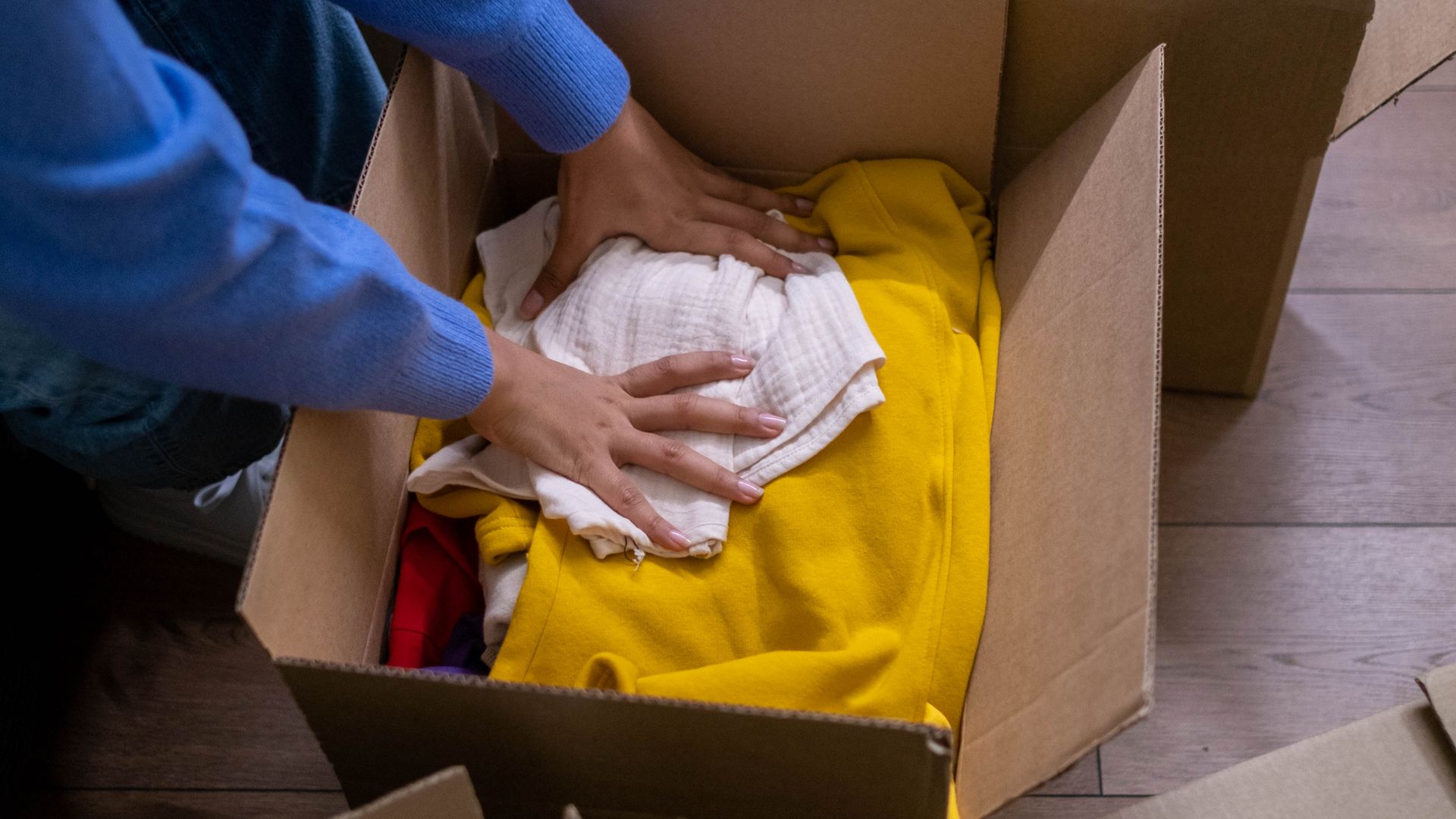
Reverse logistics is everything that happens to a product after a customer decides to send it back — the return authorization, the inbound label, receiving, inspection, and the decision to restock, refurbish, liquidate, or dispose. The cost is rarely the return shipping label. It is the labor to inspect and process each unit, plus the inventory value you write off when a sellable item gets binned because nobody had time to look at it properly.
Most brands measure return rate. Far fewer measure cost per return or recovery rate — the share of returned units that make it back into sellable stock. Those two numbers are where the money is. Here is how the process works inside a 3PL, where the cost hides, and what to fix before the post-holiday returns wave.
What are the steps in reverse logistics?
A clean returns flow has six stages:
- Authorization. The customer requests a return and gets an RMA number and a label. If this step is manual, it is already costing you support hours.
- Inbound transit. The package travels back, usually on your dime or the customer's, depending on your policy.
- Receiving. The warehouse scans the RMA, matches it to the original order, and logs the return against it.
- Inspection and grading. Someone opens the box and decides condition: new and sellable, opened but sellable, damaged, or missing components.
- Disposition. Based on grade, the unit is restocked, repackaged, set aside for liquidation, or disposed of.
- Reconciliation. Inventory counts update, the refund is released, and the return is closed.
Stage 4 is the one brands underspecify and the one that determines your recovery rate. A warehouse without written grading rules will default to whatever is fastest, and the fastest disposition is almost always the one that destroys the most value.
Where does the cost in returns actually hide?
| Cost | Visible on an invoice? | Notes |
|---|---|---|
| Return shipping label | Yes | The number everyone watches |
| Receiving and inspection labor | Sometimes | Often billed per return; scales linearly with volume |
| Repackaging materials | Sometimes | New polybag, new carton, new insert |
| Inventory write-off | No | The largest cost and the least tracked |
| Support time | No | Manual RMAs and "where is my refund" tickets |
| Cash cycle delay | No | Capital sits in transit and in the returns queue |
The pattern is consistent: the costs you can see are the small ones. Write-offs and support time are bigger and invisible unless you deliberately measure them. If you want a framework for the metrics worth tracking, see fulfillment KPIs every ecommerce brand needs to track.
What is a good recovery rate on returns?
Recovery rate is the percentage of returned units that get back into sellable inventory. It varies enormously by category — apparel returns are frequently resellable, opened consumables usually are not, and anything with a hygiene seal is often a total loss once opened.
Rather than chasing a benchmark, measure your own by SKU category and watch the trend. Then ask a sharper question: of the units you are not recovering, how many were actually unsellable versus graded as unsellable because grading was rushed? That gap is recoverable margin.
How do you improve recovery rate?
- Write the grading rules yourself. Define, per SKU category, exactly what counts as restockable. Do not leave it to the warehouse's judgment.
- Require photos on damage grades. It creates accountability and gives you data on whether damage is happening in outbound transit, at the customer, or on the way back.
- Allow repackaging as a disposition. A product that is fine but whose carton is crushed should get a new carton, not a write-off.
- Set an SLA on the returns queue. Returns that sit for three weeks get graded worse than returns processed in two days, because nobody remembers the context.
How do you know if returns are a fulfillment problem or a product problem?
Ask your 3PL to capture a return reason at inspection, not just at customer request. The two often disagree, and the disagreement is the signal:
- Customer says damaged, inspection confirms damaged. Look at outbound packaging — this is yours to fix. See reducing fulfillment errors.
- Customer says wrong item, inspection confirms it. A pick accuracy problem. Escalate to your 3PL with data.
- Customer says damaged, inspection finds it pristine. Usually a product expectation gap — fix the listing photos and copy, not the warehouse.
- High returns on one SKU with no damage. Sizing, fit, or description issue. Product and merchandising problem.
Without inspection-level reason codes you cannot tell these apart, and you will spend money on the wrong fix.
Why does this matter most right before Q4?
Because the returns wave lands in January, and it lands on the volume you shipped in November and December. Whatever your returns process does at normal volume, it will do worse at three times that volume. Two things worth doing now, in August:
- Time your current returns cycle. Measure days from delivery-back to refund-issued. If it is already slow, peak will break it.
- Agree grading rules and a queue SLA with your 3PL in writing before peak. Not in January, when the dock is full.
Our guide to managing post-holiday returns and inventory covers the January side, and fulfillment readiness for peak season covers the outbound side.
Should a 3PL handle your returns?
Usually yes, for one reason: the returns dock should be attached to the inventory. If returns go to a different address than your stock, every restockable unit needs a second shipment to get back into sellable inventory — which adds cost and days for no benefit.
What to confirm before you hand it over:
- Can they receive against the original order, not just as loose inventory?
- Will they follow written per-category grading rules?
- What is the committed turnaround from receipt to disposition?
- How is returns labor billed — per unit, per return, or hourly?
- Can they repackage and restock, or only restock or dispose?
- What reporting do you get on reasons, grades, and recovery rate?
At Atomix, returns are handled by the same pod that ships your outbound orders — dedicated space, a consistent team, and a Pod Manager who can actually answer why a specific unit was graded the way it was. That continuity is the difference between a returns report and a returns explanation.
Related reading: returns and exchanges strategies, your options for handling returns, and clearing dead stock.
Frequently asked questions
What is reverse logistics?
Reverse logistics is the movement of goods from the customer back toward the seller — covering return authorization, inbound transit, receiving, inspection and grading, disposition (restock, repackage, liquidate, or dispose), and inventory and refund reconciliation.
What is the difference between reverse logistics and returns management?
Returns management usually refers to the customer-facing side: policy, RMAs, and refunds. Reverse logistics is the broader physical and inventory process, including what happens to the unit after it arrives back at the warehouse.
What is the biggest cost in reverse logistics?
For most ecommerce brands it is inventory write-off — sellable units that never make it back into stock — followed by inspection labor. Return shipping is the most visible cost but often not the largest.
How long should a return take to process?
Set an SLA with your 3PL rather than accepting a default. A tight queue keeps recovery rates high because units are graded while their condition and context are still clear.
Can returned inventory be resold as new?
It depends on category and condition. Unopened items in intact packaging are frequently restockable as new. Opened consumables, anything past a hygiene seal, and items missing components generally are not. Define the rule per SKU category in writing.
Want returns handled by the same team that ships your orders? Get a quote from Atomix and we will walk through your returns flow.

.svg)
.svg)
.svg)