3PL vs 4PL: Which Fulfillment Model Fits a Growing Ecommerce Brand?
Short answer: A 3PL (third-party logistics provider) performs logistics work for you, typically receiving, storing, picking, packing and shipping your orders from its own warehouses. A 4PL (fourth-party logistics provider) manages your supply chain as a whole, coordinating multiple 3PLs, carriers and freight forwarders on your behalf, often without operating warehouses itself. Most ecommerce brands, especially those under a few hundred thousand orders a year, get more value from a strong 3PL with good technology than from adding a 4PL management layer.
What is a 3PL?
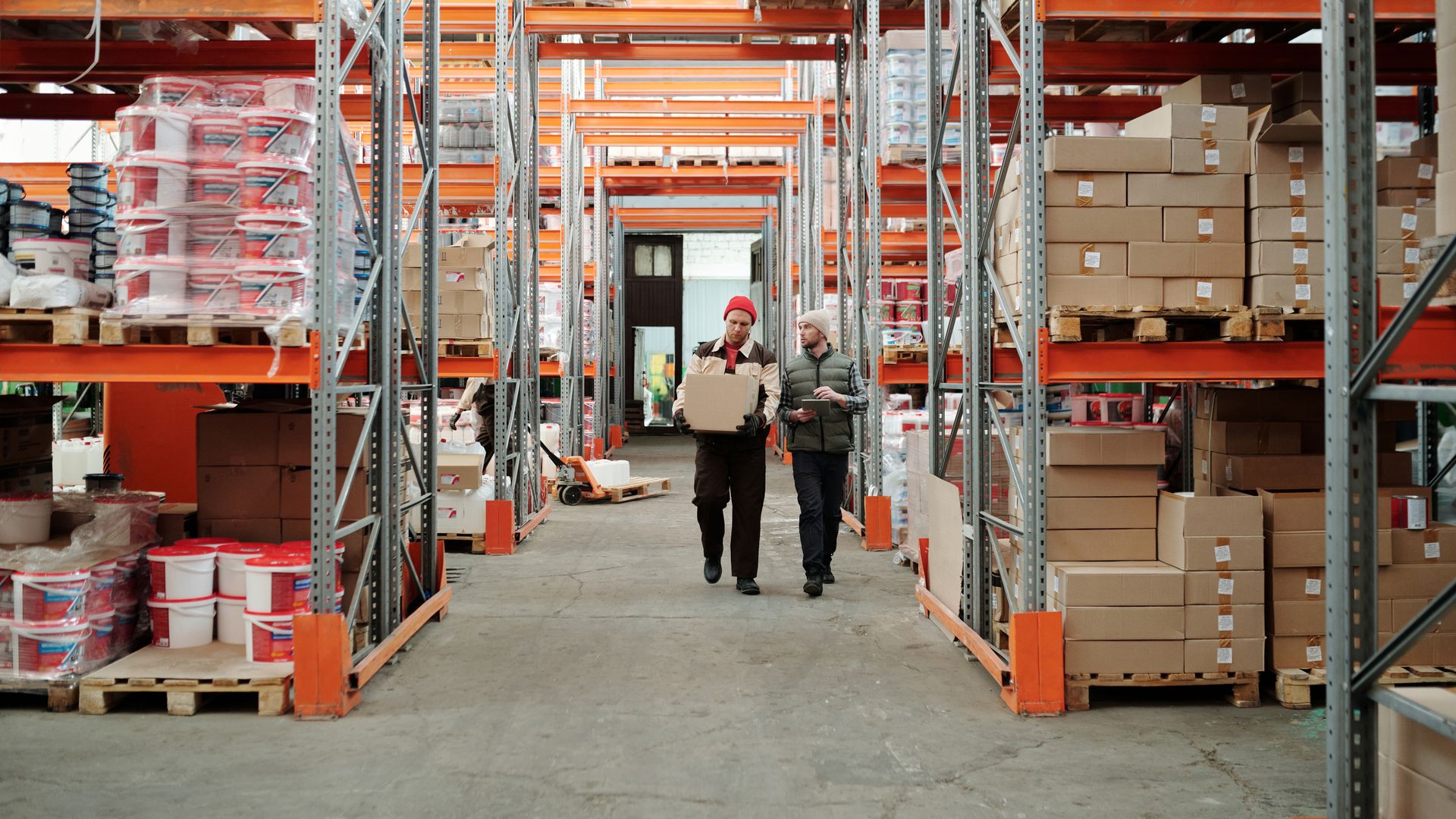
A 3PL is an outside company that runs logistics functions for you. For ecommerce brands that usually means fulfillment: receiving inventory, storing it, shipping customer orders and processing returns, connected to your store through integrations. Our order fulfillment process guide explains the work in detail.
What is a 4PL?
A 4PL acts as a supply chain manager. It designs and oversees the network, selects and manages 3PLs, carriers and forwarders, and is accountable for end-to-end performance. 4PLs are common in large enterprises with global, multi-country supply chains. For a deeper definition, see our guide to 4PLs.
What are the key differences between a 3PL and a 4PL?
- Role. A 3PL executes; a 4PL orchestrates.
- Assets. A 3PL usually operates warehouses and staff; a 4PL is often asset-light and manages others' assets.
- Scope. A 3PL covers specific functions such as fulfillment; a 4PL covers planning, procurement of logistics services and network design across the chain.
- Relationship. With a 3PL you manage the provider; with a 4PL, the 4PL manages providers for you.
- Cost structure. A 3PL bills for the work performed; a 4PL adds a management fee on top of the underlying providers' costs.
- Typical customer. 3PLs serve brands of almost every size; 4PLs mostly serve large companies with complex, global networks.
When does a 3PL make more sense?
- You sell mainly in the U.S. through DTC, marketplaces and some wholesale.
- You want direct visibility into inventory and orders.
- You can manage one or two logistics partners with a small team.
- You want to keep logistics costs tied to work performed, without a management layer.
A 3PL with multiple fulfillment centers can also cover much of what brands hope a 4PL will do, such as splitting inventory across nodes. See our guide on distributed inventory across fulfillment centers.
When does a 4PL make sense?
- You manage several 3PLs, regions or countries and lack the internal team to coordinate them.
- Your supply chain includes significant international freight, customs and multiple manufacturing sources.
- You want a single party accountable for end-to-end logistics performance and are willing to pay for it.
What are the risks of each model?
With a 3PL, the main risk is choosing a provider whose systems and service do not fit ecommerce; vet carefully using our 3PL vetting checklist. With a 4PL, the risks are added cost, less direct contact with the people handling your inventory, and dependence on one intermediary for visibility.
How do you decide between a 3PL and a 4PL?
- Map how many logistics providers you manage today and how much time it takes.
- Estimate what a 4PL management fee would cost relative to that time.
- Check whether one well-networked 3PL could replace several providers.
- Decide how much direct visibility you need into inventory and orders.
If you are running a formal comparison, our 3PL RFP guide shows how to collect comparable proposals.
How does Atomix fit?
Atomix is a 3PL built for ecommerce and B2B brands. It runs fulfillment centers in Milwaukee, Salt Lake City and Baltimore that together reach roughly 80% of the U.S. in two days or less, connects to more than 100 platforms, and gives every brand unlimited access to its WMS for direct visibility, without a 4PL layer in between.
Frequently asked questions
Is a 4PL better than a 3PL?
Neither is better in general. A 4PL suits complex, multi-provider global supply chains; a 3PL suits most brands that need reliable fulfillment.
Can a 4PL use a 3PL?
Yes. 4PLs typically contract with 3PLs to do the physical warehousing and fulfillment work.
What is the difference between 2PL, 3PL and 4PL?
A 2PL is an asset-based carrier, such as a trucking company. A 3PL provides outsourced logistics services such as warehousing and fulfillment. A 4PL manages the overall supply chain and the providers in it.
Is Amazon FBA a 3PL?
FBA functions like a 3PL for Amazon orders, though it serves Amazon's marketplace first and has its own rules and fees.
Deciding how to structure fulfillment? Book a strategy session with Atomix.
Sources: CSCMP Supply Chain Management Definitions and Glossary; Atomix operating data (atomixlogistics.com).

.svg)
.svg)
.svg)