Amazon FBA Prep Services in 2026: What Changed and What a 3PL Does Before Your Inventory Ships
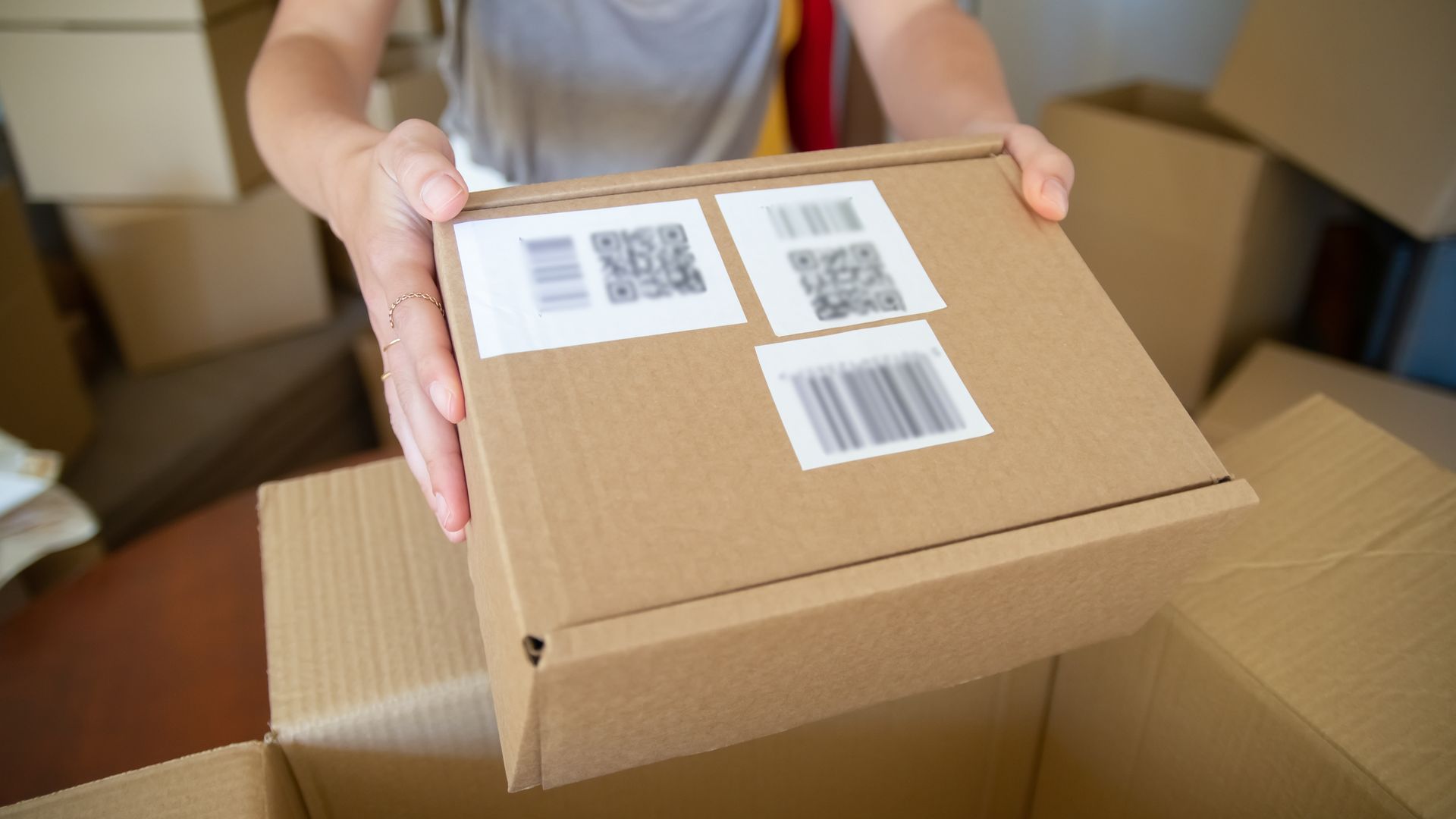
FBA prep is everything that has to happen to your inventory before Amazon will accept it into a fulfillment center: FNSKU labeling, poly bagging with suffocation warnings, bundling, carton packing within Amazon's weight and dimension limits, and correctly labeled shipments. As of 2026, Amazon no longer does most of this for US sellers, which means it is now your job or your 3PL's.
That shift is the single most important change for FBA sellers this year, and it is the reason prep has moved from an afterthought to a line item worth negotiating.
What is FBA prep?
FBA prep is the set of physical and labeling steps required to make a unit and a carton compliant with Amazon's inbound requirements. At minimum:
- Unit labeling with the correct FNSKU barcode
- Protective prep such as poly bagging, bubble wrapping, or taping, depending on the product
- Bundling for multipacks, with the correct labeling on the outer unit
- Carton packing inside Amazon's weight and size limits
- Shipment labeling and box content information matching the plan in Seller Central
Get it right and inventory goes live within days of arrival. Get it wrong and you pay fees, lose sell-through time, or have the shipment refused.
What changed for FBA prep in 2026?
Amazon retired its own prep and labeling services for US sellers
As of January 1, 2026, Amazon discontinued its FBA prep and labeling services for US sellers, including FNSKU labeling, poly bagging, bubble wrapping, and boxing. Sellers who previously leaned on Amazon to fix non-compliant inventory on arrival no longer have that fallback. Prep has to be complete before the shipment ships.
FNSKU labeling became mandatory for non-Brand-Registry resellers
From March 31, 2026, Amazon began requiring all sellers not enrolled in Brand Registry to apply FNSKU labels to every FBA unit. Manufacturer barcodes (UPC, EAN, ISBN) alone are no longer accepted for that inventory. Practically, that removes the "stickerless, commingled" shortcut for resellers, and adds a per-unit labeling step to every inbound shipment.
Requirements are documented in Seller Central, and several 3PL-side summaries such as this 2026 FBA prep requirements guide and this FBA prep checklist track the specifics. Always confirm against Seller Central before a shipment, because Amazon revises these rules frequently.
What does non-compliant inventory actually cost?
This is the part that changes the math on doing prep properly. Based on 2026 fee schedules reported across the FBA seller ecosystem:
| Problem | Reported 2026 cost |
|---|---|
| Unplanned prep service fees | Roughly $0.40-$1.80 per unit, varying by size |
| Inbound defect fees, standard size | Roughly $0.32-$5.72 per unit |
| Inbound defect fees, oversize | Up to roughly $8.25 per unit |
| Shipment refused or held | Lost sell-through time, plus return freight |
Run that against a 2,000-unit shipment and a preventable labeling error becomes a four-figure mistake. At the low end it is a nuisance fee; on oversize inventory it can exceed the unit margin.
What does an FBA prep service include?
A 3PL doing FBA prep properly should handle:
- Receiving and inspection. Count verification, damage check, and confirmation that what arrived matches the PO. Bad inbound data is where most prep problems start.
- FNSKU label generation and application. Correct label, covering existing barcodes completely, scannable through packaging.
- Poly bagging and protective prep. With suffocation warnings where required.
- Bundling and kitting. Multipacks built and labeled as single sellable units. See our kitting and assembly guide.
- Carton packing to spec. Within weight and dimension limits, with correct box content data.
- Shipment creation and freight booking. Including LTL where volume justifies it.
- Documentation. Photos and counts, so a discrepancy claim with Amazon has evidence behind it.
What are Amazon's core prep and labeling requirements?
The specifics that trip sellers up most often, per current published requirements:
- FNSKU label format: approximately 1" x 2", Code 128 barcode, printed at 300+ DPI on white matte stock, placed on a flat smooth surface, scannable through a poly bag, with all other barcodes fully covered.
- Carton weight: 50 lb maximum for standard cartons.
- Carton dimensions: generally no side over 25 inches.
- Poly bags: suffocation warning required at the applicable thresholds; bag must be sealed and the barcode must remain scannable.
Because Amazon adjusts these, treat any third-party summary (including this one) as orientation and verify in Seller Central before you build a shipment.
Should you use a 3PL for FBA prep, or a dedicated prep center?
A dedicated prep center is often cheaper per unit if FBA is all you do. A 3PL wins when FBA is one channel among several, for one reason: your inventory sits in one pool.
| Dedicated prep center | 3PL with FBA prep | |
|---|---|---|
| Per-unit prep cost | Often lower | Competitive at volume |
| Runs DTC from the same stock | Usually no | Yes |
| Can pivot inventory to FBM | Rarely | Yes |
| Handles wholesale and retail POs | Rarely | Yes |
| Best fit | FBA-only sellers | Multi-channel brands |
The pivot ability is worth more than it looks. When Amazon restricts your inbound quantity, a 3PL holding your inventory can ship those units direct to customers as FBM instead of leaving them stranded. Our comparison of FBA vs FBM vs 3PL works through when each model wins.
How does FBA prep fit alongside DTC and wholesale?
For most growing brands, the honest end state is one inventory pool feeding three or four channels: FBA replenishment shipments, FBM orders, DTC orders from your own store, and wholesale or retail POs. That only works if the same operation can do prep-to-Amazon-spec and pick-and-pack-to-consumer out of the same building.
Atomix runs FBA prep, labeling, and forwarding as a standard service alongside Amazon FBM, DTC fulfillment, B2B and wholesale, and freight booking, from facilities in Milwaukee, Salt Lake City, and Baltimore. Practical details that matter for FBA sellers: dock-to-stock averaging 48 hours or less on compliant inbound shipments, so replenishment cycles are not waiting on receiving; orders received by noon ship same day; and every order double-scanned and video recorded, which is exactly the evidence you need when Amazon disputes a receipt.
Frequently asked questions
Does Amazon still do FBA prep for sellers?
Not for US sellers. Amazon discontinued its FBA prep and labeling services, including FNSKU labeling, poly bagging, bubble wrapping, and boxing, as of January 1, 2026. Prep must be completed before inventory is shipped to a fulfillment center, either by you or by a prep partner.
Do I need FNSKU labels on every unit?
If you are not enrolled in Brand Registry, yes. From March 31, 2026 Amazon requires FNSKU labels on every FBA unit for non-Brand-Registry sellers, and manufacturer barcodes alone are not accepted for that inventory. Brand-registered sellers should confirm their current options in Seller Central.
What happens if my FBA shipment arrives non-compliant?
Expect fees rather than a fix. Reported 2026 schedules show unplanned prep fees around $0.40-$1.80 per unit and inbound defect fees from roughly $0.32 up to $8.25 per unit for oversize items, and Amazon may refuse or hold the shipment outright.
Can a 3PL ship my inventory directly into Amazon?
Yes. A 3PL that offers FBA prep will typically also create the shipment, label the cartons, and book the freight, including LTL for pallet quantities. Ask whether they handle Amazon's shipment plans and box content requirements, not just the physical prep.
Is FBA prep worth outsourcing?
If you are shipping more than a few hundred units per replenishment, almost always. The labor is repetitive, the error cost is asymmetric (a $0.20 labeling step versus a $5 defect fee), and Amazon's requirements change often enough that keeping current is real work.
Selling on Amazon and running your own store? See Atomix pricing for FBA prep, FBM, and DTC out of one inventory pool.

.svg)
.svg)
.svg)