Baby and Kids Product Fulfillment: What CPSIA Tracking Labels, Registration Cards, and Small-Parts Warnings Mean for Your 3PL
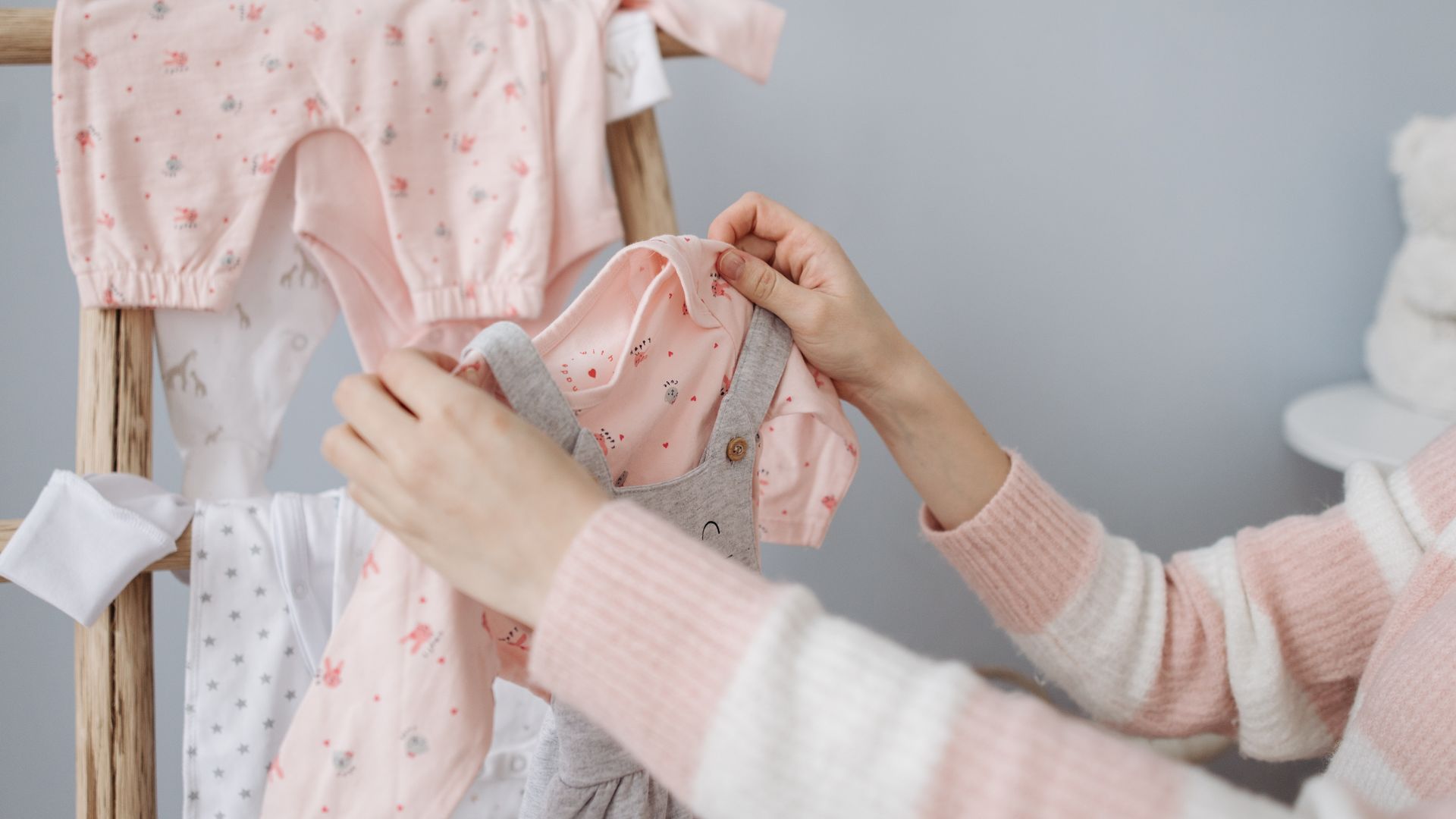
Baby and kids product fulfillment is ordinary ecommerce fulfillment plus a compliance layer. Children's products sold in the United States must carry CPSIA tracking labels that trace a unit back to its manufacturer and production run, durable infant and toddler products must ship with a consumer registration card, and products with small parts need the correct choking-hazard warning. Your 3PL does not own that compliance — but it can absolutely break it.
What makes children's products different in a warehouse?
Three things. Lot traceability is not optional, packaging integrity carries legal weight, and recalls are a realistic operational scenario rather than a hypothetical.
For most CPG brands, a lot number is a nice-to-have. For a children's product brand, the ability to answer "which production run went to which customer" is a regulatory expectation. If your 3PL commingles inventory across lots and cannot report by lot, you cannot execute a targeted recall — you have to recall everything.
What is a CPSIA tracking label?
Under the Consumer Product Safety Improvement Act, children's products must carry a permanent tracking label on the product and its packaging that allows the item to be traced to a specific manufacturer or importer and production run. In practice it identifies the manufacturer or private labeler, the location and date of production, and cohort information such as a batch or run number.
What this means operationally: the label already exists when product arrives. Your 3PL's job is to (a) capture the batch or lot at receiving, (b) not destroy or obscure the label during pack-out, and (c) be able to report which lots shipped to which orders.
What are the extra rules for durable infant and toddler products?
Durable infant or toddler products — cribs, cradles, play yards, high chairs, strollers, carriers, bath seats, and similar items — carry requirements beyond the standard tracking label. They must be permanently marked with the name of the domestic manufacturer or importer of record, U.S. contact information, model name and number, and date of manufacture. They must also include a consumer registration card so owners can be reached in a recall.
The fulfillment consequence is concrete: that registration card has to be in the box. If your 3PL's pack-out process treats the card as an optional insert, or if cards run out and nobody flags it, units ship non-compliant. Registration cards belong on the bill of materials for the SKU, not in a bin of marketing inserts.
What about small-parts and choking-hazard warnings?
Toys and games containing small parts and intended for children between three and six years old require specific choking-hazard labeling, with requirements set out in 16 CFR 1500.19, 1500.20, and 1500.121 covering the exact warning text, placement, and prominence. Where that warning appears on retail packaging, a 3PL must not cover it with a shipping label, a promotional sticker, or a polybag that obscures it.
This is a genuine, frequent, avoidable failure. Write it into your pack-out spec: "do not apply labels to panel X."
What should you require from a 3PL handling kids' products?
- Lot and batch capture at receiving, stored as an attribute in the warehouse management system — not written on a pallet tag.
- Lot-level order traceability — the ability to produce a report of which lots shipped in which orders, on demand.
- FIFO or FEFO rotation so old production runs do not linger behind newer stock.
- A documented pack-out spec per SKU, including required inserts (registration cards), forbidden label placement zones, and polybag requirements.
- Recall readiness. Ask directly: if we need to quarantine lot 2026-04-B tomorrow morning, what happens and how long does it take?
- Damage and open-box handling rules. A returned children's product with a compromised seal generally should not go back to sellable stock without an explicit disposition rule.
How does packaging affect baby and kids fulfillment costs?
Two patterns drive cost in this category:
Dimensional weight. Strollers, play mats, high chairs, and nursery furniture are light for their size, which means you pay on dimensions rather than actual weight. Right-sizing cartons and avoiding double-boxing where the retail box is already ship-ready is often the biggest single cost lever available. Where the retail box must stay pristine (a gift purchase), an overbox is the right call — just make it a deliberate SKU-level decision rather than a default.
Gift and registry behavior. Baby is a heavily gifted category. Expect gift notes, separate ship-to addresses, and a higher share of orders where presentation matters. Confirm your 3PL can handle gift messaging and can suppress pricing on packing slips.
For how these fees appear on an invoice, see our line-by-line breakdown of 3PL costs in 2026.
What about apparel, feeding, and bath SKUs?
Baby brands rarely sell one product type. A typical catalog spans soft goods (apparel, swaddles), feeding items (bottles, utensils), bath and body, and sometimes durable gear — each with different handling:
- Apparel needs size-and-color variant discipline and usually polybagging. Our personal care fulfillment guide covers the adjacent body-care rules.
- Feeding and bath products are food-contact adjacent; ask about storage separation from chemicals and strongly scented inventory.
- Durable gear is where registration cards, permanent marking, and freight-class handling come in.
Frequently asked questions
Does a 3PL need to be CPSIA certified?
There is no CPSIA certification for warehouses. Compliance obligations sit with the manufacturer, importer, or private labeler. What a 3PL needs is the operational capability to preserve compliance: lot capture, traceability reporting, insert control, and label-placement discipline.
Who is responsible if a registration card is missing from a shipped box?
Legal responsibility generally sits with the manufacturer or importer of record. That is precisely why the card belongs in the documented pack-out spec and is audited — a fulfillment error becomes your regulatory problem.
Do all children's products need a registration card?
No. The consumer registration card requirement applies to durable infant or toddler products such as cribs, play yards, high chairs, strollers, and carriers — not to every children's item. The CPSIA tracking label requirement is much broader.
How should a 3PL handle a recall on a kids' product?
Quarantine the affected lots immediately so nothing further ships, produce a report of which orders received those lots, and hold or return inventory per your instruction. All three depend on lot data captured at receiving.
Can returned baby products be restocked?
Only under an explicit disposition rule. Sealed, undamaged retail packaging is generally restockable; anything with a compromised seal on a feeding, bath, or safety item usually should not be. Put the rule in writing rather than leaving it to the receiving team.
The short version
Baby and kids fulfillment is a compliance discipline wearing a warehouse uniform. Capture lots at receiving, keep registration cards on the bill of materials, protect the panels where hazard warnings print, and confirm your 3PL can quarantine a lot and report on it the same day. Get those four right and the rest is ordinary ecommerce fulfillment.
Sources: U.S. Consumer Product Safety Commission guidance on tracking labels, durable infant or toddler product labeling and registration requirements; 16 CFR 1500.19, 1500.20, 1500.121; Consumer Product Safety Improvement Act. This article is general information, not legal advice — confirm requirements for your specific products with qualified counsel or the CPSC.

.svg)
.svg)
.svg)