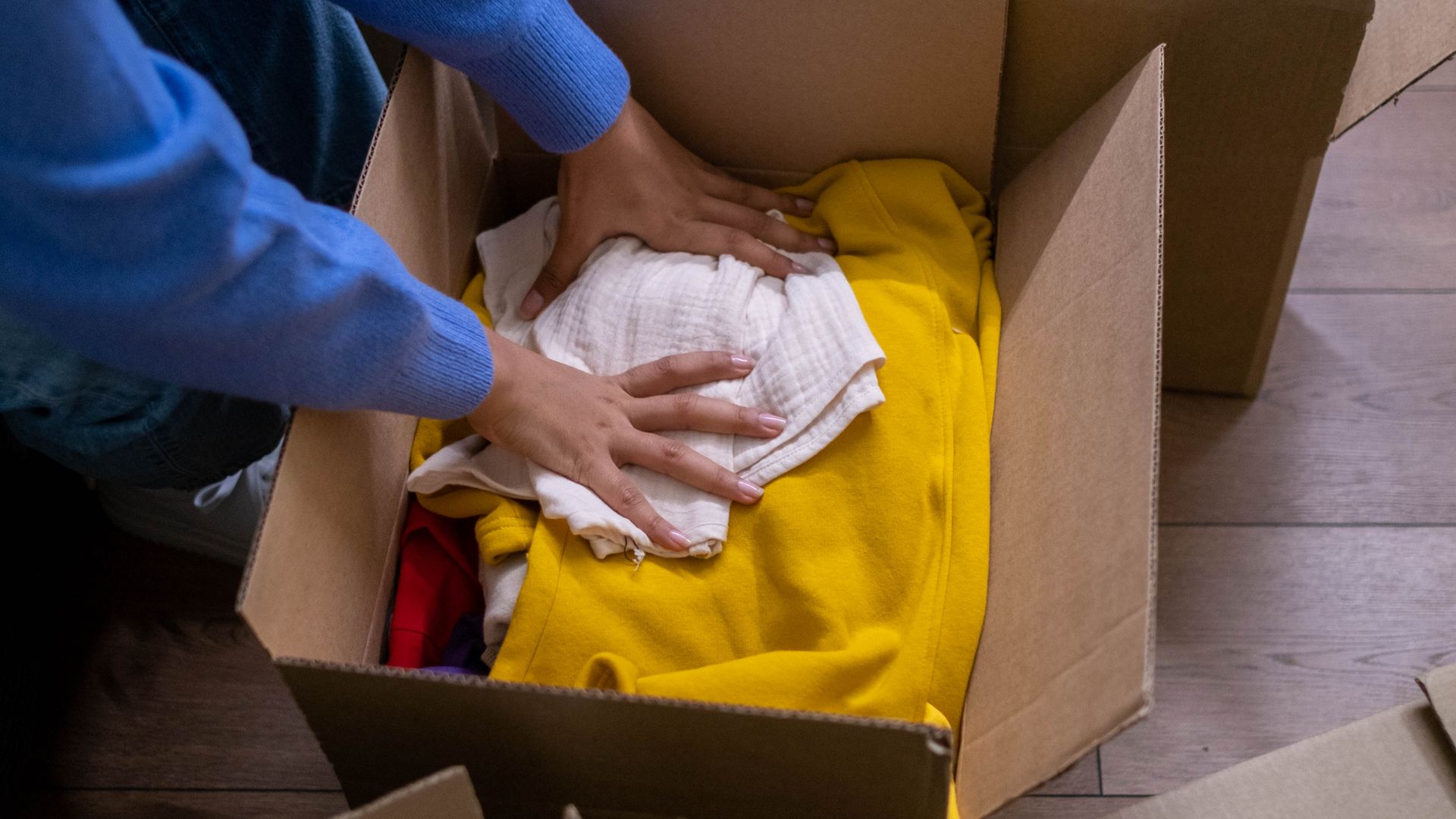
Hair Care Fulfillment: What Haircare and Personal Care Brands Need From a 3PL
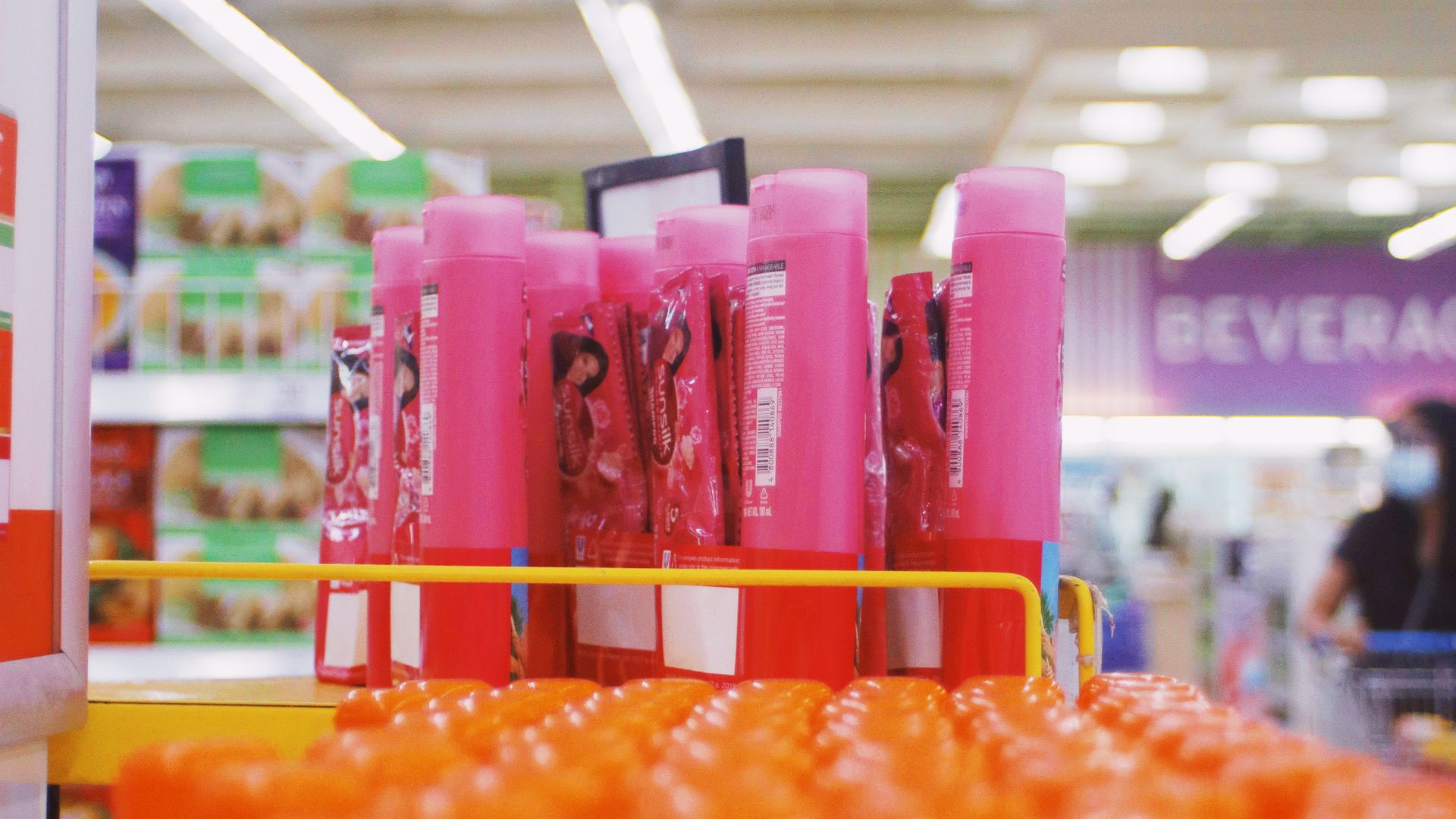
Hair care fulfillment is ecommerce fulfillment built around liquids: leak-resistant packing, lot and expiration tracking, and carrier rules for aerosols and flammables. If you sell shampoo, conditioner, styling cream, or scalp treatments, two things decide whether outsourcing works — how the warehouse packs your bottles, and how tightly it tracks lots. Get both right and damage claims mostly disappear. Get them wrong and you pay in refunds, replacements, and reviews about a box that arrived wet.
This guide covers what a hair care 3PL has to do differently from a generalist warehouse, what to verify before you sign, how pricing shakes out, and the questions that separate a real personal-care operator from a warehouse that will learn on your inventory.
What makes hair care fulfillment different from standard ecommerce fulfillment?
Four things, and they compound:
- Liquids leak. Flip-top caps, pumps, and screw caps all fail differently. A carton that survives a drop test empty behaves nothing like the same carton holding a 16 oz bottle of conditioner.
- Products expire. Most hair care carries a shelf life and a batch code. If the warehouse cannot pick by lot and rotate FIFO, you will eventually ship expired product.
- Some SKUs are regulated for transport. Aerosol dry shampoo and alcohol-heavy sprays can be classified as hazardous materials for air transport, which changes carrier options and labeling.
- Presentation matters more than average. Personal care buyers photograph unboxings. A crushed carton is a brand problem, not just a fulfillment one.
A generalist 3PL can move boxes. A hair care 3PL has to solve all four at once, on every order.
How should a 3PL pack hair care products?
The goal is simple: no movement inside the box, and a barrier between liquid and everything else. In practice that means:
- Bottle-level protection first. Induction seals or cap bands on anything with a pump or flip top. This is the single highest-leverage change most brands can make, and it happens at your manufacturer, not the warehouse — so raise it early.
- Right-sized cartons. Void fill is a patch for the wrong box. Oversized cartons let bottles shift and also inflate your dimensional weight, so you pay twice.
- Isolation for multi-item orders. A leaking conditioner should not be able to ruin the styling cream next to it. Cell dividers or individual poly bags contain the failure.
- Documented pack methods per SKU. Not tribal knowledge. Written, versioned instructions the picking team follows the same way every shift.
For product-level packaging decisions upstream of the warehouse, our guide to shipping hair care products covers liquids and sprays in more depth.
Does a hair care 3PL need lot and expiration tracking?
Yes — and this is where most brands get surprised. Lot tracking is not a standard feature at every 3PL. Ask directly whether the warehouse management system can:
- Receive inventory against a specific lot or batch code
- Store an expiration date per lot
- Pick FIFO or FEFO (first expired, first out) automatically rather than by hope
- Report which orders shipped from which lot
That last one is the important one. If a manufacturer flags a batch, you need to know which customers received it within hours, not weeks. Without order-to-lot traceability, a narrow batch issue becomes a full recall.
What about MoCRA compliance?
The Modernization of Cosmetics Regulation Act (MoCRA) brought facility registration, product listing, and adverse event recordkeeping requirements to cosmetics — a category that includes most hair care products. The legal obligations sit with the responsible person for the product, which is normally the brand, not the 3PL. But your 3PL has to support you: lot-level traceability, clean receiving records, and the ability to pull shipment history on request. Confirm your fulfillment partner can produce that data before you need it. For current requirements, check the FDA's cosmetics guidance directly, since the rules have phased in over time.
Which hair care SKUs create shipping restrictions?
Aerosols and high-alcohol formulas are the usual culprits. A dry shampoo in a pressurized can, or a setting spray with significant alcohol content, may be restricted or fully prohibited for air transport and require specific labeling and packaging for ground.
Two practical consequences:
- Your expedited options shrink. If a SKU cannot fly, two-day service has to come from ground transit distance instead of air — which makes warehouse location a real variable, not a nice-to-have.
- Mixed carts get complicated. An order combining a restricted aerosol with normal SKUs may need to split into two shipments. Ask how your 3PL handles that, and who eats the second label.
Always confirm current classification with your carrier and your formula's safety data sheet. Do not assume a SKU is unrestricted because a similar one was.
How does hair care fulfillment pricing work?
The line items are the same as any 3PL — receiving, storage, pick and pack, packaging materials, shipping — but a few run higher for hair care:
| Cost driver | Why hair care runs higher |
|---|---|
| Packaging materials | Dividers, poly bags, and sturdier cartons cost more than a bare mailer |
| Storage | Liquids are dense and often cannot be stacked high, so you use more cubic space per unit of revenue |
| Shipping | Weight, not size, usually sets the rate on liquids — zone distance matters a lot |
| Special handling | Lot capture at receiving and hazmat labeling add touch time |
Get quoted on your actual SKU mix and average order composition, not a generic per-order rate. Our 2026 breakdown of what a 3PL costs walks through each line item, and the 3PL pricing guide explains the common models.
What should you ask a 3PL before signing?
- Which hair care or liquid personal care brands do you currently ship, and at what volume?
- Can you pick by lot and enforce FEFO? Show me the screen.
- What is your damage rate on liquids, and how is it measured?
- Who pays for a replacement when a bottle leaks in transit?
- Can you handle aerosol SKUs, and which carriers will accept them from your facility?
- How do you document per-SKU pack instructions, and who owns updating them?
- What happens to my inventory in a lot hold — can you freeze picking on one batch only?
For a broader vetting framework, see our complete 3PL vetting checklist.
When does outsourcing hair care fulfillment make sense?
Usually when one of these becomes true: you are spending more time packing than growing, your damage or leak complaints are no longer rare, you need faster delivery than one location can reach, or a retail or marketplace channel is imposing routing requirements you cannot meet from a garage. If you are still weighing it, when to switch from self-fulfillment to a 3PL lays out the signals.
How Atomix approaches personal care fulfillment
Atomix runs a pod model: each brand gets dedicated warehouse space, a consistent picking team, and a direct line to a Pod Manager, with no order minimums. For liquid personal care that structure matters more than it sounds — the same people pack your SKUs every day, so per-SKU pack instructions actually stick instead of being relearned by whoever is on shift. We fulfill from Milwaukee, Salt Lake City, and Baltimore, which lets brands with restricted air SKUs still reach most of the country in one to two days by ground.
Related reading: beauty and cosmetics fulfillment, CPG order fulfillment strategies, and handling personal care returns.
Frequently asked questions
What is hair care fulfillment?
Hair care fulfillment is the storage, picking, packing, and shipping of hair products such as shampoo, conditioner, treatments, and styling products — with added requirements for leak prevention, lot and expiration tracking, and transport rules on aerosols and flammable formulas.
Do I need a 3PL that specializes in beauty or personal care?
You need one that can prove liquid handling and lot-level traceability. A generalist that already ships liquids competently and can pick FEFO is fine. A generalist that has never handled a leak claim or a batch hold is a risk.
Can a 3PL ship aerosol dry shampoo?
Often yes by ground, with correct classification, packaging, and labeling. Air transport is frequently restricted. Confirm per SKU with your carrier and your safety data sheet — classification depends on the specific formula and pressure, not the product category.
How do 3PLs prevent leaks in transit?
Induction seals or cap bands at the manufacturer, right-sized cartons so bottles cannot shift, individual bagging or cell dividers in multi-item orders, and written per-SKU pack instructions that the picking team follows consistently.
What does hair care fulfillment cost?
It varies by SKU weight, order composition, storage footprint, and shipping zones. Expect packaging materials and storage to run above a dry-goods benchmark. Get quoted on your real SKU mix rather than a headline per-order rate.
Shipping hair care and want a partner that already handles liquids and lot tracking? Get a quote from Atomix and we will price your actual SKU mix.

.svg)
.svg)
.svg)