Coffee and Tea Fulfillment: How a 3PL Protects Roast Dates, Freshness, and Subscription Ship Windows
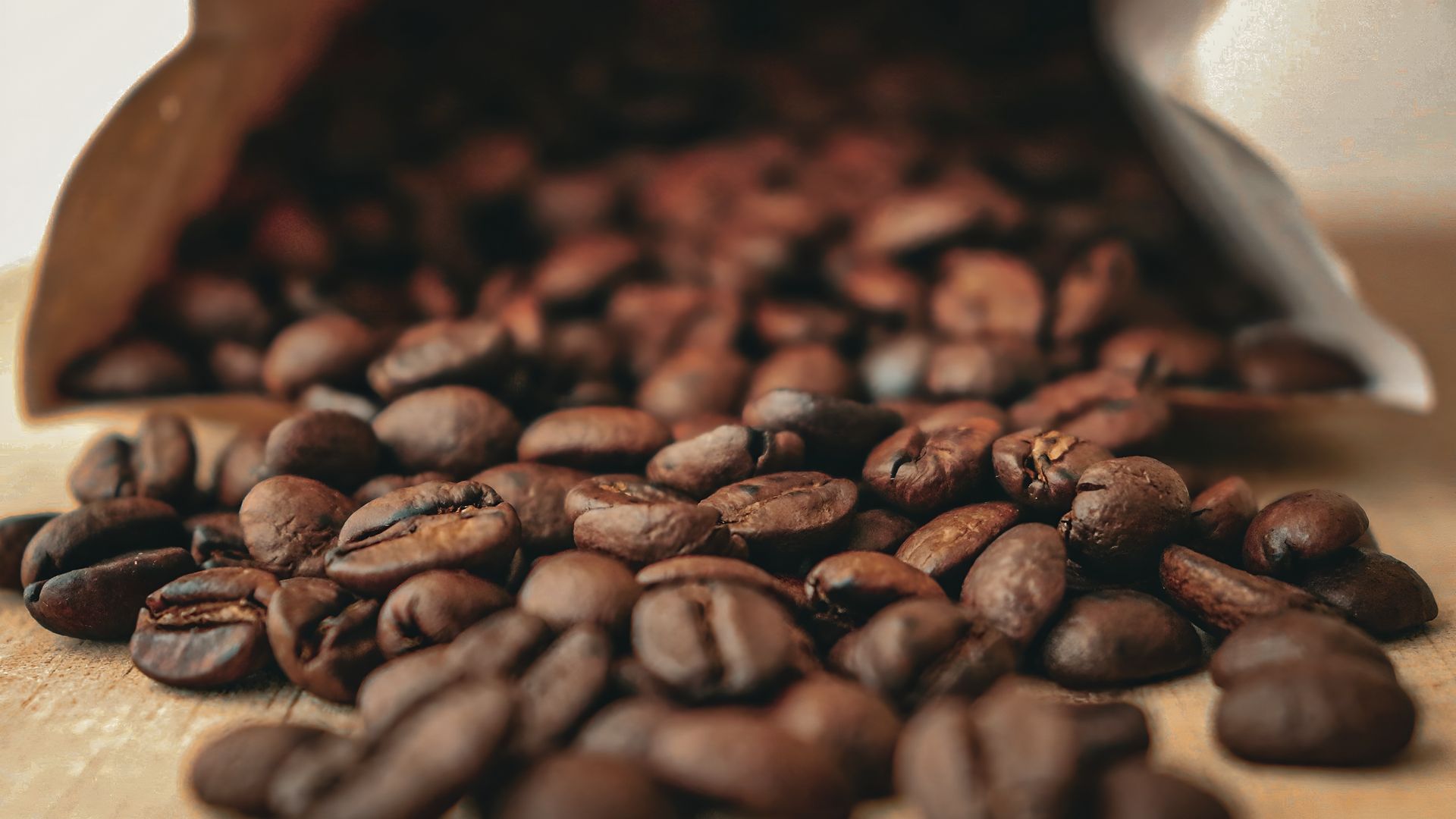
Coffee and tea fulfillment is order fulfillment where the clock matters as much as the count. A 3PL handling coffee has to rotate stock by roast date rather than receipt date, pick first-expired-first-out, protect one-way degassing valves in transit, hold inventory in dry ambient conditions, and ship subscription renewals inside a fixed freshness window. Get any of those wrong and the customer tastes it.
Why is coffee harder to fulfill than most CPG products?
Most consumer goods have a shelf life measured in quarters. Coffee has a flavor life measured in weeks.
Freshly roasted beans release most of their carbon dioxide in the first 7 to 14 days after roasting, which is why nearly every specialty bag carries a one-way degassing valve that lets CO2 out without letting oxygen in. Industry guidance generally puts peak flavor for whole bean at roughly two to six weeks past roast, and many specialty brands want product in a customer's hands within 7 to 14 days of the roast date.
That creates an operational problem a standard warehouse is not built for: your inventory is not interchangeable. Two pallets of the same SKU with roast dates ten days apart are, functionally, two different products. If your 3PL picks the newer pallet because it is closer to the pick face, the older one ages out and becomes a write-off.
What actually degrades coffee in a warehouse?
- Oxygen. The enemy of roasted coffee. A crushed or punctured valve, or a bag with a weak seal, turns a 10-week product into a 3-week product.
- Heat and humidity. Green coffee and roasted coffee both pick up moisture and ambient odors. Tea is worse — loose leaf is highly hygroscopic and will absorb whatever is stored next to it.
- Time on the shelf. Every day between roast and delivery is a day of flavor you already paid for.
- Compression. Stacking cases too high crushes valves and flattens gusseted bags.
What should a 3PL do differently for coffee and tea brands?
Receive on roast date, not receipt date
The single most important thing: your 3PL's warehouse management system needs to capture roast date (or best-by date) as a lot attribute at receiving, not just a quantity. If roast date is not in the system, FEFO is impossible and every downstream rule is guesswork.
Practically, that means your inbound ASN or packing list should include roast date per case, and the receiving team should verify it against the printed date on the bag rather than trusting the paperwork.
Pick FEFO, not FIFO
First-In-First-Out ships whatever arrived first. First-Expired-First-Out ships whatever ages out first. For coffee those are usually the same thing — but not always, especially if you send a rush replenishment of an older roast or a co-packer ships out of sequence. FEFO is the rule that protects you. It is the same discipline used for supplements, food, and beverage, and it is worth confirming your 3PL runs it natively rather than as a manual workaround. Our breakdown of temperature-controlled and perishable fulfillment covers how the same logic applies to refrigerated CPG.
Set freshness thresholds and act on them
Good operators do not just track roast date, they act on it. A workable three-tier rule looks like this:
- Ship freely inside your target window (many specialty brands use 0 to 21 days past roast for DTC).
- Flag and route in a middle band — push it to wholesale, sampling, or a discounted "roaster's choice" SKU rather than a full-price subscription renewal.
- Pull and report past your outer limit so it never reaches a customer.
The thresholds are yours to set. What matters is that they are written into the SLA and the WMS, not living in someone's head. If you are not sure what belongs in a fulfillment SLA, start with our guide to fulfillment SLAs for ecommerce brands.
Protect the valve and the seal
Bags with one-way valves need to be stored and packed so the valve is not crushed. That means case-level stacking limits, no heavy pallets on top of light coffee cases, and pack-out that avoids putting a 5 lb item on top of a 12 oz bag in the same carton. It sounds small. It is the most common preventable damage claim in coffee fulfillment.
Store dry, stable, and away from strong odors
Coffee and tea do not usually need refrigeration — they need consistency. Dry ambient storage, stable temperature, controlled humidity, and separation from strongly scented inventory (candles, cleaning products, some supplements) protects flavor. If you also sell ready-to-drink or cold brew, that is a different conversation; those often do need refrigerated space, which typically carries a meaningful premium over ambient.
How do subscriptions change the fulfillment math?
Most coffee brands are subscription-heavy, and subscriptions turn freshness into a scheduling problem. Renewals hit on a fixed cadence whether or not your freshest lot has landed.
Three things keep that from breaking:
- Align roast schedule to renewal dates. If your renewals cluster on the 1st and 15th, your inbound roast deliveries should land 2 to 4 days before, not two weeks before.
- Give your 3PL forward visibility. Your subscription platform knows next month's renewal count before your warehouse does. Pushing that forecast into fulfillment planning is the difference between a smooth Monday and an all-hands scramble.
- Treat gift and one-time orders separately. They spike around holidays and behave nothing like a renewal curve.
If subscriptions are a large share of your revenue, our guide to subscription box fulfillment goes deeper on batch cadence and churn-driving errors.
What compliance applies to coffee and tea?
Coffee and tea are food. Under 21 CFR Part 1, facilities that manufacture, process, pack, or hold food for sale in the United States generally must register with the FDA as food facilities, and that registration is renewed biennially during the October 1 to December 31 window of every even-numbered year. If your 3PL holds your finished coffee, ask directly whether the specific building storing your inventory is FDA-registered — not whether "the company" is.
Beyond registration, expect your 3PL to be able to produce lot-level traceability: which roast lot went into which order, on which date. That is what makes a recall or a quality complaint a two-hour exercise instead of a two-week one.
What should you ask a 3PL before you sign?
- Can your WMS store roast date as a lot attribute, and does picking enforce FEFO automatically?
- Is the building that will hold my inventory FDA food-facility registered?
- What are your stacking and pack-out rules for valve bags?
- How do you handle a lot that crosses my freshness threshold while still in your building — who gets alerted, and how fast?
- Can you report inventory by roast date, not just by SKU?
- What is your receiving turnaround, so a fresh roast does not sit on a dock for three days?
That last one matters more than most brands expect. A 48-hour receiving delay on a 21-day freshness window is 10% of your shelf life gone before a single order ships.
Frequently asked questions
Does coffee need refrigerated or climate-controlled storage?
Roasted coffee in sealed valve bags generally does not need refrigeration. It needs dry, stable ambient storage away from heat, humidity swings, and strong odors. Refrigeration is typically reserved for ready-to-drink and cold brew products.
What is FEFO and why does it matter for coffee?
FEFO is First-Expired-First-Out: the warehouse picks the lot closest to its expiration or freshness limit first. For coffee it means the oldest roast date ships before a newer one, which prevents aged stock from quietly accumulating in the back of a rack.
How long is roasted coffee good for after roasting?
Whole bean coffee is generally at its best within a few weeks of roasting, with sealed valve-bag packaging commonly quoted in the 8 to 10 week range for acceptable quality. Ground coffee degrades considerably faster. Most specialty DTC brands aim to have coffee in the customer's hands within 7 to 14 days of the roast date.
Can a 3PL handle both whole bean and ground SKUs?
Yes, but treat them as separate freshness profiles. Ground coffee has far more surface area exposed to oxygen and should carry a tighter ship-by threshold than whole bean.
Should tea be stored differently than coffee?
Loose leaf tea is more absorbent than coffee and picks up ambient odors quickly. It should be stored in sealed packaging, away from anything aromatic, and ideally in a separate zone from coffee if you carry both at volume.
The short version
Coffee and tea fulfillment is not a different warehouse — it is a different set of rules running inside the warehouse. Roast date captured at receiving, FEFO enforced at pick, valves protected in pack-out, dry stable storage, and a roast schedule aligned to your subscription renewals. A 3PL that can show you inventory by roast date, not just by SKU, is a 3PL that understands your product.
If you are evaluating partners, our 2026 breakdown of 3PL costs and our guide on CPG fulfillment strategy are useful next reads.
Sources: FDA food facility registration requirements, 21 CFR Part 1; CPSC and industry packaging guidance on one-way degassing valves and coffee shelf life.

.svg)
.svg)
.svg)