Best 3PL for Small & Startup Ecommerce Brands (Low Minimums, No Bloat)
Short answer: The best 3PL for a small or startup ecommerce brand is one with low or no order minimums, transparent per-order pricing, fast onboarding, and a clean integration with your store. At an early stage you are optimizing for flexibility and support, not the rock-bottom rate a high-volume brand can negotiate.
When should a small brand move to a 3PL?
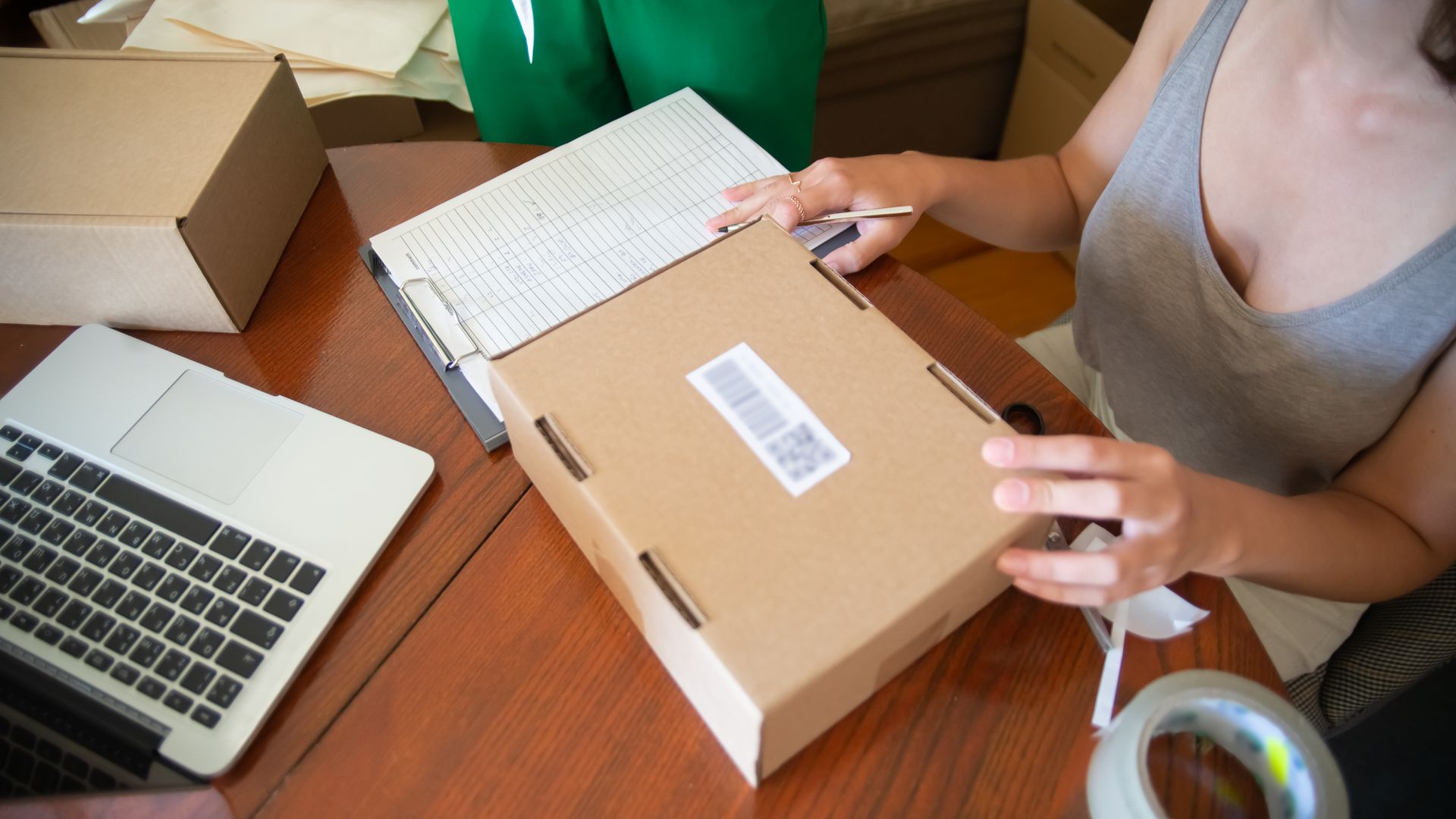
Most founders self-ship at first, and that is fine until it stops being fine. The usual signals are running out of hours to pack orders, shipping costs creeping up because you only ship from one location, mistakes rising as volume grows, and inventory spilling out of a spare room. If two or three of those are true, outsourcing fulfillment frees you to work on product and growth. If you are still deciding between doing it yourself, Amazon, or a 3PL, compare the models in Amazon FBA vs FBM vs 3PL.
What should a startup look for in a 3PL?
Low or no order minimums
Many 3PLs are built for brands already shipping thousands of orders a month and enforce minimums that a startup cannot hit, which means paying for volume you do not have. The best fit for a small brand charges for what you actually ship.
Transparent, simple pricing
You want to understand your cost per order without a spreadsheet full of surcharges. Look for clear receiving, storage, and pick-and-pack rates. Our guide to fulfillment pricing models shows what a clean rate card looks like.
Fast onboarding and real support
Early-stage brands cannot afford a two-month setup. Ask how long onboarding takes, who your point of contact is, and how support is handled when an order goes sideways.
A clean store integration
Your 3PL should sync orders and tracking automatically with your platform. If you sell on Shopify, see how the connection works in our guide to Shopify fulfillment.
Room to grow
Pick a partner that can add locations, channels, and services as you scale, so you are not re-platforming your entire operation in a year. Flexible, no-long-term-contract terms help here.
What questions should you ask before signing?
- What are your order minimums, if any?
- What is my all-in cost per order for my typical basket and destinations?
- How long does onboarding take, and what do you need from me?
- What are your published order-accuracy and on-time-dispatch rates?
- How do returns get handled and billed?
- Where are your warehouses, and how will that affect my shipping zones?
How to avoid overpaying as a small brand
Build your fully loaded cost per order before you compare quotes, using our walkthrough on calculating fulfillment cost per order. Small brands often overweight the pick fee and underweight shipping and surcharges, which is where the real money is.
Frequently asked questions
Can a startup use a 3PL with very low volume?
Yes. Providers built for growing brands accept low volumes and low or no minimums. The key is choosing one whose model fits your stage rather than one optimized for enterprise clients.
Is a 3PL cheaper than self-shipping?
Once you account for your own time, packaging, and single-location shipping costs, a well-located 3PL is often competitive or cheaper, and it removes the labor bottleneck. Model it on your real numbers.
What makes Atomix a good fit for small and startup brands?
Atomix Logistics offers low minimums, transparent pricing, fast onboarding, and warehouses positioned to cut shipping zones, so early-stage brands get enterprise-grade fulfillment without enterprise requirements.

.svg)
.svg)
.svg)