Print on Demand vs. 3PL Fulfillment: Which Model Actually Fits Your Product Line?
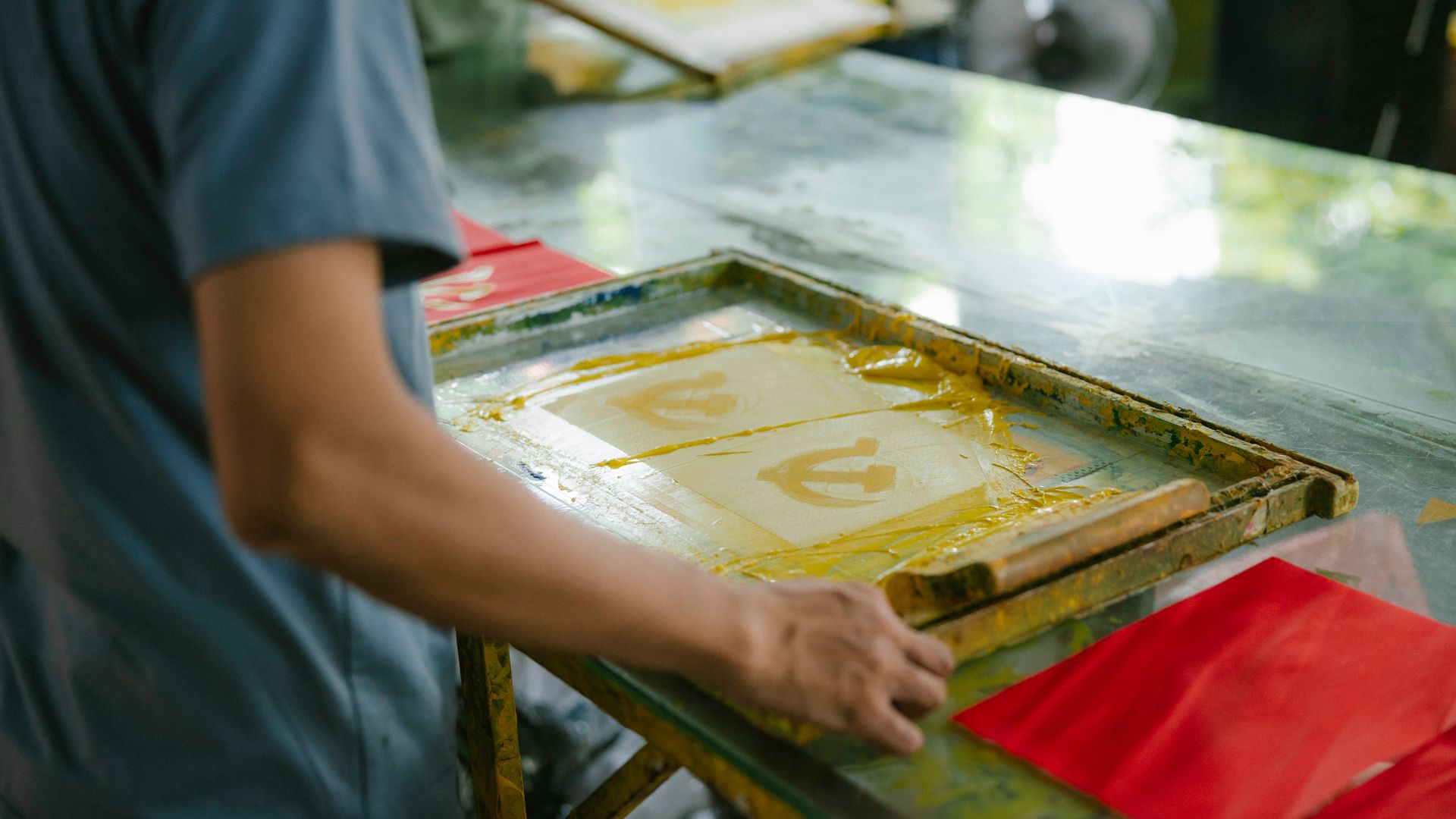
Print on demand makes each unit when it is ordered, so you carry no inventory and no inventory risk — and you pay a high per-unit cost that caps your gross margin. A 3PL holds inventory you have already produced and ships it, so your per-unit cost drops sharply once volume justifies a production run. The right answer is usually a function of two numbers: how predictable your demand is, and how much of your catalog is a proven seller.
What is the actual difference between the two models?
| Print on demand | 3PL fulfillment | |
|---|---|---|
| Inventory investment | None | You buy the run up front |
| Per-unit cost | Highest — production plus fulfillment on every order | Lower — bulk production, then a per-order pick fee |
| Catalog breadth | Effectively unlimited designs and variants | Limited to what you stocked |
| Speed to launch a design | Same day | Weeks (production plus inbound) |
| Delivery speed | Slower — production time added to transit | Faster — pick and ship the same or next day |
| Packaging and unboxing | Limited customization | Fully yours — inserts, custom cartons, kits |
| Risk if a design flops | Near zero | You own dead stock |
When does print on demand win?
- You are testing. New designs, new categories, new audiences — POD is the cheapest way to find out whether anyone wants the thing.
- Your catalog is enormous and long-tail. Hundreds of designs across sizes and colors is thousands of SKUs. Stocking that is a capital and storage problem POD simply removes.
- Demand is spiky and unpredictable. Creator merch, event drops, and topical products can go from zero to hundreds and back with no warning.
- You have no working capital to tie up. POD converts a large fixed bet into a variable cost.
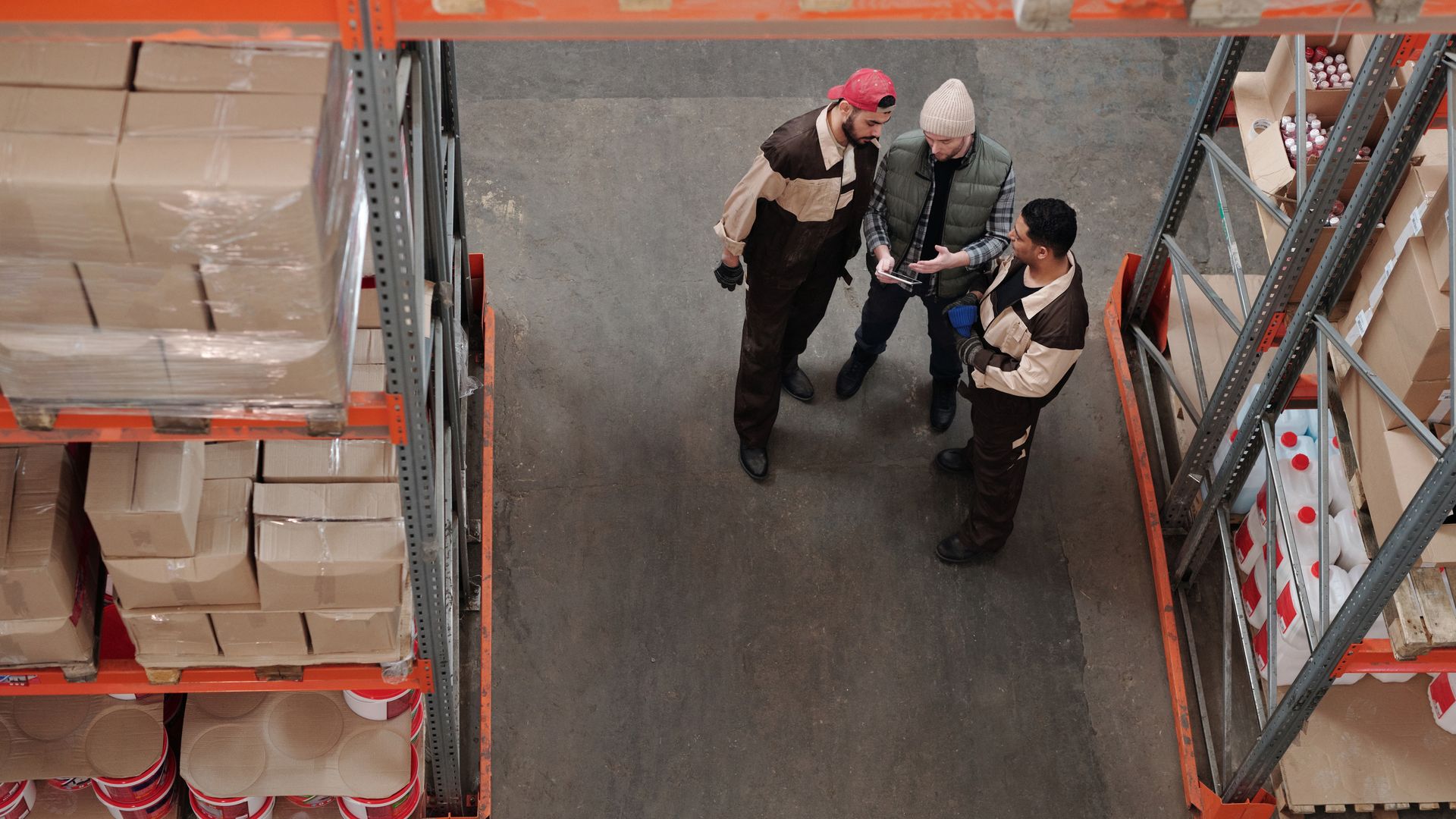
When does a 3PL win?
- You have proven sellers. Once a SKU sells consistently, the margin difference between POD and a stocked run is usually the difference between a hobby and a business.
- Delivery speed matters to your conversion rate. POD adds production time before the parcel even moves. Stocked inventory in a well-placed warehouse ships the same or next day — and, from a hub with broad two-day ground reach, arrives materially faster.
- Your brand experience matters. Custom cartons, tissue, inserts, gift notes, and kitted bundles are standard 3PL work and mostly unavailable in POD.
- You are selling into wholesale or retail. Retail routing, EDI, and compliance labeling are not POD functions.
- You have mixed products. Most brands eventually sell non-printable items — accessories, hardware, consumables — that POD cannot make at all.
How do you decide? Run the margin math per SKU
Take a single SKU and compare:
POD unit cost = base product + print + POD fulfillment + shipping.
Stocked unit cost = landed cost per unit (production + freight + duties) + storage per unit per month + pick and pack + shipping.
Then ask how many units you would have to sell before the stocked path pays back the production run. If the answer is a number you have already hit twice, stop testing and stock it. If you cannot forecast it within a factor of two, keep it on POD. For the landed-cost side of the equation, see our guide to calculating landed cost; for the fulfillment side, our 3PL pricing guide and pick and pack costs.
Can you run both at the same time?
Yes, and most maturing brands do. The common structure is a hybrid: stock your top sellers with a 3PL for margin and speed, keep the long tail on POD for optionality, and promote SKUs from POD to stocked as the data justifies it.
Two things make a hybrid work:
- Order routing that knows which SKU lives where. Your store or an order management layer needs to split orders by fulfillment source — which also means a customer buying one of each gets two parcels. Price and communicate accordingly.
- A clear promotion rule. Pick a threshold (for example, a SKU that has sold consistently for three months) and apply it, rather than deciding case by case.
Our guide to choosing the best ecommerce fulfillment model covers the broader set of options, including keeping fulfillment in house.
Frequently asked questions
Is print on demand cheaper than a 3PL?
Per order, POD usually costs more. It is cheaper in total when your volume is low or unpredictable, because you avoid production, freight, storage, and dead stock. The crossover point is specific to your SKU and your sell-through.
Does POD hurt delivery times?
Generally yes, because production happens after the order. If your competitors are shipping stocked inventory in two days, POD is a real disadvantage on high-consideration purchases and on gifting deadlines.
Can a 3PL store POD-style blank inventory and print on site?
Some can, and some brands hold blanks at a 3PL and use a local decorator. It is a middle path worth asking about if decoration is a core part of your product.
What if I outgrow POD mid-season?
Onboarding to a 3PL typically takes four to eight weeks including integration, SKU setup, and inbound receiving — so plan the switch ahead of your peak, not during it. See what happens after you sign with a 3PL.
The short version
Use print on demand to discover what sells. Use a 3PL to make money on what already does. The brands that get this wrong are usually the ones still paying POD margins on their top ten SKUs — or the ones who bought 5,000 units of a design nobody had tested.
Atomix stores, picks, packs, and ships proven SKUs for growing DTC brands from Milwaukee, Salt Lake City, and Baltimore, with no long-term contract required. Talk to our team about moving your best sellers off print on demand.

.svg)
.svg)
.svg)