Cold Storage Fulfillment: How Temperature-Controlled 3PL Works and What It Costs in 2026
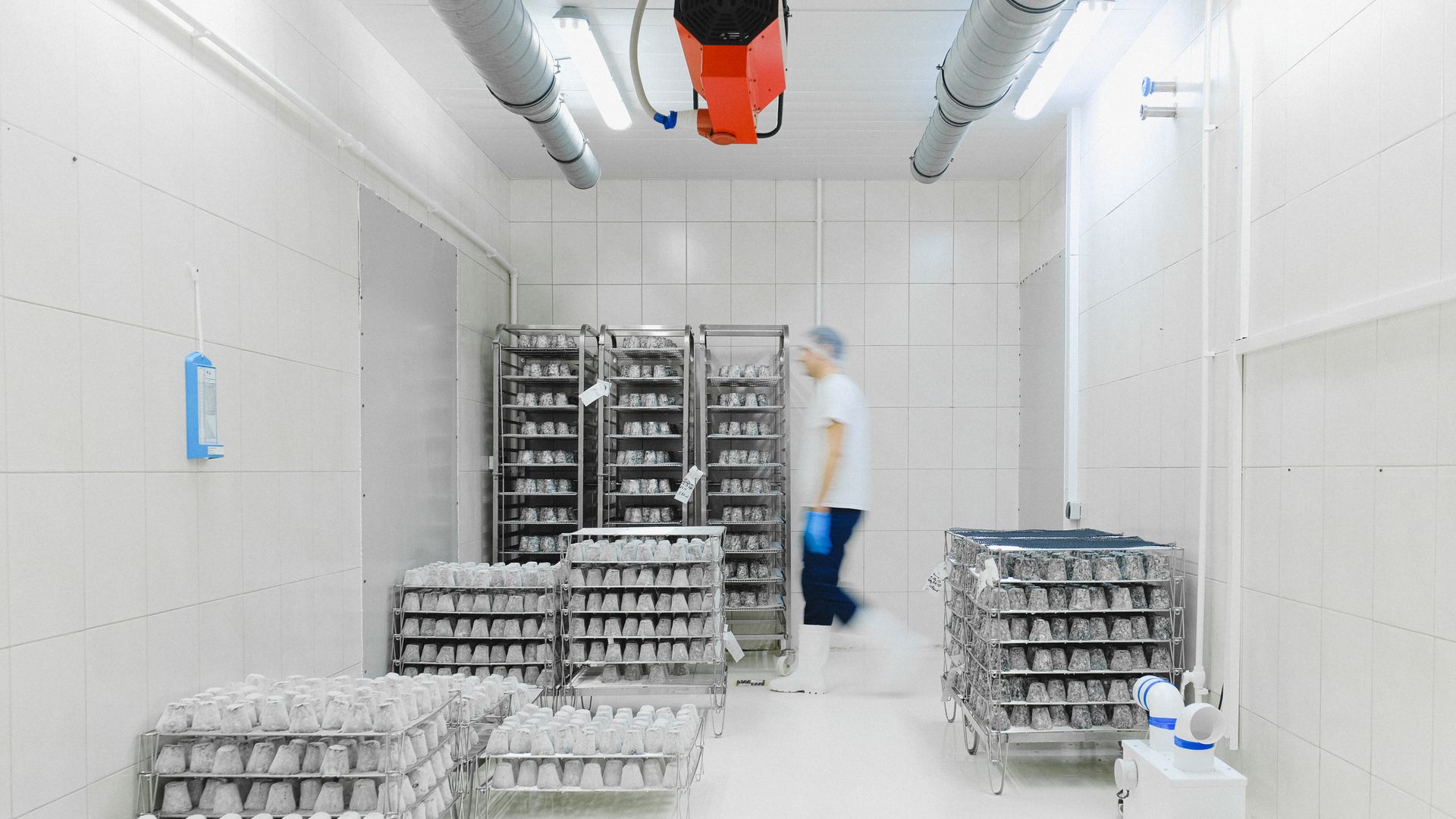
Cold storage fulfillment is order fulfillment where your inventory stays inside a controlled temperature range from the moment it hits the dock until it reaches the customer. In practice that means refrigerated or frozen storage zones, temperature-controlled pick areas, insulated packaging with coolants, and ship-day rules that keep product out of a hot truck over a weekend. Expect to pay roughly 25-40% more than ambient fulfillment, and expect the packaging and transit rules to matter more than the storage rate.
If you sell food, beverage, supplements, probiotics, skincare with active ingredients, or anything with a printed storage temperature on the label, this is the part of your operation most likely to quietly destroy product and margin at the same time.
What is cold storage fulfillment?
Cold storage fulfillment is the combination of four things working together:
- Temperature-controlled storage. Dedicated refrigerated or frozen zones, monitored continuously rather than spot-checked.
- A controlled pick path. Product does not sit on an ambient pick cart for two hours waiting for the rest of the order.
- Thermal packaging. Insulated liners or boxes plus gel packs or dry ice, sized to the transit time and the destination climate.
- Ship-day discipline. Orders are released so that perishables are not sitting in a carrier hub over a weekend.
Miss any one of the four and the other three stop mattering. A brand can pay for freezer space and still deliver melted product because orders shipped on a Friday afternoon.
What temperature ranges do 3PLs actually offer?
| Zone | Typical range | Common products |
|---|---|---|
| Ambient | Uncontrolled warehouse temperature | Shelf-stable dry goods, most cosmetics |
| Climate-controlled ambient | Roughly 60-75°F | Chocolate, gummies, waxes, some skincare |
| Refrigerated | Roughly 33-40°F | Fresh food, probiotics, some beverages |
| Frozen | 0°F and below | Frozen meals, meat, seafood, ice cream |
The most common mistake we see is brands assuming they need refrigeration when they actually need climate-controlled ambient. Gummy supplements and chocolate do not need 38°F. They need a warehouse that does not hit 95°F in August. That distinction is the difference between a modest cost increase and a large one.
Which brands need temperature-controlled fulfillment?
- Food and beverage. Anything with a cold-chain claim, and anything that separates, ferments, or spoils.
- Supplements and nutraceuticals. Probiotics and live-culture products in particular. Potency claims on the label are only true if storage held.
- Beauty and personal care with actives. Vitamin C serums, retinols, and peptide formulations degrade with heat exposure.
- Confection and anything with a melt point. Chocolate, gummies, balms, waxes, candles.
- Pet food and treats. Especially freeze-dried and raw formats.
If you are in one of these categories, our guides on protecting temperature-sensitive CPG products and temperature-controlled fulfillment in cold months cover the seasonal edge cases.
What does cold storage fulfillment cost in 2026?
Two cost layers matter: the underlying real estate and the per-pallet or per-order rate a 3PL charges you.
On the real estate side, national industrial asking rent sat around $10.32 per square foot annually in Q2 2026 per Cushman & Wakefield, and $10.45 per square foot per JLL's Q2 2026 industrial market data. Refrigerated space carries a meaningful premium on top of that, and 2026 cold storage cost benchmarks put the all-in premium at roughly 25-40% over comparable ambient space, driven largely by energy costs that run three to four times higher.
What that translates to on a 3PL invoice:
| Line item | Ambient (typical 2026 benchmark) | Temperature-controlled (typical 2026 benchmark) |
|---|---|---|
| Pallet storage, per month | ~$12-$22 | ~$25-$50+ |
| Receiving, per pallet | Baseline | Roughly 1.5-2x baseline |
| Pick and pack, per order | Baseline | Baseline plus thermal packaging |
| Packaging materials | Box, void fill | Box, insulated liner, coolant |
| Outbound shipping | Ground where possible | Faster service levels more often |
Note where the real money is. For most cold-chain DTC brands, thermal packaging and expedited shipping cost more than the storage premium does. If a quote only compares storage rates, it is not comparing the thing that will actually move your cost per order. Our breakdown of what a 3PL costs in 2026, line by line shows how these pieces stack.
Why is cold storage so much more expensive than ambient?
- Energy. Refrigeration runs continuously. Industry estimates put cold storage energy use at three to four times a comparable ambient building.
- Construction and equipment. Insulated panels, industrial refrigeration, backup power, and sealed dock doors.
- Monitoring and documentation. Continuous temperature logging, alarms, and records you can hand to a retailer or a regulator.
- Labor. Pickers in a freezer work in rotations. Throughput per labor hour is lower by design.
- Scarcity. There is simply less cold space than ambient space in most markets, so pricing is less competitive.
What actually goes wrong in cold chain ecommerce?
From the operator side, the failures cluster in a short list:
- Weekend transit. An order that ships Friday with 48 hours of coolant and lands Monday is a claim waiting to happen. Cold-chain brands need ship-day cutoffs, not just order cutoffs.
- Coolant sized for the average, not the destination. The same pack-out cannot serve Seattle in March and Phoenix in July.
- Ambient staging during receiving. Inventory that sits on a dock for four hours before it gets put away has already had its excursion.
- No temperature record. Without logs, you cannot tell whether a customer complaint is a real quality issue or a handling issue on their porch.
- Mixed-temperature orders. A customer buys a frozen item and a shelf-stable item. Someone has to decide whether that is one box or two, and the answer changes the economics.
How should you vet a cold storage 3PL?
Ask for specifics, not capabilities. The useful questions:
- What temperature zones do you operate, and what is the square footage of each?
- How is temperature monitored and logged, and can I get the records for my inventory?
- What happens on a power failure? Is there generator backup on the refrigerated zones?
- What is dock-to-stock time for temperature-controlled receipts specifically?
- What is your ship-day policy for perishables, and who owns a melt claim?
- What thermal packaging do you stock, and do you validate pack-outs by transit zone and season?
- Do you handle lot codes and expiration dates at receiving? (For food and supplements, this is non-negotiable.)
Our full 3PL vetting checklist covers the commercial side, and what to expect from a modern 3PL covers onboarding.
How Atomix handles temperature-controlled fulfillment
Atomix's Milwaukee headquarters is a 200,000 square foot facility with both temperature-controlled and ambient space, and cold storage is available as a standard service across the network alongside DTC, B2B and wholesale, FBA prep, kitting, and returns handling. Two operating details matter for cold-chain brands specifically: orders received by noon ship the same day, which shortens the window product spends in transit, and every order is double-scanned and video recorded, so a quality dispute has evidence attached to it. Dock-to-stock averages 48 hours or less on compliant inbound shipments, which limits ambient exposure at receiving.
Atomix also fulfills from Salt Lake City and Baltimore, which matters more than it sounds for perishables: a shorter transit leg is the cheapest cold chain improvement available. See the East Coast node breakdown and the Salt Lake City guide for how multi-node networks cut transit days.
Frequently asked questions
What is the difference between cold storage and climate-controlled fulfillment?
Cold storage means refrigerated (roughly 33-40°F) or frozen (0°F and below) zones. Climate-controlled means the warehouse holds a moderate ambient band, often around 60-75°F, to protect products with a melt point or heat-sensitive actives. Many brands that ask for cold storage actually need climate-controlled ambient, which costs considerably less.
How much more does cold storage fulfillment cost?
Plan on roughly a 25-40% premium over comparable ambient fulfillment on the storage side, with 2026 benchmarks putting temperature-controlled pallet storage around $25-$50+ per pallet per month versus roughly $12-$22 ambient. For DTC brands, thermal packaging and faster shipping services often add more than the storage premium does.
Can a 3PL ship frozen products direct to consumers?
Yes, with the right pack-out. Frozen DTC typically requires an insulated shipper, dry ice or high-capacity gel packs sized to the transit time, an expedited service level, and ship-day rules that avoid weekend dwell. Ask any prospective 3PL to show you a validated pack-out for your worst-case lane and season.
Do I need cold storage for supplements?
It depends on the formulation. Probiotics and live-culture products usually do. Standard capsules and powders often need only climate-controlled ambient to stay within label conditions. Check your stability data and your label storage statement before paying for refrigeration you do not need.
Who pays when a perishable order arrives warm?
That should be written into your agreement before you launch, not negotiated after the first claim. Clarify who owns the pack-out specification, who owns the ship-day decision, and what evidence (temperature logs, pack photos, carrier scans) will be used to resolve a claim.
Shipping something that cannot get warm? Talk to Atomix about temperature-controlled fulfillment and we will model the pack-out and transit costs against your actual order destinations.

.svg)
.svg)
.svg)