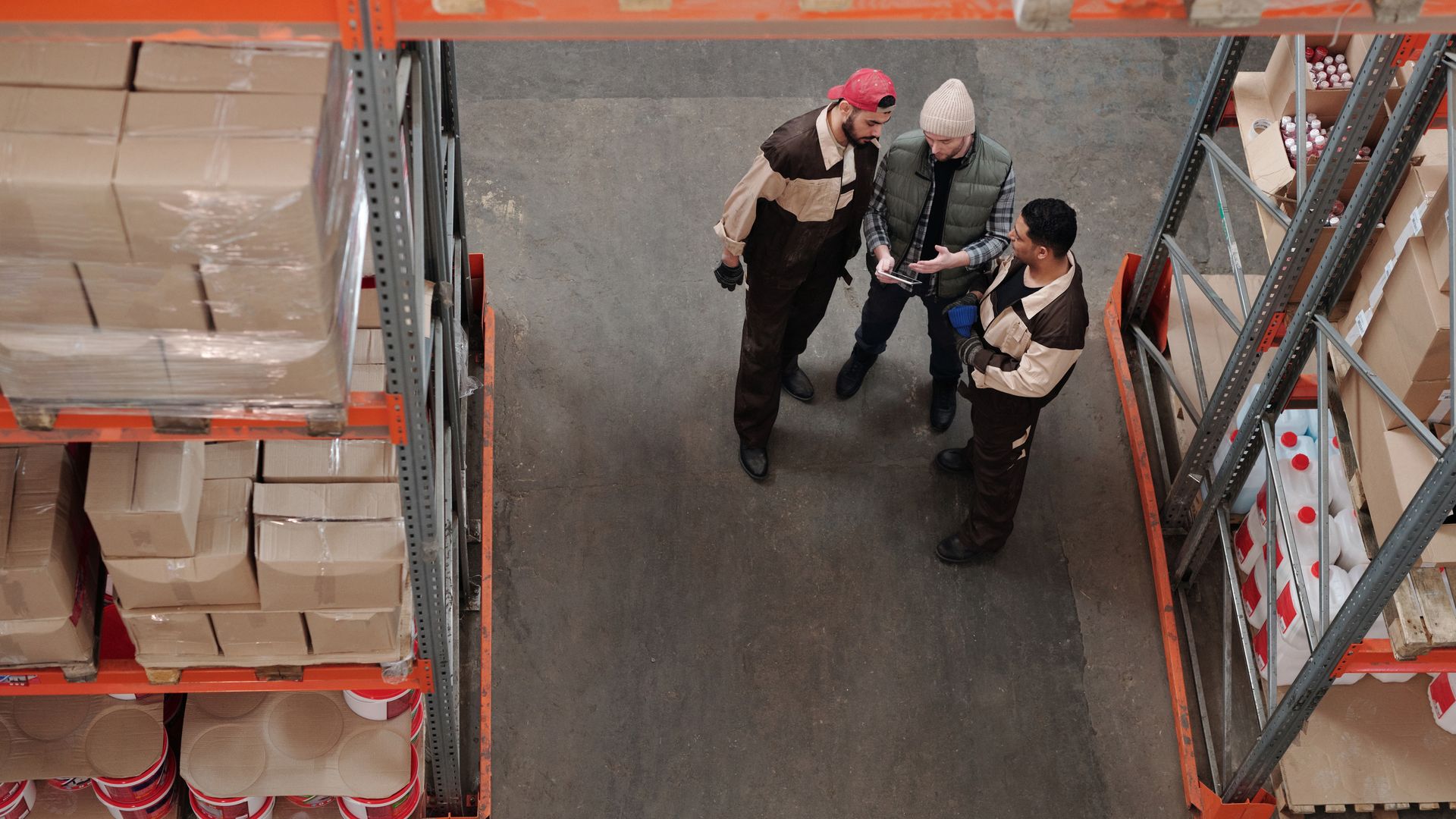
How Ecommerce Brands Choose the Right 3PL Partner

Choosing a third-party logistics (3PL) provider can feel overwhelming, especially if you have never outsourced fulfillment before. A three party logistics provider, commonly shortened to 3PL, is a company that stores your inventory and ships orders to your customers on your behalf.
This decision affects your shipping costs, customer experience, and ability to grow. The goal of this guide is simple. Explain how ecommerce brands choose the right 3PL partner in clear terms, without jargon or sales language.
What a 3PL Actually Does for an Ecommerce Brand
A 3PL handles the physical side of order fulfillment. This usually includes storing inventory, picking and packing orders, shipping packages, and processing returns.
Order fulfillment means everything that happens after a customer clicks buy. That includes pulling the correct item from storage, packing it safely, and handing it off to a carrier like UPS or FedEx.
Many 3PLs also provide order fulfillment software. This is the system that connects your online store to the warehouse so orders flow automatically without manual work.
Why Choosing the Right 3PL Matters
The wrong partner can create late shipments, inventory errors, and unexpected fees. The right partner should reduce day to day operational stress and help your business run more smoothly.
Most ecommerce brands choose a 3PL when they reach one or more of these points.
- They are shipping more orders than they can handle in house.
- Shipping costs are rising and delivery times are slowing.
- They want to focus on marketing and product instead of packing boxes.
A good 3PL does not magically fix everything. It does give you structure, systems, and capacity that are hard to build on your own.
Step One. Define What You Actually Need
Before comparing providers, get clear on your own operation.
Ask yourself these questions.
- How many orders do you ship per month on average.
- How many products do you sell and how large are they.
- Do you ship mostly single item orders or multi-item bundles.
- Do you ship direct to consumer, business to business, or both.
This matters because not every warehouse for an ecommerce brand is set up the same way. Some are optimized for small parcels. Others handle pallets and wholesale orders better.
If a provider cannot support your order profile, the partnership will struggle no matter how good their sales pitch sounds.
Step Two. Evaluate Warehouse Location and Shipping Coverage
Warehouse location directly affects ecommerce shipping speed and cost.
When inventory is closer to customers, packages arrive faster and cost less to ship. This is especially important for brands that promise two or three-day delivery.
Ask where the warehouse is located and which regions it can reach within one to three days using ground shipping. Ground shipping is the most affordable option for most ecommerce brands.
If most of your customers are on the East Coast and inventory is stored on the West Coast, shipping will be slower and more expensive.
Step Three. Understand Their Fulfillment Process
Do not assume all 3PL fulfillment works the same way. Ask them to walk you through their process step by step.
Key questions to ask.
- How do you receive and check in inventory.
- How do you pick and pack orders.
- How do you handle damaged items or inventory discrepancies.
- How do returns get processed and restocked.
A clear and repeatable process reduces errors. If the provider struggles to explain how orders move through the warehouse, that is a red flag.
Step Four. Review Technology and Order Visibility
Order fulfillment software is the backbone of a modern 3PL.
This software connects your ecommerce platform to the warehouse so orders, tracking numbers, and inventory levels stay in sync.
Ask to see the dashboard. Look for basics like.
- Real time inventory counts.
- Order status updates.
- Tracking information.
- Simple reporting you can understand.
You do not need advanced features if you cannot interpret the data. Clarity and accuracy matter more than complexity.
Step Five. Look Closely at Pricing Structure
Pricing is where many ecommerce brands get surprised.
Most 3PL pricing includes several components:
- Receiving fees for checking in inventory.
- Storage fees for holding products in the warehouse.
- Pick and pack fees for fulfilling orders.
- Shipping costs charged by carriers.
Ask for a sample invoice and walk through it line by line. Make sure you understand what is included and what triggers extra charges.
A low advertised rate does not always mean lower total cost. Transparency matters more than the cheapest number on paper.
Step Six. Assess Communication and Support
Fulfillment services involve daily activity. When issues come up, response time matters.
- Ask who your point of contact will be. Ask how support works when something goes wrong.
- You want a partner that explains problems clearly and fixes them quickly. Silence or vague answers create stress and delays.
This is especially important during peak seasons when order volume spikes and small issues can grow fast.
Step Seven. Make Sure They Can Scale With You
Growth changes everything.
Inventory management becomes more complex as product lines expand. Order volume increases stress on systems and labor.
- Ask how the provider handles growth. Do they support additional storage space. Can they handle seasonal spikes. Do they work with brands at your current size and the size you plan to reach.
Choosing a partner that only fits today can force another transition later, which is disruptive and expensive.
Common Mistakes Ecommerce Brands Make When Choosing a 3PL
Many brands rush the decision. Here are mistakes worth avoiding.
- Choosing based on price alone.
- Skipping process walkthroughs.
- Not asking about returns handling.
- Ignoring warehouse location.
A 3PL relationship is operational, not just contractual. Fit matters.
How to Decide If a 3PL Is the Right Fit
At the end of the evaluation, ask one simple question.
- Does this partner make fulfillment easier to manage, or harder to understand.
The right partner should reduce confusion, improve consistency, and give you confidence in your shipping operation.
Working With Atomix Logistics
Atomix Logistics works with ecommerce brands that want clear processes, transparent pricing, and fulfillment that supports growth without unnecessary complexity.
If you are evaluating partners and want to understand how your operation would work inside a real warehouse environment, a conversation can clarify a lot.
Choosing the right 3PL partner starts with asking the right questions. The goal is not perfection. It is finding a partner that fits how your business actually operates.
Frequently Asked Questions About Choosing a 3PL Partner
How do I know when my ecommerce brand is ready for a 3PL?
Most brands consider a 3PL when order volume becomes hard to manage in house, shipping errors increase, or fulfillment starts pulling time away from growth focused work like marketing and product development. There is no exact order count, but consistent volume and repeat orders are common signals.
What should I ask a 3PL before signing a contract?
Ask how they handle receiving inventory, order fulfillment, returns, and customer support. Request a clear breakdown of pricing and ask to see their order fulfillment software. You should understand how orders move through the warehouse and who you contact when issues come up.
How does a 3PL integrate with my ecommerce store?
Most 3PLs connect directly to your ecommerce platform through order fulfillment software. This allows orders, inventory levels, and tracking information to sync automatically. Ask which platforms they support and how long setup typically takes.
Will a 3PL help reduce shipping costs?
A 3PL can help control shipping costs by placing inventory closer to customers and using negotiated carrier rates. Savings depend on your order volume, package size, and customer locations. It is important to review total landed costs, not just per order fees.
Can a 3PL support both direct to consumer and wholesale orders?
Many 3PLs support both ecommerce fulfillment and business to business shipping, but not all are equally strong at both. Ask how they handle large wholesale orders, pallet shipments, and special labeling requirements to ensure they match your sales channels.

.svg)
.svg)
.svg)