What to Expect From a Modern 3PL: Onboarding, Pricing, and Day-to-Day Operations Explained
Working with a modern 3PL should feel like adding an operations team, not hiring a vendor. In practice that means a structured onboarding measured in weeks, itemized pricing you can audit, live inventory visibility, and a named human who answers questions the same day. If you know what good looks like before you sign, you can tell the difference between a real partner and a warehouse with a sales deck.
What does a 3PL actually take off your plate?
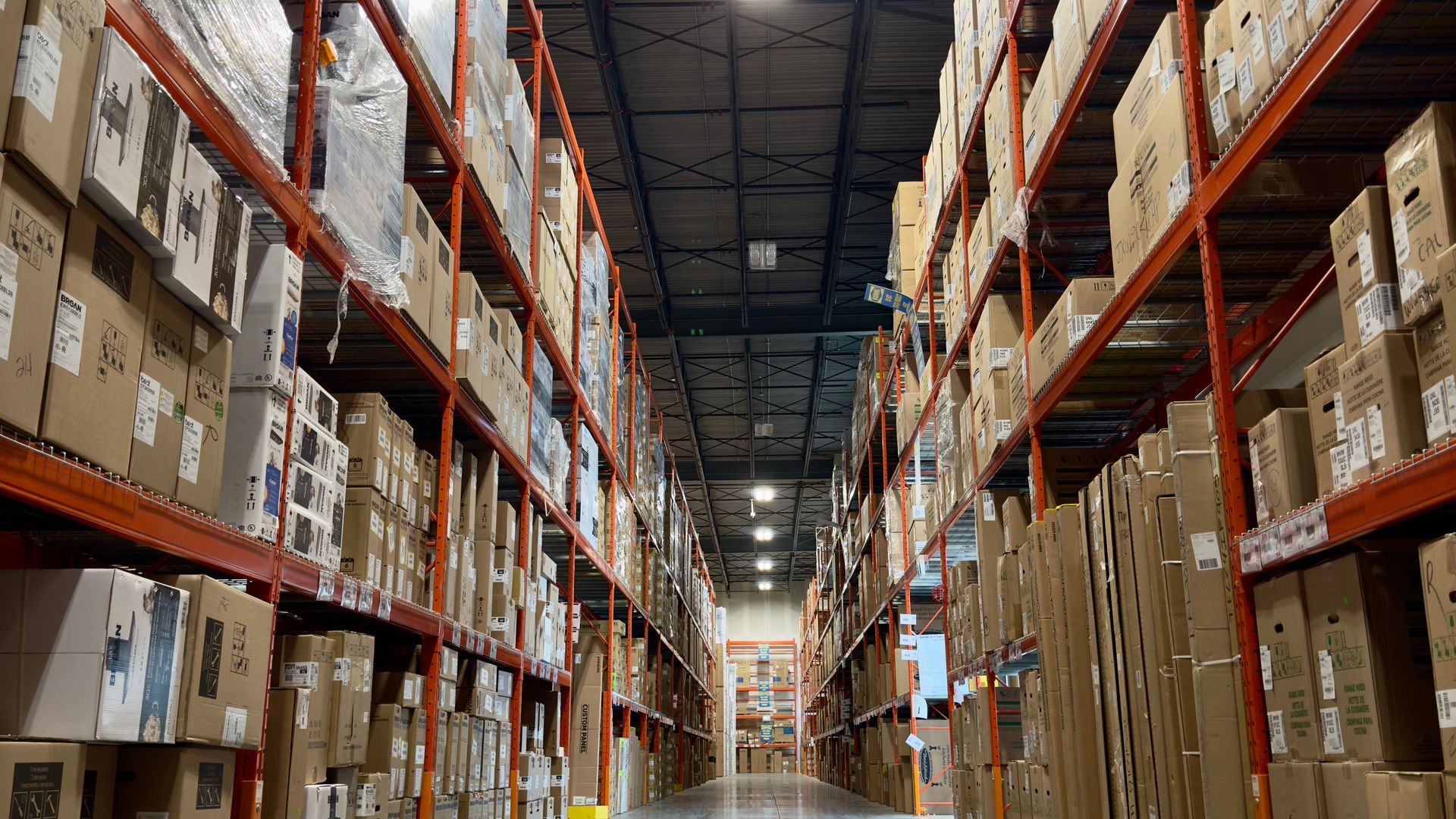
A third-party logistics provider receives your inventory, stores it, picks and packs orders from your sales channels, ships them, and processes returns. Modern providers layer software on top: store integrations, real-time stock counts, and order tracking your customers can trust. What stays with you: product, marketing, forecasting, and the decisions about how your brand shows up in the box. Still deciding whether it's time? Start with when ecommerce brands should outsource fulfillment to a 3PL.
What should onboarding look like?
A competent onboarding follows a predictable arc: integration setup (connecting your store and mapping SKUs), an inbound plan for your first inventory shipment, receiving and putaway with counts confirmed against your ASN, test orders to validate packaging and shipping settings, and then go-live with early orders watched closely. Expect a named onboarding lead, a shared checklist, and dates. Vague timelines at the start are how brands end up dark for weeks mid-transition.
How does 3PL pricing actually work?
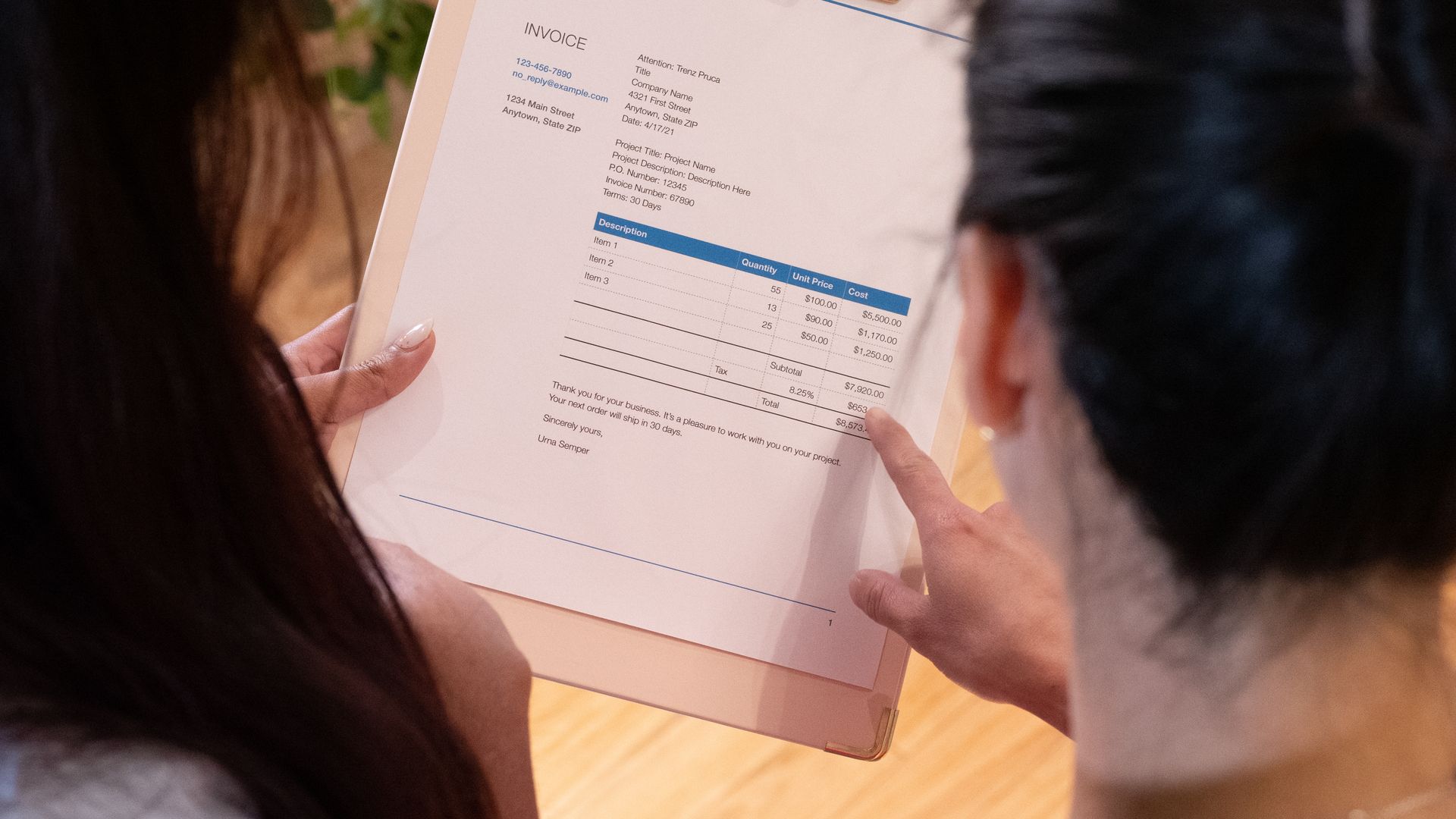
Nearly every 3PL bills across the same categories: receiving (per pallet, carton, or hour), storage (per pallet, shelf, or bin per month), pick and pack (per order plus per additional item), packaging materials, shipping (the largest line, usually passed through at negotiated rates), and value-added services like kitting or returns processing. The structure is standard; the transparency isn't. Ask for a sample invoice and check that every line ties to visible activity. Software should be part of the deal, not a surprise line item — here's what a real 3PL platform includes.
What should day-to-day communication feel like?
You should have a named account contact who knows your brand, same-day answers on order-level questions, proactive flags when something goes wrong (short receipts, address errors, carrier delays), and a regular cadence — weekly or biweekly — for reviewing performance. The test of a 3PL is not whether mistakes happen; it's how fast you find out and how clearly they're fixed.
What are the red flags?
- No live portal — inventory counts arrive by emailed spreadsheet.
- Quotes that skip categories (no storage rate, vague receiving terms) and grow after signing.
- Long-term contracts with steep minimums pitched to brands still finding product-market fit.
- No named contact — every question goes to a general support queue.
- They can't explain a recent failure and what changed afterward. Every warehouse has failures; good ones have answers.
How Atomix Logistics approaches fulfillment
Atomix was founded in 2020 and operates from the Milwaukee area, fulfilling DTC, B2B, and marketplace orders for high-growth brands. Its Micro-Pod model assigns each brand a dedicated pod and consistent team — the people packing your orders today are the same people packing them next month — with kitting, custom packaging, and same-day pick, pack, and ship handled in-house. That model has helped Atomix rank among the fastest-growing private companies on the Inc. 5000, including the top spot among Wisconsin companies. For the full picture of how outsourced fulfillment works end to end, read our complete guide to ecommerce fulfillment.
FAQ
How long does switching to a 3PL take?
For a standard DTC brand, expect a few weeks from signed agreement to first live orders — integration and inbound freight are usually the pacing items. Complex catalogs, B2B routing guides, or peak-season timing extend that.
Do I lose control of my customer experience?
You shouldn't. You define packaging, inserts, and shipping service levels; the 3PL executes them. Ask to approve a packed test order before go-live.
What volume do I need before a 3PL makes sense?
There's no universal threshold — the trigger is usually when founders' time, storage space, or shipping rates become the constraint. Some 3PLs, including Atomix, work with early-stage brands; see our guide to the best 3PLs for small and startup brands.
What questions should I ask before signing?
Ask for a sample invoice, a live portal demo, a reference client at your volume, their peak-season performance last Q4, and the exit terms. The answers tell you more than any sales deck.

.svg)
.svg)
.svg)