Cross-Docking Explained: How It Speeds Up Ecommerce Fulfillment
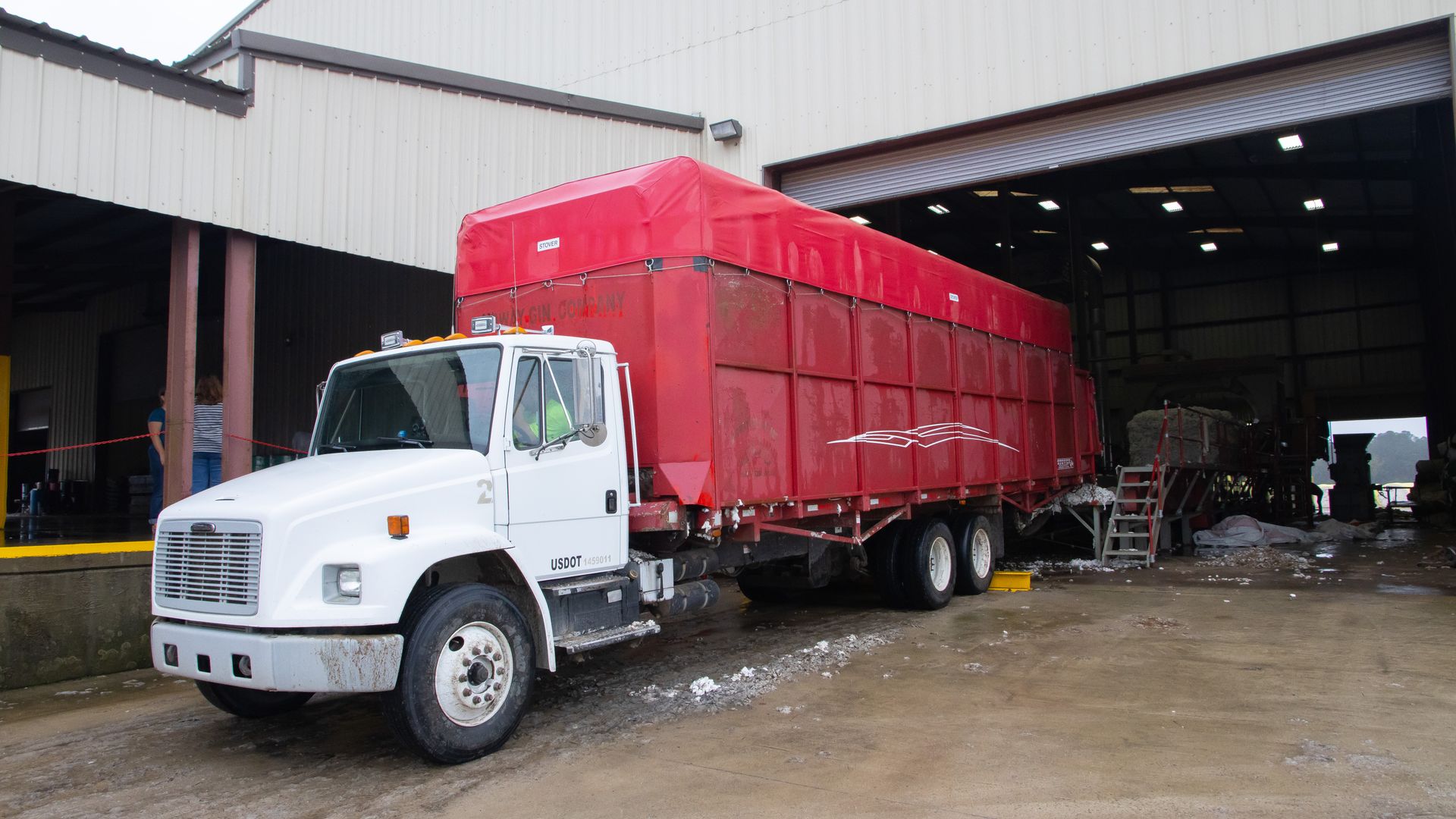
Cross-docking is a fulfillment process where inbound products move directly from the receiving dock to the outbound shipping dock with little or no long-term storage in between. Instead of putting stock away into shelves and picking it days later, your 3PL sorts freight as it arrives and stages it for immediate outbound shipping—often the same day. For ecommerce brands, that translates to lower storage fees and faster delivery.
What is cross-docking?
In a traditional warehouse, goods are received, put away, stored, then picked and packed when an order comes in. Cross-docking removes the storage step. Product is unloaded, sorted by destination, and reloaded onto outbound vehicles. The dock becomes a sorting hub rather than a storage location.
How does cross-docking work?
- Receiving: Inbound shipments arrive from suppliers or manufacturers.
- Sorting: Products are scanned and grouped by outbound destination or order.
- Staging: Sorted goods move across the dock to outbound lanes.
- Shipping: Product is loaded onto outbound trucks or handed to parcel carriers, often within hours.
When should an ecommerce brand use cross-docking?
Cross-docking works best when you have predictable demand and fast-moving SKUs. Common use cases include:
- High-velocity products that sell through quickly and don't need to sit in storage.
- Pre-sold or pre-allocated inventory heading straight to known orders.
- Retail or wholesale replenishment where cases move from supplier to store.
- Reducing touchpoints on bulky items where storage and re-handling are expensive.
When cross-docking is a poor fit
Slow-moving SKUs, unpredictable demand, and products that require inspection, kitting, or value-added work usually belong in standard storage. Cross-docking depends on tight coordination; if inbound timing is unreliable, you'll create bottlenecks.
Cross-docking vs traditional warehousing
Traditional warehousing gives you a buffer of on-hand inventory to absorb demand spikes and supplier delays, at the cost of storage fees and handling. Cross-docking minimizes storage and speeds throughput, but leaves less margin for error. Most growing brands use a hybrid: cross-dock the fast movers, store the rest. A good 3PL partner will help you decide SKU by SKU. Learn more about the services a 3PL provides in our guide to 3PL warehousing and fulfillment.
Benefits and trade-offs
Benefits include lower storage costs, faster delivery, fewer handling touches, and reduced risk of overstock. Trade-offs include the need for reliable inbound scheduling, accurate forecasting, and technology to sort and route freight in real time. Pairing cross-docking with tactics like zone skipping can compound the speed and cost gains.
Frequently asked questions
Is cross-docking the same as drop shipping?
No. In drop shipping the supplier ships directly to the customer and you never touch the product. In cross-docking, product physically passes through your 3PL's facility but skips storage.
Does cross-docking reduce shipping costs?
It mainly reduces storage and handling costs. It can lower shipping costs indirectly by consolidating outbound freight and shortening transit distance.
What technology does cross-docking require?
Barcode scanning, a warehouse management system, and real-time inbound visibility are essential so freight can be sorted and routed without sitting idle.
Key takeaway
Cross-docking is a powerful lever for fast-moving ecommerce brands that want to cut storage costs and speed up delivery, provided demand is predictable and inbound timing is tight. If you're evaluating whether it fits your catalog, talk to a fulfillment partner who can model it SKU by SKU. See how the right setup improves throughput in our guide to warehouse productivity.

.svg)
.svg)
.svg)