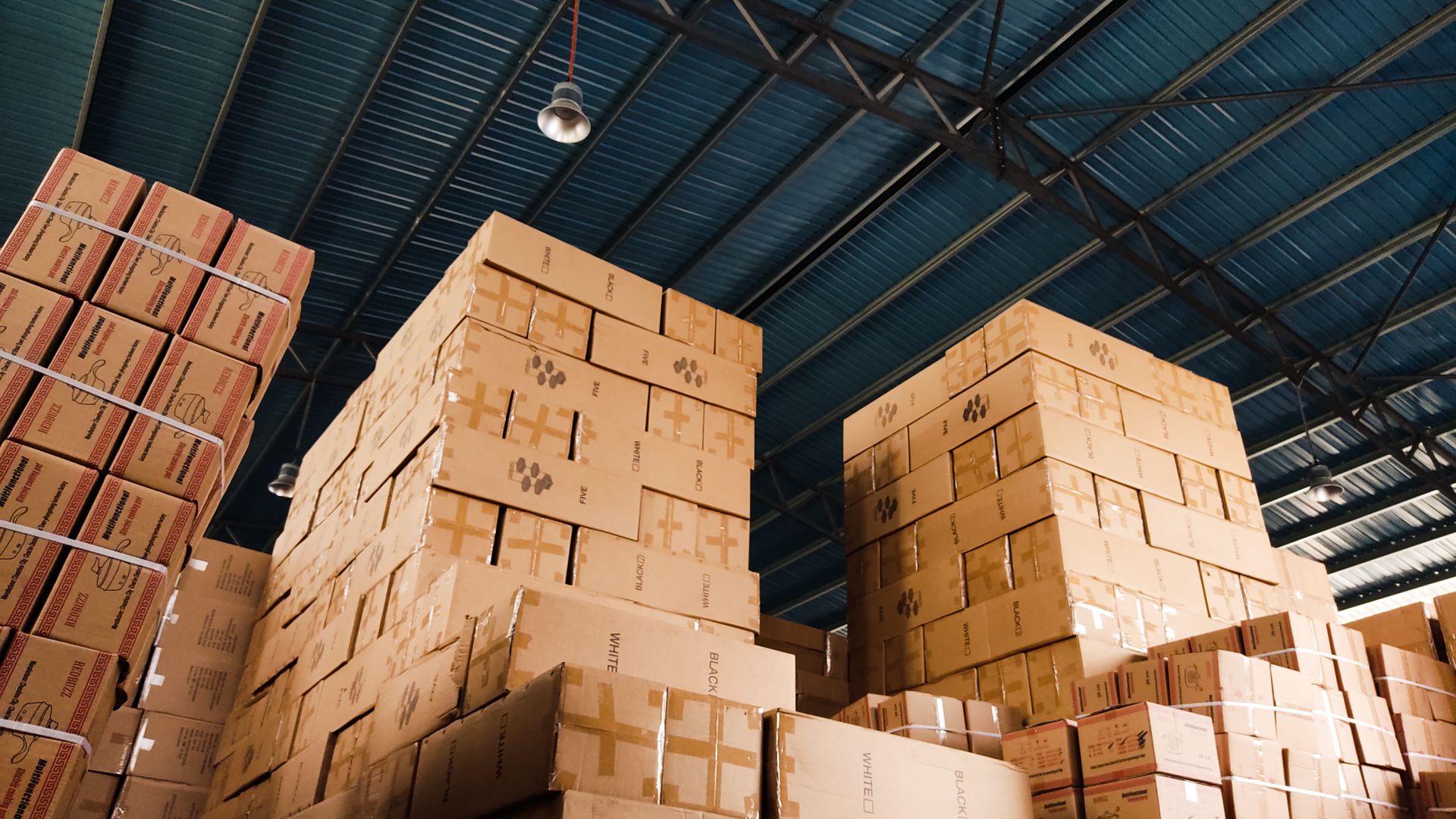
3PL Services Explained: Warehousing, Fulfillment, and Logistics Operations

3PL services are the outsourced logistics functions—warehousing, inventory management, pick-and-pack order fulfillment, shipping, and returns—that a third-party logistics provider runs on behalf of a business. Instead of leasing warehouses and hiring fulfillment staff, brands send inventory to a 3PL, which stores products and ships orders directly to customers.
Demand for these services keeps climbing: the global third-party logistics market is estimated at about $1.36 trillion in 2026, growing roughly 9.1% annually through 2033 (Grand View Research). This guide explains what 3PL services include, how warehousing and fulfillment work in practice, what they cost in 2026, and how to choose the right provider.
What Are 3PL Services?
3PL services refer to the operational logistics functions that third-party logistics providers manage on behalf of businesses. These services typically include warehousing, inventory management, order fulfillment, transportation coordination, and returns processing.
Instead of operating warehouses, hiring fulfillment teams, and managing shipping internally, companies rely on 3PL providers to deliver these services using established facilities, systems, and logistics expertise.
For a full explanation of what a 3PL is and how it works specifically for ecommerce brands, see our guide on 3PLs for ecommerce fulfillment.
What Services Do 3PL Companies Provide?
Warehousing Services
3PL warehousing services focus on the secure and efficient storage of inventory. Providers operate strategically located warehouses designed to support fast order processing and scalable storage.
Key warehousing services include:
- Inventory receiving and inspection
- Organized storage and space optimization
- Real-time inventory tracking
- Demand planning and stock visibility
Warehousing through a 3PL allows businesses to adjust storage capacity as demand changes without long-term facility commitments.
Order Fulfillment Services
Order fulfillment is one of the most common reasons businesses partner with a 3PL. Fulfillment services cover the entire process from order receipt to delivery.
Typical fulfillment services include:
- Picking and packing customer orders
- Labeling and shipment preparation
- Direct-to-consumer (DTC) and B2B fulfillment
- Specialized workflows such as subscription boxes or crowdfunding fulfillment
These processes are optimized to improve speed, accuracy, and consistency.
Transportation and Shipping Management
3PLs manage outbound and inbound transportation by coordinating with shipping carriers and freight providers. This service helps businesses reduce shipping costs and improve delivery performance—many providers, including Atomix, offer 2-day shipping coverage and international delivery.
Transportation services often include:
- Carrier selection and rate optimization
- Freight forwarding and coordination
- Shipment tracking and reporting
By consolidating shipping volume, 3PLs can often secure better rates than individual businesses.
Returns and Reverse Logistics
Reverse logistics is an increasingly important part of fulfillment operations. 3PLs manage returned products by inspecting, restocking, or routing items according to return policies.
Returns services help businesses:
- Maintain accurate inventory records
- Improve customer experience
- Reduce operational strain on internal teams
Technology and Software Integration
Modern 3PL services rely heavily on technology. Providers use warehouse management systems (WMS) and fulfillment software such as the Atomix App to automate workflows and provide real-time visibility.
Technology services typically include:
- Inventory and order tracking dashboards
- Integration with ecommerce platforms and ERPs
- Automated reporting and analytics
This technology layer is essential for scaling logistics operations efficiently.
How Much Do 3PL Services Cost in 2026?
Most DTC brands pay an all-in fulfillment cost of $3.50–$8.00 per standard order in 2026, excluding postage. Per Fulfill.com's 2026 pricing benchmarks, typical line items are:
- Pick and pack: $2–$3 per B2C order (survey average $3.20; B2B orders average about $4.80)
- Storage: $18–$25 per pallet per month
- Receiving: $5–$15 per pallet
- Setup fees: $250–$1,000, charged by roughly half of providers
- Monthly minimums: about $517 on average
For multi-item orders, Eightx's 2026 analysis found pick and pack averages $2.75 for the first item plus $0.50 for each additional item.
For a deeper breakdown, see our 3PL pricing guide and how much a 3PL costs in 2026, or get a custom fulfillment quote.
What Is Ecommerce Third Party Fulfillment?
Ecommerce third party fulfillment is the outsourcing of online order storage, picking, packing, and shipping to a 3PL that integrates directly with your store. When a customer places an order on Shopify, Amazon, or TikTok Shop, the order routes automatically to the 3PL's warehouse, ships the same or next day, and tracking flows back to the customer.
For DTC brands, this model replaces self-fulfillment with a variable cost structure: you pay per order shipped rather than carrying rent, labor, and equipment overhead. Learn more in our guide to how a 3PL works for ecommerce brands.
How Do Warehousing and Fulfillment Services Work Together?
Warehousing fulfillment services combine storage and order execution in one operation: inventory is received and stored, then picked, packed, and shipped from the same facility as orders arrive. This pairing eliminates transfer time between storage and shipping and gives one system full visibility from receiving to delivery.
Benefits of 3PL Warehousing Services
- Cost Efficiency: No need to invest in owned warehouse space or equipment
- Strategic Locations: Warehouses positioned near major shipping zones
- Scalability: Storage expands or contracts with business demand
Benefits of 3PL Fulfillment Services
- Operational Speed: Streamlined pick, pack, and ship workflows
- Accuracy: Systems and processes reduce fulfillment errors
- Adaptability: Support for seasonal spikes and promotional surges
Some providers, such as Atomix Logistics, use pod-based fulfillment models to improve accuracy and flexibility within shared warehouse environments.
How Do You Choose a 3PL Services Provider?
Selecting a 3PL is less about definitions and more about operational fit. Businesses should evaluate providers based on service depth, infrastructure, and alignment with logistics needs.
Key Factors to Evaluate
- Industry Experience: Familiarity with your fulfillment model
- Warehouse Coverage: Proximity to customers and shipping lanes
- Technology Capabilities: Inventory visibility and system integrations
- Pricing Structure: Clear storage, fulfillment, and shipping costs
- Scalability: Ability to grow with your business
- Onboarding Process: A structured plan for integrations and first receiving—see our 3PL onboarding guide
What Is the Difference Between 3PL and 4PL Services?
While both support supply chains, their roles differ:
- 3PL services focus on execution—warehousing, fulfillment, and shipping
- 4PL services focus on strategy—managing multiple logistics providers
Businesses that need hands-on operational support typically choose 3PL services, while complex global supply chains may benefit from a 4PL model.
Who Uses 3PL Services?
3PL services support a wide range of business models, including:
- Ecommerce and DTC brands
- B2B distributors
- Retailers managing multi-channel fulfillment
- Startups and crowdfunding campaigns
Any business that needs flexible warehousing and fulfillment without building logistics infrastructure can benefit from 3PL services.
What Trends Are Shaping 3PL Services in 2026?
The 3PL industry continues to evolve in response to technology and customer expectations. Key trends include:
- Automation and robotics in warehouses
- Increased focus on sustainability
- Data-driven inventory optimization
- Customizable fulfillment and storage models
These trends—alongside the market's projected ~9.1% annual growth through 2033 (Grand View Research)—are shaping how warehousing and fulfillment services are delivered.
Key Takeaways About 3PL Services
- 3PL services cover warehousing, fulfillment, shipping, and returns
- Typical all-in fulfillment costs run $3.50–$8.00 per standard DTC order in 2026, before postage
- Businesses use 3PLs to reduce operational overhead and improve efficiency
- Warehousing and fulfillment services scale with demand
- Technology integration is central to modern 3PL operations
- The right 3PL services provider supports growth without infrastructure investment
Get Started With Atomix Logistics for Scalable Ecommerce 3PL Fulfillment
Partner with Atomix Logistics to simplify order fulfillment, lower shipping costs, and deliver a faster, more reliable experience for your customers. Our ecommerce-focused fulfillment services are built to scale with your brand, without the operational burden of managing warehousing and shipping in-house.
Frequently Asked Questions About 3PL Services
What services do 3PL companies provide?
3PL companies provide warehousing, inventory management, order fulfillment (pick and pack), shipping and carrier management, returns processing, and logistics technology integration.
How much do 3PL services cost in 2026?
Most brands pay $2–$3 per order for pick and pack, $18–$25 per pallet per month for storage, and $5–$15 per pallet for receiving, with typical all-in fulfillment costs of $3.50–$8.00 per standard DTC order before postage.
What is ecommerce third party fulfillment?
Ecommerce third party fulfillment is the outsourcing of online order storage, picking, packing, and shipping to a 3PL that integrates directly with your store and ships orders to customers on your behalf.
How do 3PL services help with warehousing and fulfillment?
They provide scalable storage, efficient order processing, and systems that improve accuracy and visibility without requiring businesses to operate their own warehouses.
Who benefits most from 3PL services?
Ecommerce brands, B2B distributors, retailers, and fast-growing businesses benefit most from outsourcing warehousing and fulfillment to a 3PL.
How do I evaluate a 3PL services provider?
Evaluate experience, warehouse locations, technology, pricing transparency, and the provider’s ability to scale with your operation.
What is the difference between 3PL and 4PL services?
3PL services execute logistics operations such as warehousing, fulfillment, and shipping, while 4PL services manage strategy and coordinate multiple logistics providers on a company’s behalf.
Do 3PL providers handle returns?
Yes. Most 3PLs receive, inspect, and restock returned items according to your return policy, keeping inventory records accurate and reducing internal workload.
How big is the 3PL market?
The global third-party logistics market is estimated at roughly $1.36 trillion in 2026 and is projected to grow at about a 9.1% annual rate through 2033, according to Grand View Research.
Do 3PLs integrate with Shopify and other ecommerce platforms?
Yes. Modern 3PLs connect directly with platforms like Shopify, Amazon, and TikTok Shop, so orders flow automatically to the warehouse and tracking updates flow back to customers.
How long does it take to onboard with a 3PL?
Most brands complete 3PL onboarding in two to four weeks, covering integrations, inventory receiving, and workflow setup before the first live orders ship.

.svg)
.svg)
.svg)