Food-Grade Warehousing: What FDA-Registered Storage Means for Food and Beverage Brands
A food-grade warehouse is a facility built, operated, and documented to store food safely for human or animal consumption. In practice that means three things: it is registered with the FDA as a food facility, it runs written sanitation and pest control programs with records, and it controls the conditions that cause food to become unsafe — temperature, humidity, allergen cross-contact, and pest access.
"Food-grade" is not a certification you can print. It is a set of practices and records. Which is why the only useful way to evaluate a warehouse is to ask what documentation they can hand you.
Timing note: the FDA's biennial food facility registration renewal window runs October 1 through December 31, 2026. If you are evaluating warehouses this quarter, confirm renewal status before you commit inventory — a registration that lapses on December 31 is treated as expired, and product from an unregistered facility can be refused at the border or held.
What actually makes a warehouse food-grade?
FDA food facility registration
Domestic and foreign facilities that manufacture, process, pack, or hold food for U.S. consumption generally must register with the FDA and renew every even-numbered year. Holding food counts — a warehouse storing your product is in scope. There is no FDA fee to renew, so a lapsed registration reflects a process failure, not a budget one.
FSMA preventive controls
The Food Safety Modernization Act shifted the regulatory posture from responding to contamination to preventing it. For a storage facility, that translates into a written food safety plan, hazard analysis appropriate to what is stored, monitoring, corrective actions, and verification records. Ask to see the plan, not just hear that one exists.
Sanitation and pest control programs
Scheduled cleaning with logs, a contracted pest control program with service reports and trap maps, and defined corrective actions when something is found. The records are the point. A clean-looking building with no documentation is not auditable.
Third-party audits
Many food brands require their storage partners to hold a third-party audit — commonly under a GFSI-benchmarked scheme such as SQF or BRCGS, or an AIB inspection. These are voluntary but often contractually required by retailers. Ask for the most recent audit report and score, and note the date.
What are the physical requirements?
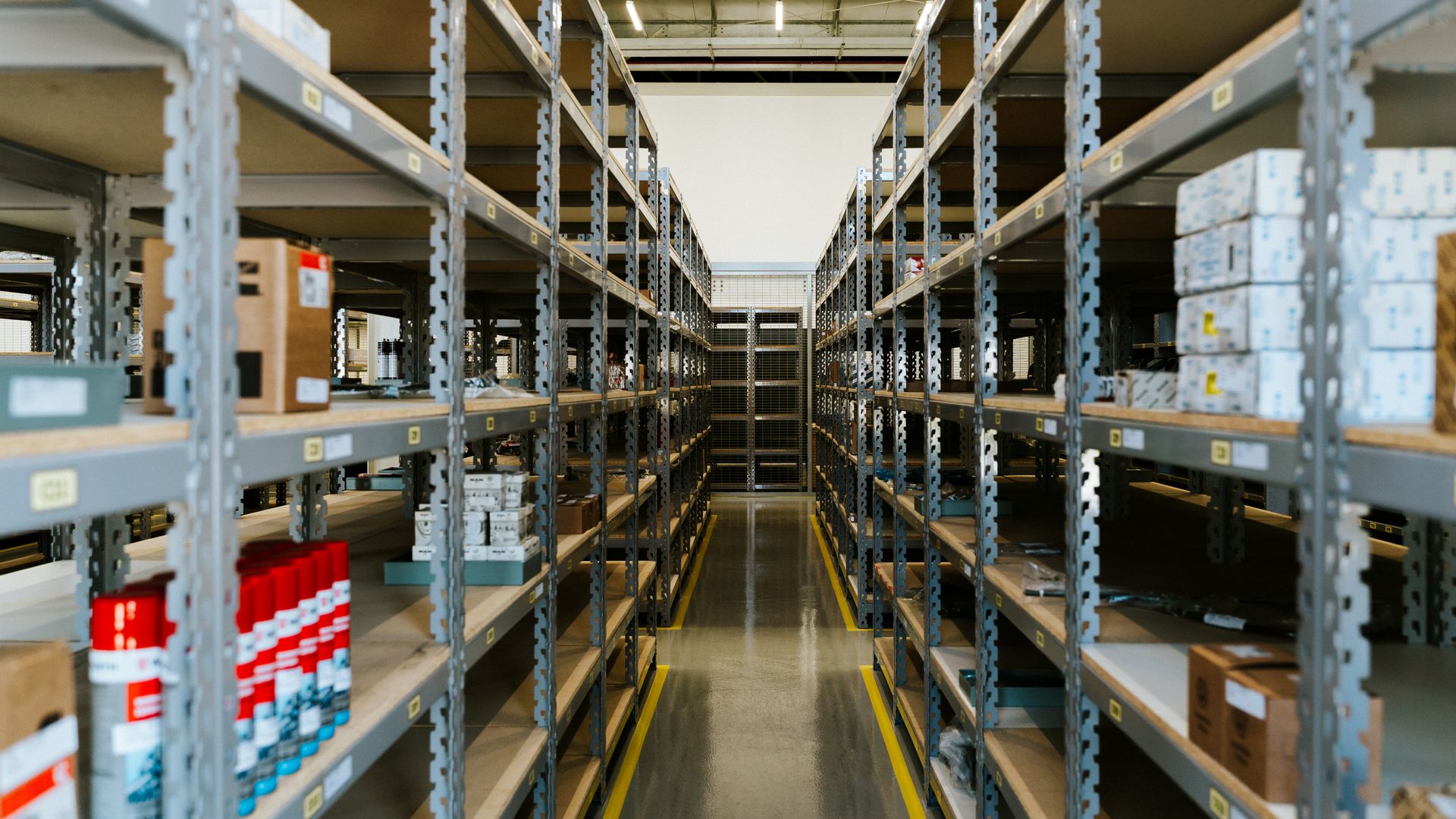
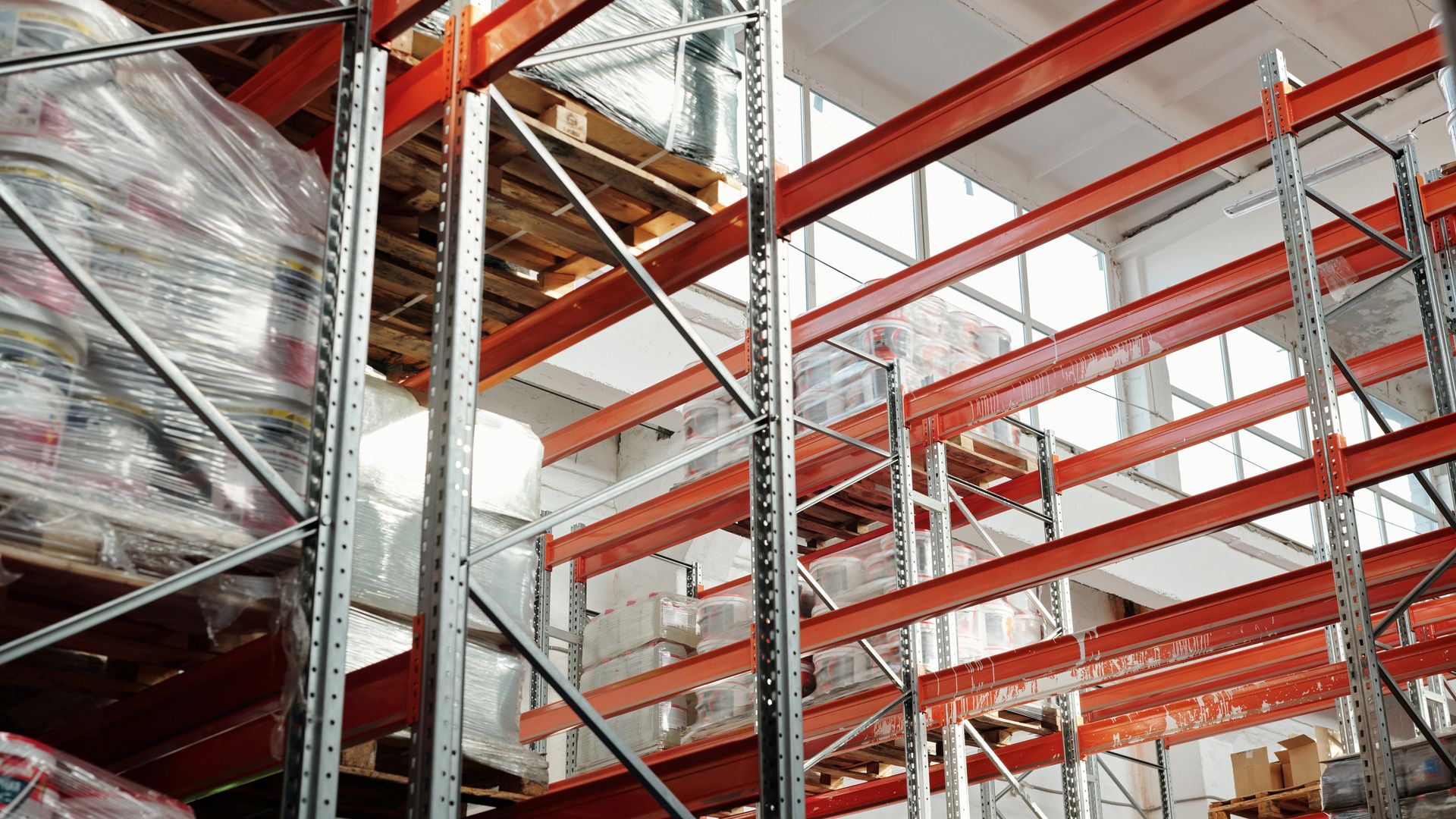
- Pallets off the floor and away from walls. A defined perimeter aisle so inspection and cleaning can happen behind racking.
- Sealed floors, no exposed wood or flaking paint. Chipping surfaces above stored product are a physical-hazard finding.
- Controlled temperature and humidity where the product requires it, with monitoring and logs. If any SKU needs refrigeration or freezing, that is a different capability — see cold storage fulfillment.
- Allergen segregation. Products containing major allergens stored so they cannot contaminate others — typically physical separation and never stored above non-allergen product.
- Chemical segregation. Cleaning chemicals and non-food goods stored well away from food.
- Dock and door integrity. Sealed doors, air curtains or rapid-close doors, and screened openings to keep pests out.
What records should a food-grade 3PL be able to produce?
This is the practical test. A warehouse handling your food product should be able to give you, without a long delay:
- Current FDA food facility registration confirmation
- Most recent third-party audit report and corrective actions
- Pest control service records for the last 12 months
- Sanitation schedule and completed cleaning logs
- Temperature and humidity logs for the storage area
- Lot-level receipt and shipment records for your SKUs
- A written recall and mock-recall procedure, with the date of the last mock recall
That last item separates serious operators from the rest. Under FSMA traceability expectations, you should be able to identify one step forward and one step back for any lot. Ask when they last ran a mock recall and how long it took to produce the trace. The mechanics are covered in lot tracking and expiration date management.
Food-grade warehouse vs. regular warehouse: what is the real difference?
A standard warehouse optimizes for throughput and cost per pallet. A food-grade warehouse accepts constraints that reduce both — dedicated allergen zones, restricted mixed storage, more frequent cleaning downtime, temperature-controlled space that costs more per square foot, and staff time spent on documentation.
That is why food-grade storage carries a premium. If you are weighing this against holding your own space, our breakdown of warehouse space cost in 2026 versus outsourcing to a 3PL covers the math, though note that meeting food-grade requirements in your own building adds compliance overhead most brands underestimate.
How does FEFO apply to food storage?
Same as any dated product: ship the soonest-expiring unit first, not the oldest-received. Best-by dates on food and beverage move on their own schedule relative to receipt dates, and retail buyers frequently specify a minimum remaining shelf life on delivery — often expressed as a percentage of total shelf life. If a warehouse cannot enforce FEFO at the pick, you will eventually ship product that gets rejected at a retailer's dock and charged back. See retail compliance and chargebacks for how that plays out.
Frequently asked questions
Is "food-grade warehouse" an official certification?
No. There is no FDA certificate that says "food-grade." What exists is FDA facility registration (required), FSMA compliance (required), and voluntary third-party audits such as SQF, BRCGS, or AIB (often contractually required by retail buyers). Evaluate the combination.
Do supplements need a food-grade warehouse?
Yes — dietary supplements are regulated as a food category in the U.S., so the same facility registration and holding requirements apply. See our guide to supplement and nutraceutical fulfillment.
When is the FDA food facility registration renewal deadline?
Renewal is biennial, in even-numbered years, during a window that runs October 1 through December 31. For 2026 that means renewing between October 1 and December 31, 2026. There is no FDA fee for renewal.
Does a food-grade warehouse need to be temperature controlled?
Only where the product requires it. Shelf-stable dry goods may be fine in controlled ambient conditions; chocolate, oils, and gummies need cooler ranges; anything perishable needs refrigeration or freezing. What matters is that conditions are specified, monitored, and logged rather than assumed.
What is the difference between food-grade and cold storage?
Food-grade describes the sanitation, pest control, documentation, and registration standard. Cold storage describes a temperature capability. A facility can be food-grade and ambient-only; a cold storage facility that lacks food-safety documentation is not food-grade.
Storing food and beverage with Atomix
Atomix Logistics fulfills for CPG food, beverage, and supplement brands with lot-level traceability, documented sanitation and pest programs, and transparent per-line pricing with no long-term contract. If you want to review our documentation before moving inventory, get in touch for a quote.

.svg)
.svg)
.svg)