Los Angeles 3PL: How Southern California Fulfillment Works — Ports, Costs, and When an Inland Hub Beats It
Short answer: A Los Angeles 3PL makes sense for brands that import through the ports of Los Angeles and Long Beach and sell heavily into California and the Southwest. It puts inventory next to the largest container gateway in North America and the largest state consumer market in the U.S. The trade-off is cost: port drayage, warehouse labor and industrial rent in Southern California run above most inland markets, and a coastal node still leaves the East Coast four to five ground days away. Many national brands get a better result by clearing freight through LA and fulfilling from an inland Western hub.
Atomix does not operate a Los Angeles facility. Our Western node is in Salt Lake City, and below we lay out honestly when an LA 3PL beats it and when it does not.
What is a Los Angeles 3PL?
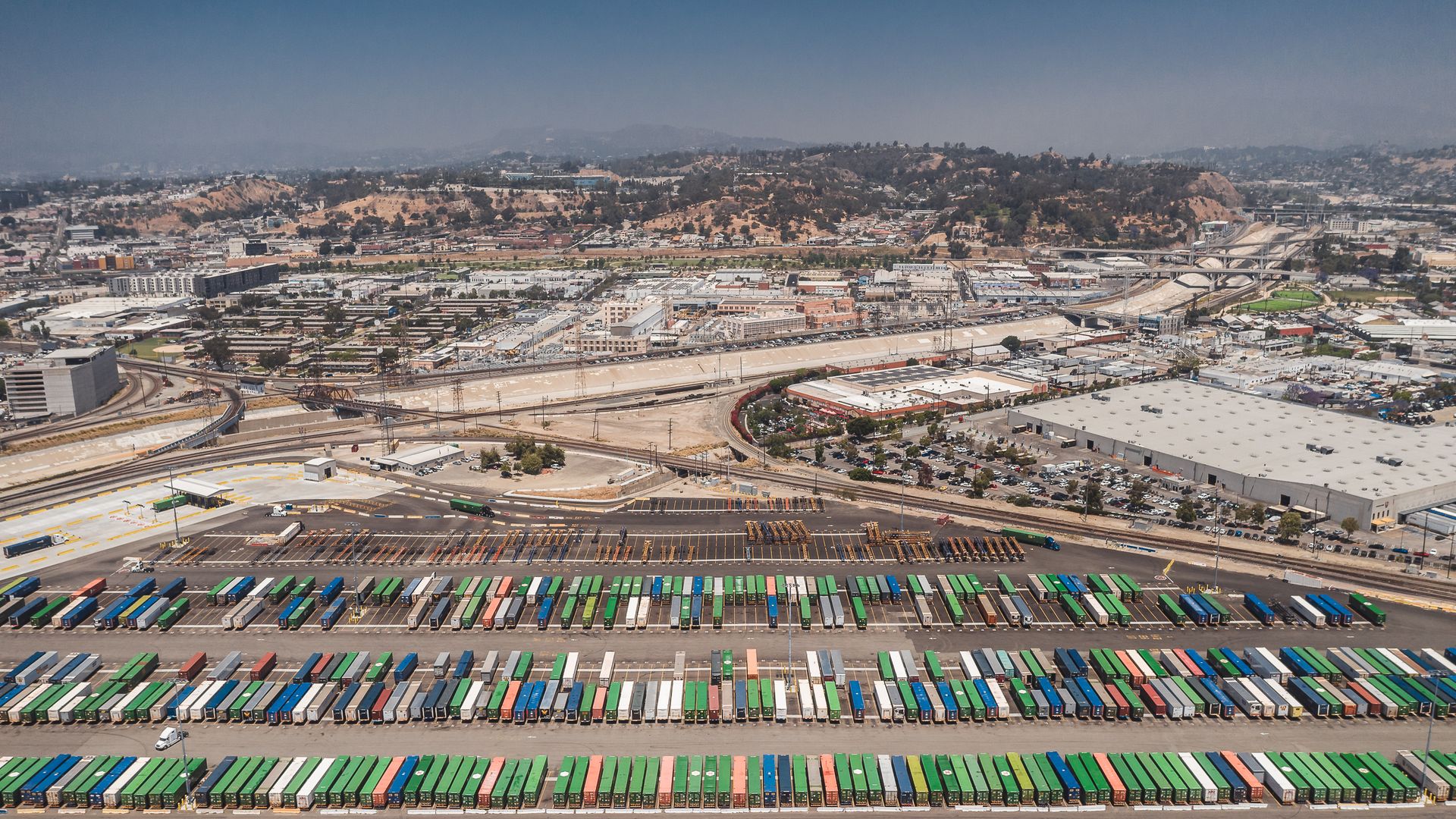
A Los Angeles 3PL is a third-party logistics provider that receives, stores, picks, packs and ships your inventory from a warehouse in the LA basin. In practice, much of the region's fulfillment capacity sits outside the city itself — near the ports in the South Bay and Harbor area, and inland in the Inland Empire around Ontario, Riverside and San Bernardino. When you search for an LA 3PL, you are usually choosing between port-adjacent and Inland Empire buildings.
Why do brands choose a Los Angeles 3PL?
The San Pedro Bay ports
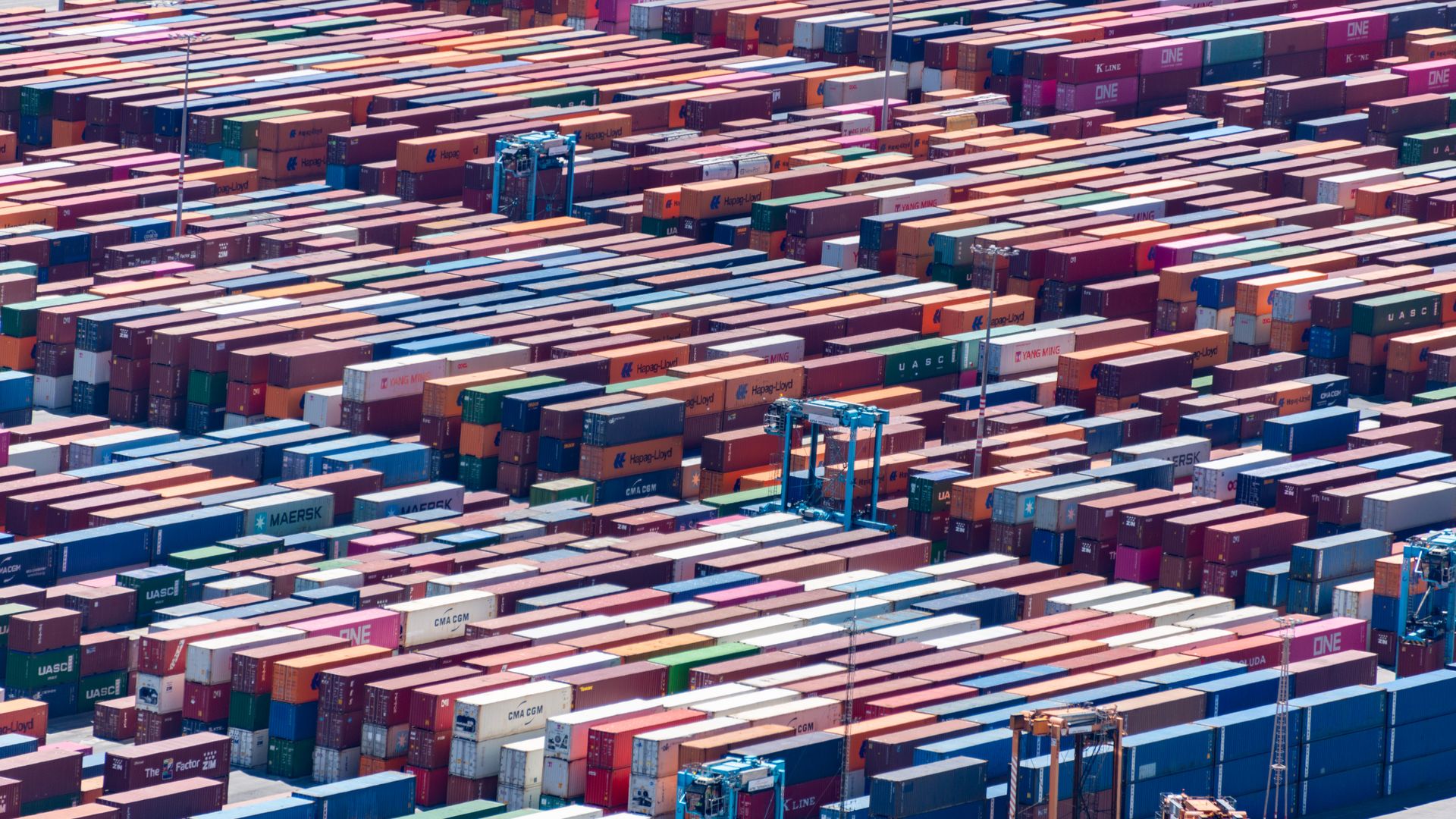
The Port of Los Angeles handled about 10.24 million TEUs in 2025, and the neighboring Port of Long Beach moved a record 9.88 million TEUs. Together they form the busiest container gateway in North America and the first landing point for a large share of transpacific imports. If your goods are made in Asia, a warehouse close to those terminals shortens drayage and lets you receive, sort and ship containers quickly after they clear.
California is the largest state market
California is the most populous U.S. state. If a big share of your orders ship to California, Arizona and Nevada, an LA node turns them into low-zone, one- and two-day ground deliveries. For regional density, few places compete.
Speed on the inbound side
Being near the port lets you react faster to a late vessel, split a container between channels, or push urgent units into Amazon or retail DCs without an extra cross-country move.
What are the downsides of fulfilling from Los Angeles?
Higher drayage and handling costs
Port drayage at LA and Long Beach has run roughly 20% to 35% above the national average, according to 2026 drayage rate benchmarks from WarehousingCosts.com and Blackbridge Logistics. Add congestion, chassis fees and appointment windows, and the inbound leg can cost more than brands budget for.
Labor and storage costs
Southern California warehouse labor and industrial real estate price at a premium to inland markets such as Utah, Wisconsin or Texas. That shows up directly in your storage rate and your pick-and-pack fees. Use our rate card guide to compare quotes on a like-for-like basis.
Coastal geography
LA sits on the western edge of the country. Ground parcel to the Northeast and Southeast is typically four to five transit days, and those orders fall in the highest zones. A single LA node cannot offer a national two-day promise without paying for air. See our shipping zones guide for why that costs so much.
LA 3PL or an inland Western hub: how do you decide?
- Map 12 months of orders by ship-to state. If California, Arizona and Nevada are a clear majority, an LA node earns its keep on outbound alone.
- If your orders are national, model an inland node first. Salt Lake City is roughly 690 highway miles from Los Angeles along I-15 and reaches most of the West in two days while pulling the Midwest closer. That is why Atomix's Salt Lake City facility exists.
- If you import heavily through San Pedro Bay, consider transloading near the port and moving consolidated truckloads to an inland fulfillment center. You keep the port advantage and avoid the coastal cost and outbound zone penalty.
- If you already run two nodes, the higher-value second node for most brands is in the East, not a second Western building. Compare Baltimore and Atlanta.
For a full walkthrough of the split-inventory math, read distributed inventory: when to split stock across multiple fulfillment centers. If Arizona is also on your shortlist, our Phoenix 3PL guide covers that option.
What should you ask a Los Angeles 3PL before signing?
- Is the facility port-adjacent or in the Inland Empire, and how far is it from the terminals you use?
- Do you handle drayage and container devanning in-house, and what do you charge per container?
- What is your dock-to-stock time after a container arrives? Inventory that is not put away cannot be sold. Our 3PL receiving guide covers what good looks like.
- What share of my orders will ship Zone 5 to 8, and at what cost per order?
- Do you rate shop across carriers, or route every order to one default?
- Can I add a second node later without re-onboarding from scratch?
How does Atomix cover the West Coast?
Atomix runs three live facilities: Milwaukee, WI (200,000 sq ft, temperature-controlled and ambient), Salt Lake City, UT (75,000 sq ft) and Baltimore, MD (50,000 sq ft), with Dallas, TX and Atlanta, GA announced. Salt Lake City is our West Coast node. It serves California and the rest of the West in two days by ground for most destinations, and it pairs with Milwaukee or Baltimore when a brand needs national coverage.
Every Atomix location runs the same standard: dock-to-stock in 48 hours or less on average for compliant shipments, a dedicated pod team per account, and every order double-scanned and video recorded.
Frequently asked questions
Is Los Angeles a good location for a 3PL?
For import-heavy brands with strong California and Southwest demand, yes. For brands selling evenly across the U.S., an inland node usually delivers a better cost per order and better national transit times.
What is the Inland Empire, and why do so many 3PLs operate there?
The Inland Empire is the Riverside and San Bernardino area east of Los Angeles. It has large modern warehouses, highway and rail access, and more space than the port area, so much of Southern California's distribution capacity is there.
Can a Los Angeles 3PL offer two-day shipping nationwide?
Not by ground. Orders to the East Coast typically take four to five days. National two-day coverage from LA requires air services or a second node farther east.
Is it cheaper to fulfill from Los Angeles or Salt Lake City?
For most national brands, an inland Western hub costs less per order because of lower labor and storage rates and a better outbound zone mix. LA can still win on inbound for brands that import large volumes and sell mostly in California.
Does Atomix have a Los Angeles warehouse?
No. Atomix's Western facility is in Salt Lake City, Utah. Atomix also operates Milwaukee and Baltimore, with Dallas and Atlanta announced.
Want to see how your orders would ship from LA versus an inland hub? Book a strategy session with Atomix and we will model it against your data.
Sources: Port of Los Angeles 2025 container statistics; Port of Long Beach 2025 volume (Container News, January 2026); WarehousingCosts.com and Blackbridge Logistics port drayage rate bands (2026); Atomix facility specifications, atomixlogistics.com/locations (retrieved 2026-09-30).

.svg)
.svg)
.svg)