Retail Routing Guides Explained: How to Ship Wholesale Orders to Big-Box Retailers Without Chargebacks
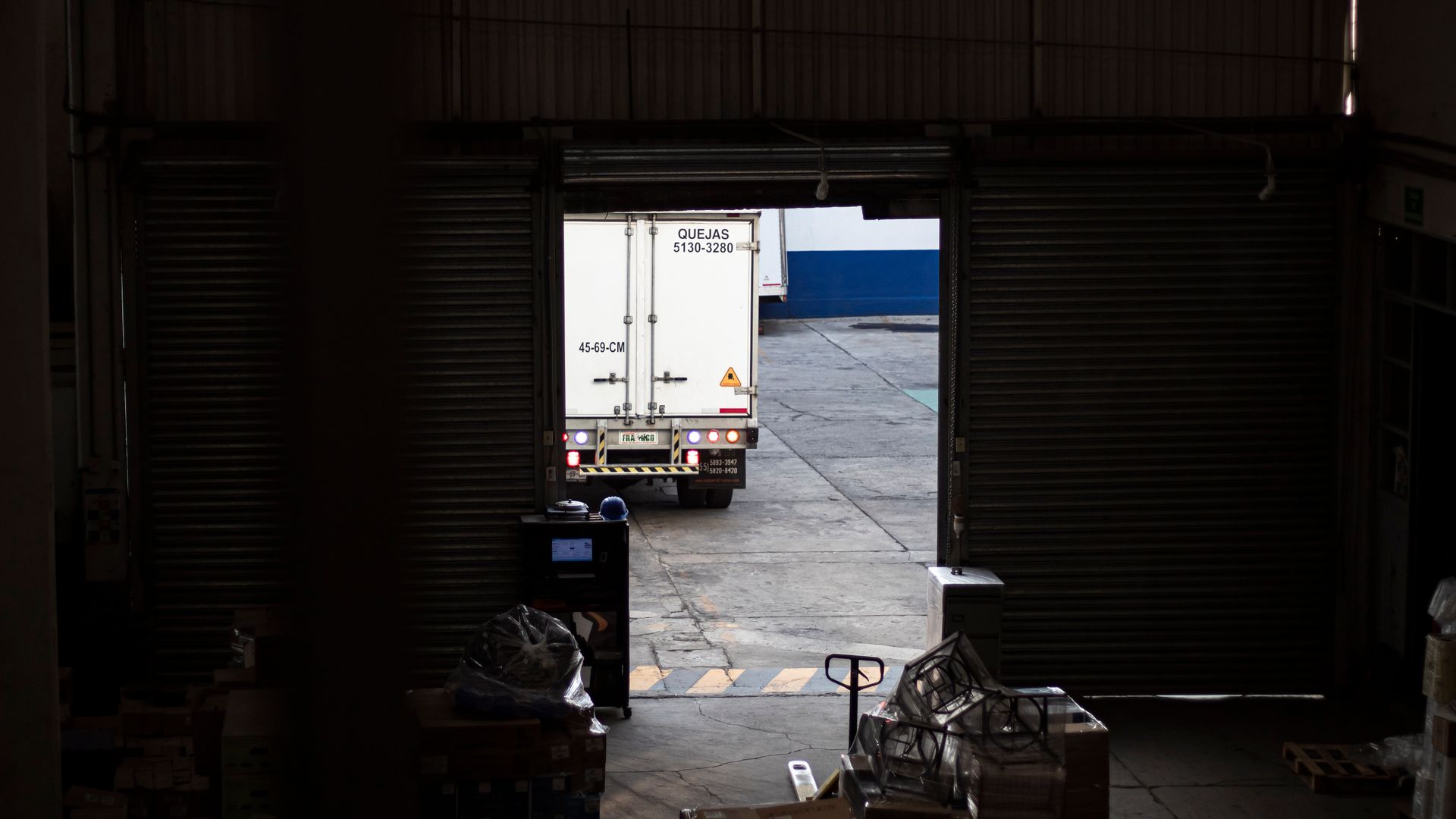
Short answer: A routing guide is the retailer's rulebook for how your wholesale shipments must reach its distribution centers: which carrier to use or how to request one, how far ahead to book, how to build and label pallets, which documents and EDI messages to send, and the delivery window you must hit. It sits inside the retailer's broader vendor compliance manual. Miss any step and the retailer can charge back a fine against your invoice. A 3PL that ships B2B well turns the routing guide into a checklist it runs on every purchase order.
What is a routing guide?
A routing guide is a document every major retailer gives its suppliers. It defines the physical and administrative requirements for inbound freight into the retailer's network. Where a DTC order only needs to reach a consumer's porch, a retail purchase order must arrive at a specific DC, inside a specific window, in a specific physical format, with electronic paperwork that matches the freight exactly.
Routing guide vs. vendor compliance manual
The vendor compliance manual is the full supplier rulebook: product labeling, packaging, EDI, invoicing and penalties. The routing guide is the transportation section of it: how freight moves and arrives. In practice, many suppliers use the terms loosely, but when a buyer says "follow the routing guide," they mean the shipping and delivery rules.
What is inside a typical routing guide?
- Freight terms. Whether the PO ships collect (the retailer chooses and pays the carrier) or prepaid (you choose and pay). On collect orders, you usually must submit a routing request through the retailer's portal within a set time after the PO arrives.
- Ship windows and delivery dates. A ship-not-before and ship-no-later-than date, or a must-arrive-by date, depending on the retailer.
- Carrier and mode rules. Parcel vs. LTL vs. truckload thresholds, often based on weight, cube or carton count.
- Appointment scheduling. Prepaid freight usually needs a DC delivery appointment booked in advance.
- Pallet specifications. Pallet type and size (commonly 40 x 48 inches), maximum height and weight, overhang rules, stretch wrap and corner boards.
- Carton labels. GS1-128 shipping labels carrying an SSCC, the unique serial shipping container code, placed in a specified position on each carton and pallet.
- Documents. A bill of lading in the required format, packing lists and any PO-level paperwork.
- EDI. An Advance Ship Notice (EDI 856) sent before the freight arrives, with carton-level detail that matches the SSCC labels on the freight.
- Penalties. The chargeback schedule for each type of violation.
New to the EDI side? Start with what EDI is and how it works.
How strict are retailers about routing compliance?
Very. Walmart's On-Time In-Full program is the best-known example. Walmart assigns delivery windows, measures every PO for on-time and in-full performance, and fines suppliers 3% of the cost of goods on cases that miss the goal, according to a supplier guide from 8th & Walton. Other big-box, grocery, pharmacy and department-store chains run their own scorecards and chargeback schedules. Our retail compliance and chargebacks guide covers the most common fines and how to dispute them.
How does a 3PL execute a routing guide on every PO?
- Receive the PO (EDI 850) and confirm quantities, ship window, freight terms and destination DC.
- Allocate and pick from the same inventory pool that feeds DTC, reserving case-pack quantities so the wholesale order ships in full.
- Pack to spec. Build cartons with the right case pack and carton marking, then build pallets to the retailer's height, weight and wrap rules.
- Label. Generate GS1-128 SSCC labels for every carton and pallet and apply them in the specified positions.
- Route. On collect orders, submit the routing request in the retailer's portal on time and wait for the assigned carrier and pickup. On prepaid orders, book the carrier and the DC appointment.
- Document. Produce the bill of lading and packing list in the required format.
- Send the ASN (EDI 856) before the truck departs, with carton-level data that matches the physical labels exactly.
- Confirm and invoice. Record the pickup, share the PRO number and send the invoice (EDI 810) through your EDI provider.
Running wholesale out of a DTC operation for the first time? Our Faire and wholesale marketplace fulfillment guide covers the five places a DTC workflow breaks.
What are the most common routing guide mistakes?
- Late routing requests. The PO sits in an inbox and the collect routing request misses its deadline.
- ASN mismatches. The ASN lists cartons or quantities that do not match what is on the truck.
- Label errors. Missing, duplicated, unreadable or misplaced SSCC labels.
- Pallet violations. Overhang, overweight or over-height pallets, or the wrong pallet type.
- Missed windows. Shipping early can be a violation too, not just shipping late.
- Short shipments. Shipping partial quantities without the buyer's approval.
What should you ask a 3PL about B2B and retail compliance?
- Which retailers' routing guides do you ship to today?
- Do you generate GS1-128 SSCC labels and ASNs in-house, or through our EDI provider?
- Who submits collect routing requests, and how fast after the PO arrives?
- How do you keep wholesale case-pack stock from being consumed by DTC orders?
- What is your chargeback rate, and who pays when the 3PL causes the violation?
For the full B2B picture, see our B2B fulfillment services guide.
Frequently asked questions
What is a routing guide in logistics?
A routing guide is a retailer's set of rules for how suppliers must ship freight into its network, covering carrier selection, booking lead times, pallet and label specifications, documents, EDI and delivery windows.
What is the difference between collect and prepaid in a routing guide?
On a collect PO, the retailer chooses and pays the carrier, and you request routing through its system. On a prepaid PO, you choose and pay the carrier and are responsible for on-time delivery to the DC.
What is an SSCC label?
An SSCC label is a GS1-128 barcode label carrying an 18-digit serial shipping container code that uniquely identifies a carton or pallet. The same SSCCs appear in your ASN so the retailer can receive freight by scanning.
Why does the ASN matter so much?
The ASN tells the DC exactly what is arriving before the truck gets there. If it does not match the physical freight, the DC cannot receive by scan, and that often triggers a chargeback.
Can a 3PL ship both DTC and retail orders from the same inventory?
Yes, and it is the most efficient setup for most growing brands, as long as the 3PL can reserve case-pack stock for open POs and follow each retailer's routing guide.
Planning your first retail launch? Book a strategy session with Atomix and we will walk your routing guide with you before the first PO ships.
Sources: 8th & Walton, Walmart OTIF supplier guide; GS1 US, SSCC and GS1-128 label standards.

.svg)
.svg)
.svg)