Ohio 3PL: How Columbus-Area Fulfillment Covers the Eastern U.S. — and When It Doesn't Beat a Midwest Hub
An Ohio 3PL is a third-party fulfillment provider operating out of the Columbus, Cincinnati, or Cleveland corridors — and its main selling point is ground transit: from central Ohio, a large share of the U.S. population sits within one to two days of ground parcel service. That is a real advantage. It is also not unique to Ohio, and for many ecommerce brands it is not the deciding factor.
Here is what the coverage claim actually means, and how to check whether an Ohio node is the right answer for your order mix.
Why is Columbus considered a logistics hub?
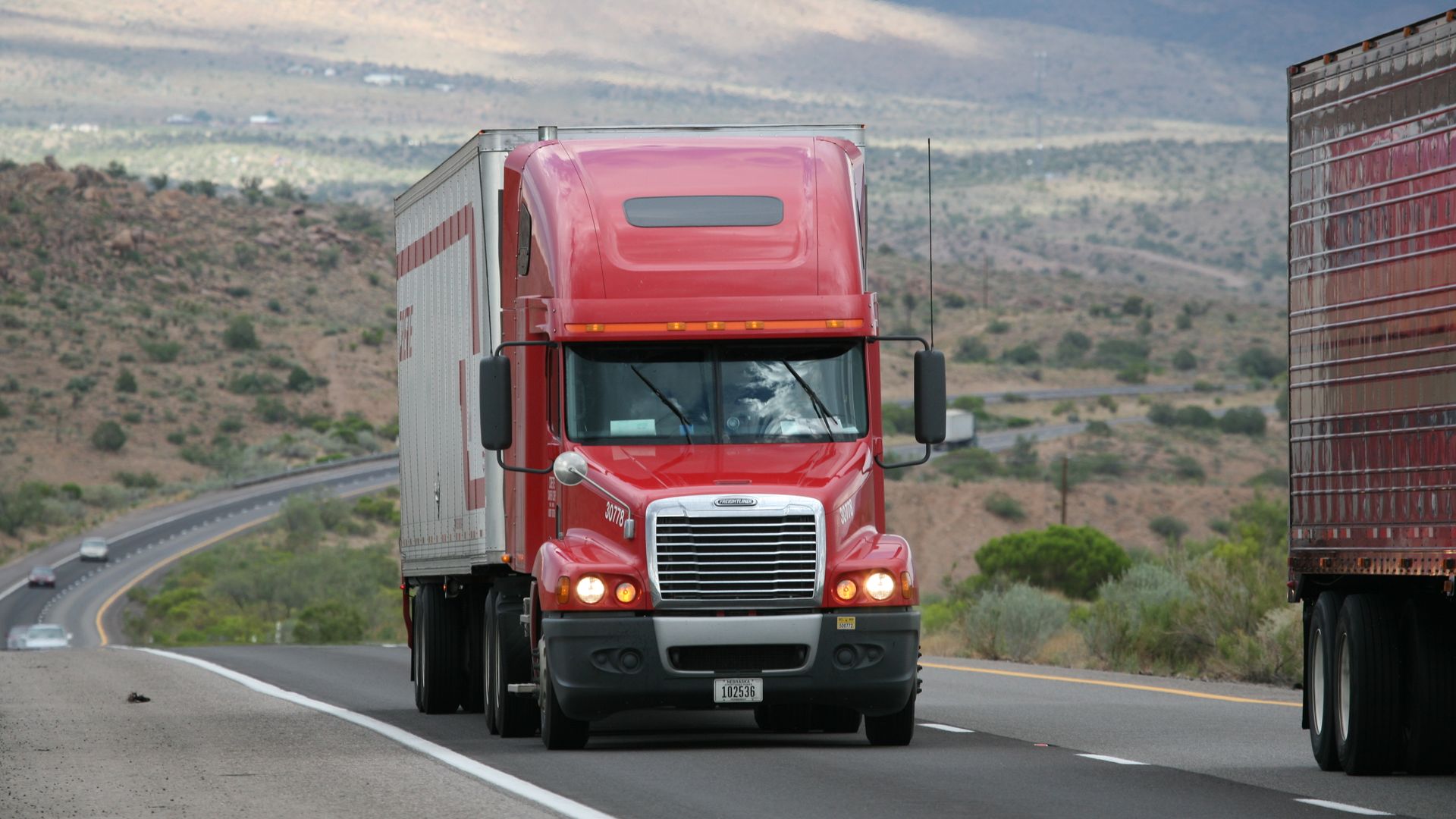
Central Ohio sits at the intersection of I-70 and I-71, inside the dense eastern half of the country, with a deep warehousing labor market and a large concentration of distribution operations. Regional economic development groups and logistics providers commonly cite that roughly 45% to 65% of the U.S. population is within a one-day truck drive of Columbus, and around three-quarters within two days.
Treat those figures as directional rather than precise. The range is wide because the underlying assumptions differ — what counts as "one day" (a 500-mile radius? a 600-mile radius? a legal driver hours-of-service day?) changes the answer substantially. The useful takeaway is the ranking, not the decimal: central Ohio is genuinely one of the better-positioned inland points for reaching the eastern and midwestern U.S. by ground.
Does one-day truck drive mean one-day delivery for my customers?
No, and this is the most common misreading. Truck-drive radius describes freight movement between facilities. Your customer's delivery speed is set by parcel zone and service level — a different map, priced by carrier zone from the shipping origin. A package can leave a warehouse inside a one-day truck radius and still take three days on ground service.
What you actually want to compare is parcel zone distribution: what share of your orders ship into Zones 2–4 (cheap, fast) versus Zones 6–8 (expensive, slow) from a given origin.
How do you decide whether an Ohio node is right for you?
Run the analysis on your own order data, not on a coverage map. Three steps:
- Pull 6–12 months of shipped orders with destination ZIP codes. Peak months included.
- Map them to parcel zones from each candidate origin. Columbus, a Milwaukee-area hub, a Salt Lake City hub, an East Coast hub.
- Weight by order volume, not by geography. A state with 4% of the land mass and 12% of your orders should drive the decision.
Brands are regularly surprised here. A DTC brand with a heavy Northeast customer base often does better from a Mid-Atlantic origin than from Ohio. A brand with a genuinely national spread frequently does best splitting inventory rather than chasing a single "central" node — see distributed inventory across multiple fulfillment centers.
When does a different Midwest hub serve you just as well?
Ohio's coverage advantage over other upper-Midwest locations is real but narrower than the marketing suggests. A Milwaukee-area or Chicagoland facility reaches most of the same Midwest and Great Lakes population in the same ground window, and reaches the upper Midwest and Plains states better. If your orders skew toward the Midwest, Great Lakes, and Plains, the Ohio premium buys you little.
For the comparison, see Chicago 3PL coverage and Wisconsin 3PL and Midwest fulfillment. If your orders skew East Coast, look at East Coast fulfillment instead. If they skew West, Salt Lake City is the more relevant node.
Atomix Logistics does not operate an Ohio facility. We run fulfillment from a Milwaukee-area Midwest hub and a Salt Lake City West hub, which together cover most of what a central-Ohio origin covers for Midwest-weighted order books — and we will run the zone analysis honestly, including when the answer is that you belong somewhere else.
What else matters besides location?
Location sets a ceiling on transit speed. Everything below it sets your actual performance:
- Order cutoff time. A facility 200 miles closer with a 12pm cutoff loses to one further away with a 4pm cutoff. See order cutoff times.
- Carrier mix and rate shopping. Regional carriers often beat the nationals on short-zone ground.
- Pick accuracy. A reship erases every hour of transit you gained.
- Peak capacity. Coverage means nothing in November if the building is over capacity.
If you are early in a search, questions to ask a 3PL before signing covers the rest of the diligence list.
Frequently asked questions
Is Columbus the best place for a fulfillment center?
It is one of the strongest inland options for reaching the eastern U.S. by ground, but "best" depends entirely on where your customers are. Run your own ZIP-to-zone analysis before accepting any location claim.
What is the difference between an Ohio 3PL and a national 3PL?
An Ohio 3PL describes where the building is. A national 3PL describes network scope. Many national providers operate an Ohio node; many Ohio providers serve nationally from one building.
Do I need a warehouse in Ohio to sell to Midwest customers?
No. Several Midwest origins produce similar zone profiles for Midwest destinations. Ohio's edge shows up mainly for the Northeast and Southeast.
How many fulfillment centers do I actually need?
Most brands under roughly 20,000 orders a month are better served by one well-placed facility than by two that split inventory and double safety stock. The math is in distributed inventory allocation.
Atomix Logistics will run a free zone analysis on your order history and tell you which origin actually fits your customer base. Reach out for a quote.

.svg)
.svg)
.svg)