2026 Peak Season Shipping Surcharges: What UPS, FedEx, and USPS Are Charging and How to Protect Your Margins
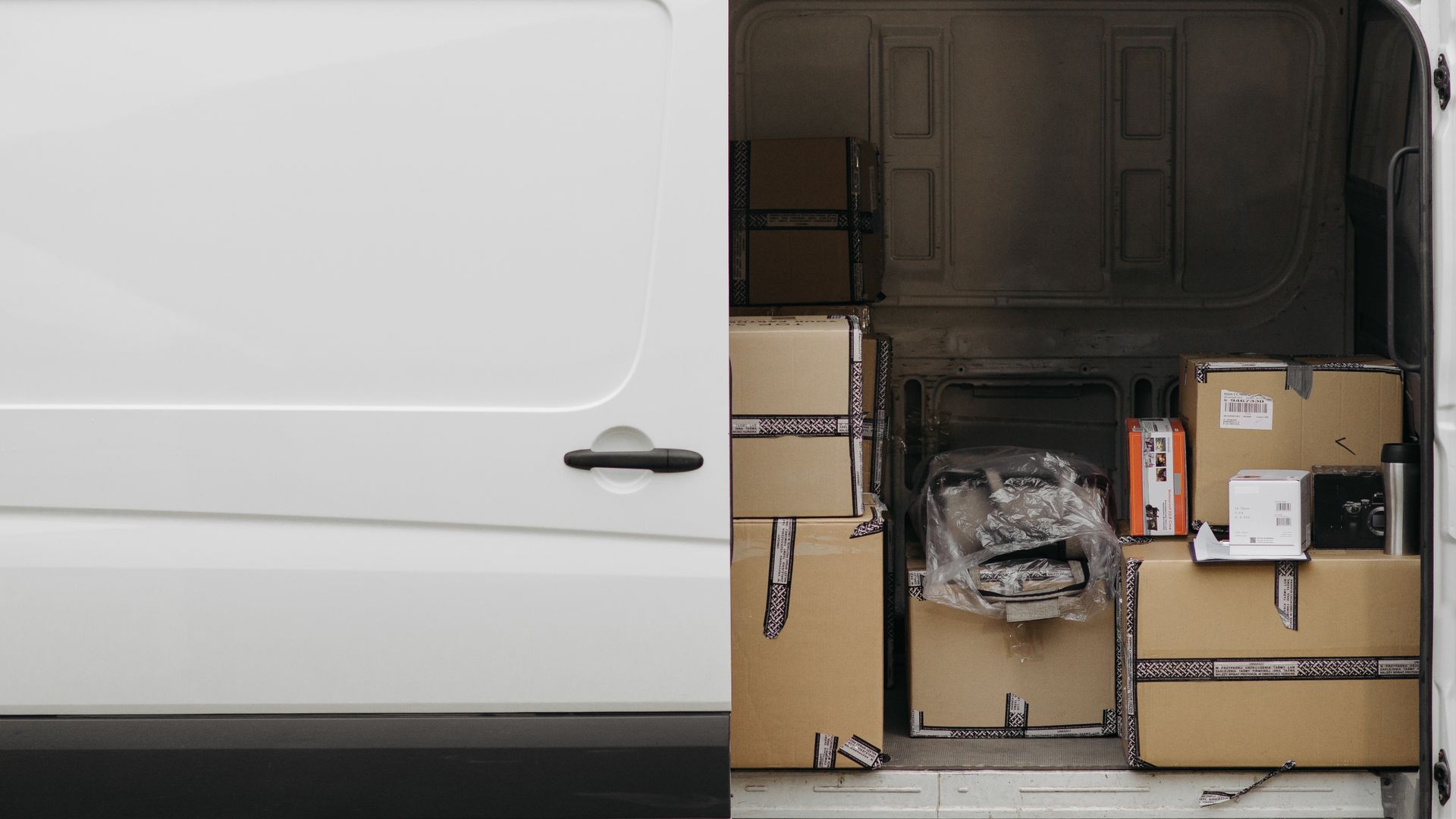
Short answer: UPS and FedEx have both published their 2026 peak season demand surcharges, and residential ground fees are up roughly 23% to 25% year over year. The first fees hit oversized and nonstandard packages in late September; broad residential surcharges start in late October and run into January 2027. If your Q4 shipping budget assumes 2025 numbers, it is already wrong.
Here is what has been announced as of early September 2026, what it means per order, and the levers that actually move the number.
When do 2026 peak surcharges start?
| Carrier | Nonstandard / oversize fees begin | Residential ground fees begin | Through |
|---|---|---|---|
| UPS | September 27, 2026 | October 25, 2026 | January 2027 |
| FedEx | September 28, 2026 | October 26, 2026 | January 17, 2027 |
| USPS | Temporary peak-season increases effective October 4, 2026 (subject to Postal Regulatory Commission review) | January 17, 2027 | |
UPS published its updated Demand Surcharge schedule on August 26, 2026. FedEx announced its domestic holiday increases in July 2026. The USPS Board of Governors established temporary peak-season increases for Priority Mail Express, Priority Mail, Ground Advantage, and Parcel Select.
What are the actual 2026 residential ground rates?
UPS
Ground Residential and Ground Saver carry a $0.50 per-package surcharge during the first and final holiday periods, rising to $0.75 from November 22 through December 26. Last year those figures were $0.40 and $0.60.
FedEx
Ground Residential and Home Delivery also start at $0.50, rising to $0.80 from November 23 through December 27, then dropping back to $0.50. Last year: $0.40 and $0.65.
FedEx has also said it will make additional adjustments to U.S. international demand surcharges during the holiday season, with details expected in early September 2026 — so international shippers should not treat the current schedule as final.
What do the other peak fees look like?
The residential per-package fee is the headline, but it is rarely the biggest line on a Q4 invoice. The fees that hurt are the ones triggered by package characteristics:
- Additional Handling Surcharge — triggered by weight, length, packaging type, or irregular shape. FedEx peak-season additional handling has been published in the roughly $8.80 to $11.85 range depending on trigger and period.
- Oversize Charge — for packages exceeding size limits, published in the roughly $95.75 to $117.25 range across the peak period.
- Unauthorized Package Charge — for packages exceeding maximum limits entirely; FedEx ground unauthorized package charges run roughly $535 to $595 across peak.
One oversize package can wipe out the margin on dozens of normal orders. If you ship anything large, read big and bulky fulfillment before peak, not during it.
Will you actually pay the published rates?
Not necessarily. Marketplace and commercial shippers negotiate discounts, and contract terms can waive, cap, or modify demand surcharges. But two things are true regardless: published rates set the ceiling for anyone without leverage, and higher carrier costs work their way through the system whether they appear as shipping charges or get absorbed into product prices.
If you ship through a 3PL, you are typically riding negotiated rates well below list. Ask your provider specifically how peak surcharges pass through — at cost, marked up, or absorbed.
How do you protect margin against 2026 peak surcharges?
- Fix your dimensions first. Additional handling and oversize triggers are dimensional, not accidental. Right-sizing cartons is the single highest-ROI action available in September. See dimensional weight explained.
- Audit your surcharge exposure now. Pull 30 days of shipments and count how many would trigger additional handling under the peak thresholds.
- Shorten zones. Every zone you remove is a permanent saving, not a seasonal one. Distributed inventory covers when a second node pays for itself.
- Diversify carriers. Regional carriers and USPS have different surcharge structures; a mixed carrier mix smooths exposure.
- Reprice free-shipping thresholds. If your threshold was set on 2024 rates, it is subsidizing carriers. Recalculate against your real blended cost per order.
- Publish honest cut-off dates. Late-December expedited shipping is where margin goes to die — see holiday shipping deadlines.
- Stress-test before November. Our peak season stress-test checklist covers capacity, cut-offs, and carrier contingency.
How much will this actually cost you?
Run the arithmetic on your own volume. A brand shipping 20,000 residential ground packages between late November and late December pays roughly $15,000 in UPS peak residential surcharge at $0.75, versus about $12,000 at last year's $0.60 — before any additional handling, oversize, or delivery-area fees. The percentage increase is modest in absolute cents and material in aggregate dollars, which is exactly why it tends to get missed in planning.
Pair this with your demand forecast so you are not budgeting shipping against last year's order count — forecasting Q4 demand walks through the method.
Frequently asked questions
When do UPS 2026 peak surcharges start?
Additional fees for oversized and nonstandard packages begin September 27, 2026. Broader residential Ground and Air surcharges begin October 25, 2026.
When do FedEx 2026 peak surcharges start?
Nonstandard package fees begin September 28, 2026, and most residential shipments are affected from October 26, 2026, with surcharges running through January 17, 2027.
How much are 2026 residential peak surcharges?
UPS: $0.50 in the early and late periods, $0.75 from November 22 to December 26. FedEx: $0.50, rising to $0.80 from November 23 to December 27.
Is USPS raising holiday rates in 2026?
The USPS Board of Governors established temporary peak-season increases for Priority Mail Express, Priority Mail, Ground Advantage, and Parcel Select, scheduled for October 4, 2026 through January 17, 2027, subject to Postal Regulatory Commission review.
Can peak surcharges be negotiated away?
Sometimes. Higher-volume shippers negotiate caps, waivers, or discounts. Smaller brands usually get better leverage through a 3PL's aggregated volume than on their own.
The bottom line
The 2026 peak surcharge schedule is published and the increases are real. The controllable variables are your box dimensions, your zones, your carrier mix, and your free-shipping threshold — all of which you can still change in September. If you want to see what your Q4 parcel spend looks like on negotiated 3PL rates, get a quote from Atomix.
Sources: UPS 2026 Demand Surcharge schedule (published August 26, 2026); FedEx demand surcharge announcements (July 2026); USPS Board of Governors peak-season rate filing; reporting by Value Added Resource, August 29, 2026. Figures verified September 2, 2026 and subject to carrier revision.

.svg)
.svg)
.svg)