Big and Bulky Fulfillment: How 3PLs Ship Oversized Products Without Destroying Your Margins
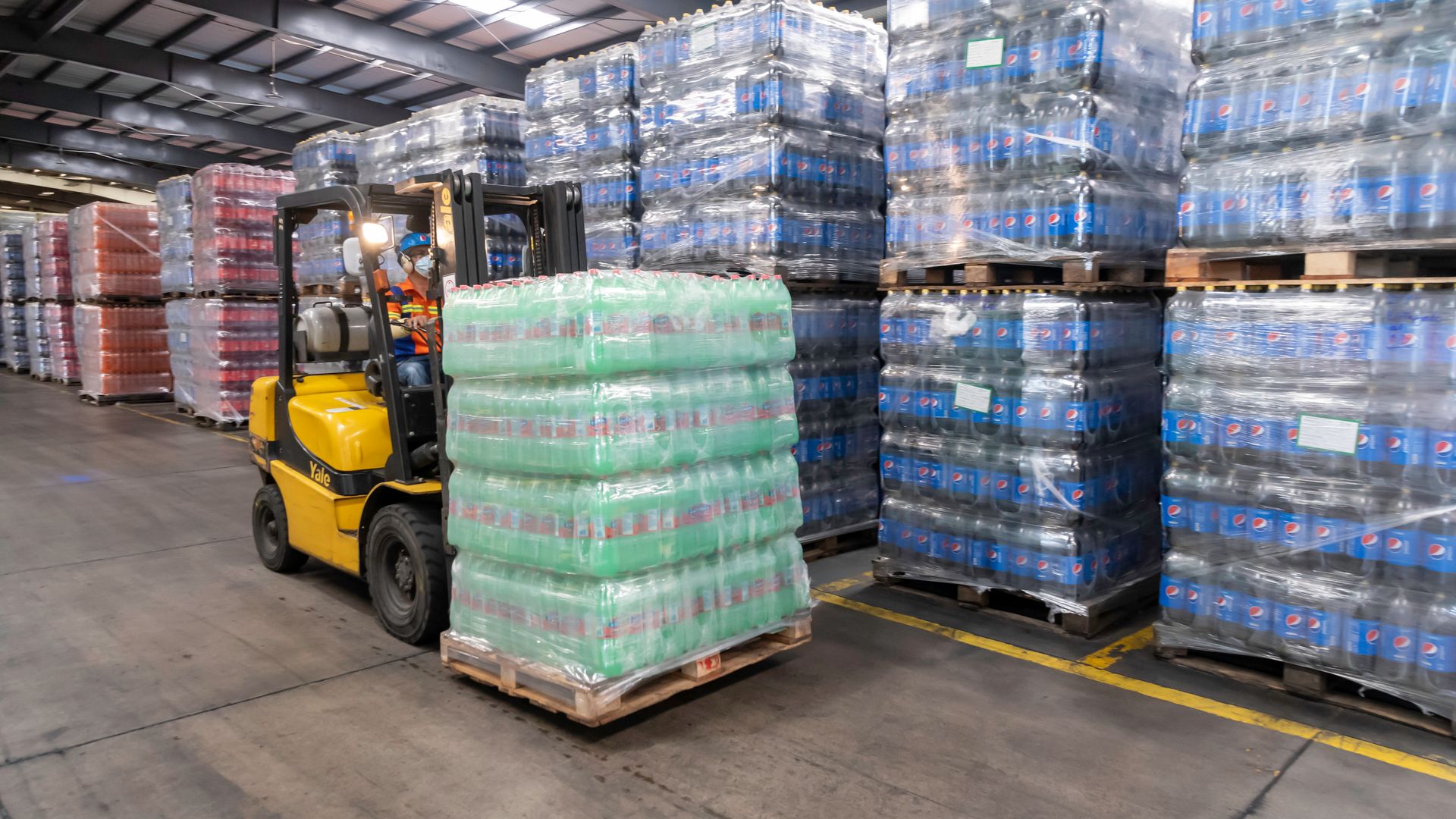
Big and bulky fulfillment covers products that are too large, heavy, or awkward to move through a standard parcel pick-and-pack operation — furniture, mattresses, fitness equipment, appliances, large pet products, and anything that triggers carrier oversize handling. The economics are different in four ways: storage is priced by cube rather than by shelf, picking needs equipment rather than a tote, shipping crosses over from parcel into freight, and damage rates run higher.
The single biggest mistake brands make here is assuming a standard 3PL contract scales to oversized goods. It does not. The pick fee is the smallest line on the invoice.
What counts as "big and bulky"?
There is no universal threshold, but a product usually falls into this category when at least one of these is true:
- It exceeds a carrier's maximum weight for standard parcel service
- Length, or length plus girth, crosses into the carrier's oversize or additional-handling bands
- It cannot be lifted safely by one person
- It ships on a pallet rather than as a loose carton
- It requires two people or equipment at the delivery point
Carriers publish their own dimension, weight, and surcharge thresholds and revise them regularly — check the current tariff for the carriers you use rather than relying on remembered numbers.
Why does dimensional weight matter more here than anywhere else?
Carriers bill on the greater of actual weight and dimensional weight, which is calculated from the package's cubic size. Large-but-light products — a sofa cushion set, an inflatable, a plastic storage unit — get billed on volume, and the gap between what the box weighs and what you pay for can be several times over. Our dimensional weight explainer and calculator covers the math.
Practical consequences for oversized goods:
- Box size is a pricing decision. An inch of unnecessary void space on a large carton costs real money on every shipment.
- Right-sizing pays for itself fast. Custom cartons cost more per unit than stock boxes and frequently still come out ahead.
- Ship zone amplifies everything. A dimensional weight penalty compounds with distance, which is why splitting inventory across fulfillment centers tends to help bulky goods more than small ones.
When should an oversized order ship LTL instead of parcel?
There is a crossover point where palletized LTL freight becomes cheaper than parcel, and it moves with weight, dimensions, zone, and your negotiated rates. As a rule of thumb, once a single shipment gets heavy enough or large enough to attract multiple oversize surcharges, run the LTL quote before defaulting to parcel.
What changes when you cross over:
- Freight class starts to matter — it is driven largely by density, and misclassification produces reweigh charges after the fact.
- Residential delivery, liftgate, and appointment scheduling become separate accessorial charges. For DTC deliveries to homes, these are not edge cases; they are most of your shipments.
- Transit time is longer and less predictable than parcel, which has to be reflected in what you promise at checkout.
See our LTL freight guide for how that side works.
How does storage pricing change for bulky goods?
Small-parcel 3PL pricing is often quoted per bin, shelf, or pallet position. Oversized goods break that model because they consume cube without consuming pick complexity. Expect and ask for:
- Storage quoted per pallet or per cubic foot, with a stated pallet height limit
- Clarity on whether items can be double-stacked — many bulky goods cannot, which doubles effective storage cost
- Floor storage rates for anything that will not fit a rack position
- Whether receiving is charged per pallet or per unit, since these diverge sharply for large items
If you are comparing this against holding your own space, our breakdown of warehouse space cost versus outsourcing is the right starting point — with the caveat that bulky goods need clear height and equipment most small-parcel space does not have.
Why are damage rates higher, and what reduces them?
Bulky items get handled more, dropped from greater heights, and moved by equipment rather than hands. They also tend to have larger unsupported spans that flex and crack. What actually reduces damage:
- Edge and corner protection. Most damage on large cartons starts at a corner.
- Internal bracing, not just void fill. Large items need structural support inside the box, not padding around it.
- Palletize and stretch wrap for LTL. Loose freight moving through multiple terminals will be damaged.
- Test the actual lane. Ship samples to a real destination on the real service before launching. Drop-test assumptions do not survive contact with a freight terminal.
How do oversized returns work?
This is where bulky-goods economics get punishing. A return that costs $12 to process on a small parcel can cost more than the item's margin when it is a 90-pound piece of furniture requiring a scheduled pickup and a liftgate.
What works:
- Decide return-versus-refund per item. For lower-value bulky goods, refunding without recovery is sometimes cheaper than paying reverse freight.
- Require original packaging in your policy, and say so clearly at purchase. An unboxed oversized item usually cannot be returned safely.
- Inspect and grade before restocking. Assume freight damage until verified otherwise.
- Track return reason by SKU. For bulky goods, "arrived damaged" is a packaging problem you can fix; "bigger than expected" is a product-page problem.
The general framework is in our reverse logistics guide.
What should you ask a 3PL about oversized goods?
- What are your maximum item dimensions and weight, per unit and per pallet?
- Is storage priced per pallet position or per cubic foot, and can my items be double-stacked?
- Do you quote both parcel and LTL and choose per order, or default to one?
- Do you have liftgate and residential delivery capability for DTC freight?
- What is your damage rate on oversized items, and how is it measured?
- How do you handle a returned oversized item that arrives without original packaging?
Frequently asked questions
What is big and bulky fulfillment?
Fulfillment for products too large or heavy for standard parcel handling — typically stored on pallets or floor space, picked with equipment, and shipped either as oversized parcel or as LTL freight, often with residential delivery accessorials.
When does LTL become cheaper than parcel?
It depends on weight, dimensions, zone, and your rates, but the practical trigger is when a shipment attracts multiple oversize or additional-handling surcharges. At that point, quote both before shipping rather than defaulting to parcel.
How is dimensional weight calculated for oversized items?
Cubic size divided by the carrier's dimensional divisor, then compared against actual weight — you pay on the greater. Divisors differ by carrier and service and change over time, so use current published values.
Can a standard 3PL handle furniture or fitness equipment?
Many cannot. Ask about maximum item dimensions, clear ceiling height, dock and equipment capability, and whether they have existing LTL relationships for residential delivery. A yes without those specifics is not a yes.
Should you offer free shipping on bulky products?
Only if the freight cost is genuinely built into the price. Bulky-goods shipping is a large enough share of order value that absorbing it without repricing will show up in your margin quickly.
Fulfillment that accounts for cube, not just units
Atomix Logistics quotes storage and handling transparently at the line level, including pallet and floor storage, and rate-shops parcel against LTL per order rather than defaulting. If you sell oversized products and want a real cost picture, request a quote.

.svg)
.svg)
.svg)