Faire and Wholesale Marketplace Fulfillment: How to Ship B2B Orders Without Breaking Your DTC Workflow
Short answer: A wholesale order is not a big DTC order. It changes five things at once: units ship in case packs instead of eaches, cartons need buyer-specified labeling, the shipment usually moves by LTL freight instead of parcel, the buyer expects documents (packing list, invoice, sometimes an ASN) that DTC never required, and you now have two demand streams pulling from one pool of inventory. Handle those five and Faire, Bulletin, Abound, Mable and direct retail accounts all run through the same operation as your DTC orders — without a second warehouse and without a second inventory pool.
What actually changes when your first wholesale order lands?
1. Case packs replace eaches
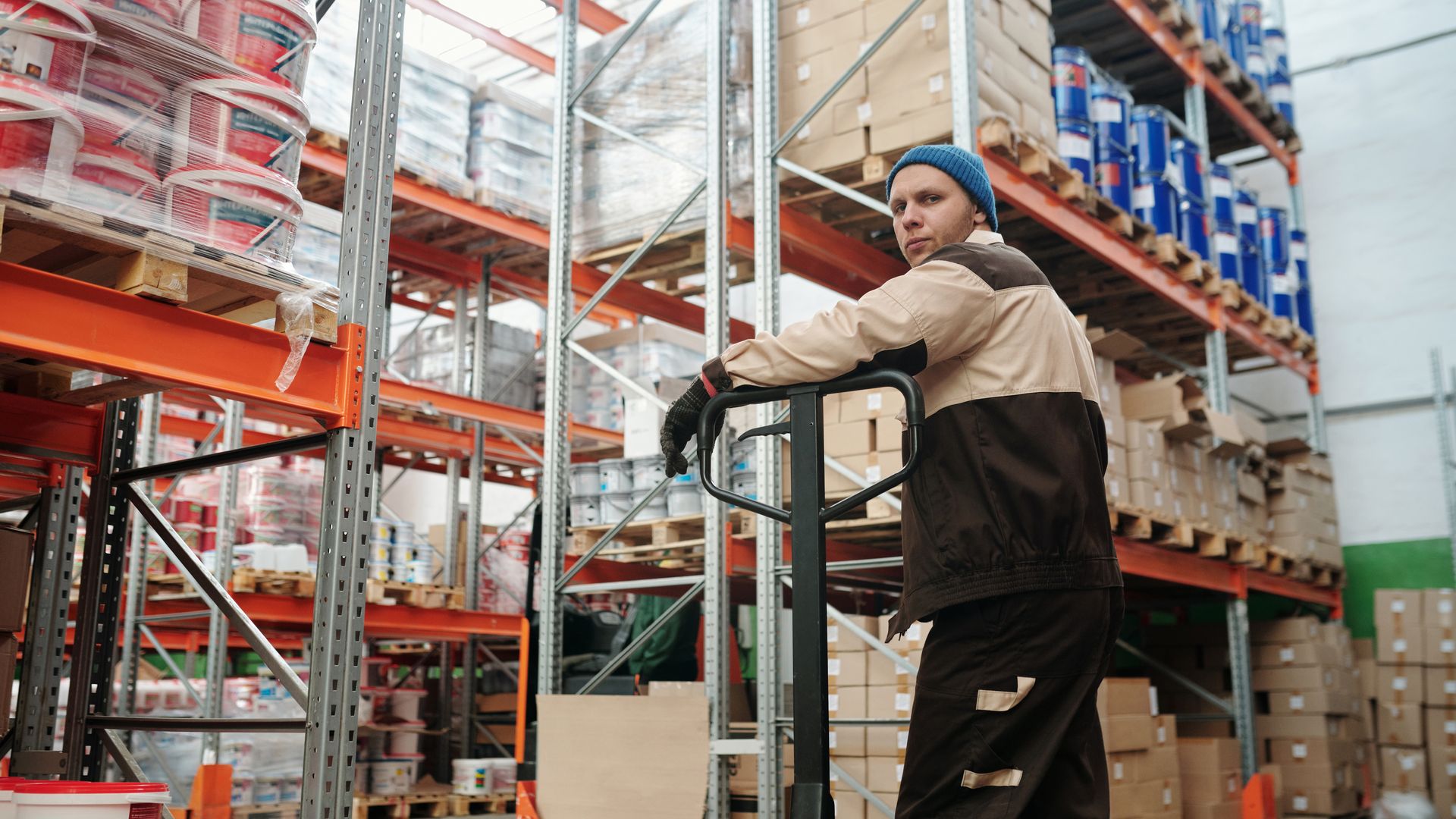
DTC picks by the unit. Wholesale buys by the case — 6, 12, 24 units of one SKU in one master carton. If your 3PL only has eaches on the shelf, every wholesale order becomes manual repacking labor billed as a project. Decide early whether you will receive inventory in both formats or build case packs on demand, and price the difference.
2. Labeling gets prescriptive
DTC packing is a brand experience. Wholesale packing is a compliance exercise. Depending on the buyer you may need carton-level labels with PO number, SKU, quantity and case count; sometimes a GS1-128 or UCC-128 shipping label; sometimes retailer-specific placement rules. Faire is relatively forgiving here; a national retail account is not.
3. Parcel becomes freight
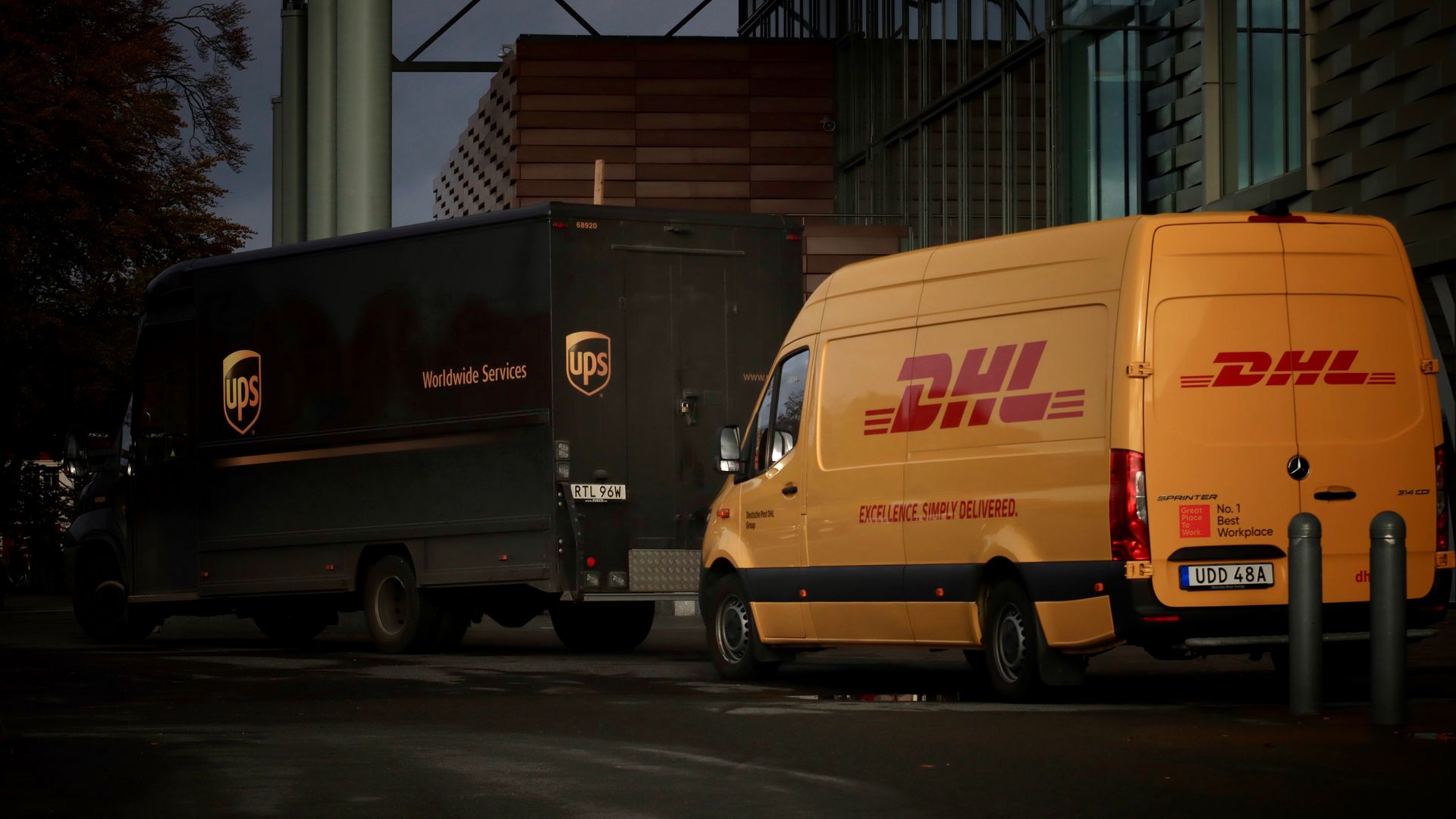
Once an order is more than a few cartons, LTL freight beats parcel on cost — but it introduces pallets, BOLs, freight class, accessorials like liftgate and appointment delivery, and routing guides that tell you which carrier to use. Larger retail buyers frequently require routed freight on their own carrier account, and shipping outside the routing guide is a chargeback.
4. Documents matter
A commercial packing list, an invoice with correct terms, and for some buyers an advance ship notice. Marketplaces like Faire handle invoicing for you, which is a large part of why brands start there. Direct retail does not, and you will need EDI sooner than you expect.
5. Inventory becomes contested
This is the one that actually hurts. A 400-unit wholesale order that clears at 9am can strand your DTC channel for three weeks. You need allocation rules before you need anything else on this list.
How do you run wholesale and DTC from one inventory pool?
Three workable approaches, in ascending order of sophistication:
- Soft reserve. Hold a defined buffer of each SKU for DTC and expose the remainder to wholesale. Simple, and adequate below roughly a dozen wholesale accounts.
- Channel allocation with lead time. Quote wholesale buyers a longer ship window (Faire's standard fulfillment windows help here) and use that window to replenish rather than cannibalize. This is where most growing brands land.
- Separate logical inventory, shared physical inventory. Your WMS tracks two virtual pools in the same physical location, with rules governing transfers between them. This needs a fulfillment platform that supports it — see wholesale inventory management for how the tracking works.
What does not work is discovering the conflict at the moment a buyer places a 50-case order.
What is different about Faire specifically?
Faire is the lowest-friction entry point into wholesale for most DTC brands, and its operational demands are correspondingly light: standard case packs, your own packing list, parcel or freight at your discretion, and Faire handling payment terms and net-60 risk on the retailer side. Order sizes tend to be small — often a few cases — which means many Faire orders still ship by parcel.
The trap is treating Faire's forgiveness as the standard. Brands that scale through Faire and then land a regional chain discover that the chain's routing guide, labeling spec and chargeback schedule are a completely different operational tier. Build the capability while the orders are small.
What should you ask a 3PL before you turn on wholesale?
- Can you receive and store both eaches and case packs of the same SKU, and how is each billed?
- Can you build case packs on demand, and at what rate?
- Do you palletize and book LTL freight, and can you ship on a buyer's routing guide and carrier account?
- Can you apply carton-level and GS1-128 labeling?
- Can you support EDI 850/856/810 when a retail account requires it?
- How do you allocate inventory between my DTC and wholesale channels?
- What does a B2B order cost versus a DTC order, line by line?
Atomix runs B2B and wholesale alongside DTC from the same facilities and the same inventory — palletized shipments, bulk order management, freight booking, and retail-compliant labeling — so adding a wholesale channel does not mean adding a second logistics vendor. Our guides to B2B order fulfillment and wholesale shipping best practices go deeper on each step.
How should you price wholesale fulfillment into your margins?
Wholesale margins are thinner by design — you are typically selling at roughly half of retail — so fulfillment cost per unit matters more than it does in DTC. The good news is that per-unit fulfillment cost usually falls sharply: one pick, one pack and one freight line covering 24 units beats 24 individual pick-pack-ship cycles. Model cost per unit, not cost per order, when you compare the two channels. Our B2B 3PL overview covers the economics.
Frequently asked questions
Does Faire fulfill orders for brands?
No. Faire is a wholesale marketplace that connects brands with retail buyers and handles payment terms and invoicing. You or your 3PL fulfill and ship the orders.
Can a 3PL fulfill both my DTC and wholesale orders?
Yes, and for most growing brands that is the better setup — one inventory pool, one integration, no transfers between facilities. The requirement is that the 3PL genuinely supports case packs, palletization, freight and retail labeling, not just parcel.
What is a case pack?
A fixed quantity of a single SKU packaged together as one sellable unit for wholesale — commonly 6, 12 or 24 units in a master carton with its own barcode.
Do I need EDI for Faire?
No. Faire works through its own portal and integrations. EDI becomes necessary when you sell into larger retail chains that require electronic purchase orders, ship notices and invoices.
What is a chargeback in wholesale fulfillment?
A deduction a retailer takes from your invoice when a shipment violates their vendor requirements — wrong label, wrong carrier, late delivery, missing ASN. They are why retail routing guides deserve to be read carefully before the first shipment, not after.
Should I ship wholesale orders by parcel or freight?
Small orders of a few cases usually ship cheaper by parcel. Once you are palletizing, LTL freight is almost always cheaper per unit. Have your 3PL run both quotes per order rather than defaulting.
Adding a wholesale channel and not sure your current setup can carry it? Talk to Atomix about running DTC and B2B from one pool of inventory.

.svg)
.svg)
.svg)