Toy Fulfillment: How a 3PL Handles CPSC Compliance, Fragile Playsets, and the Q4 Surge
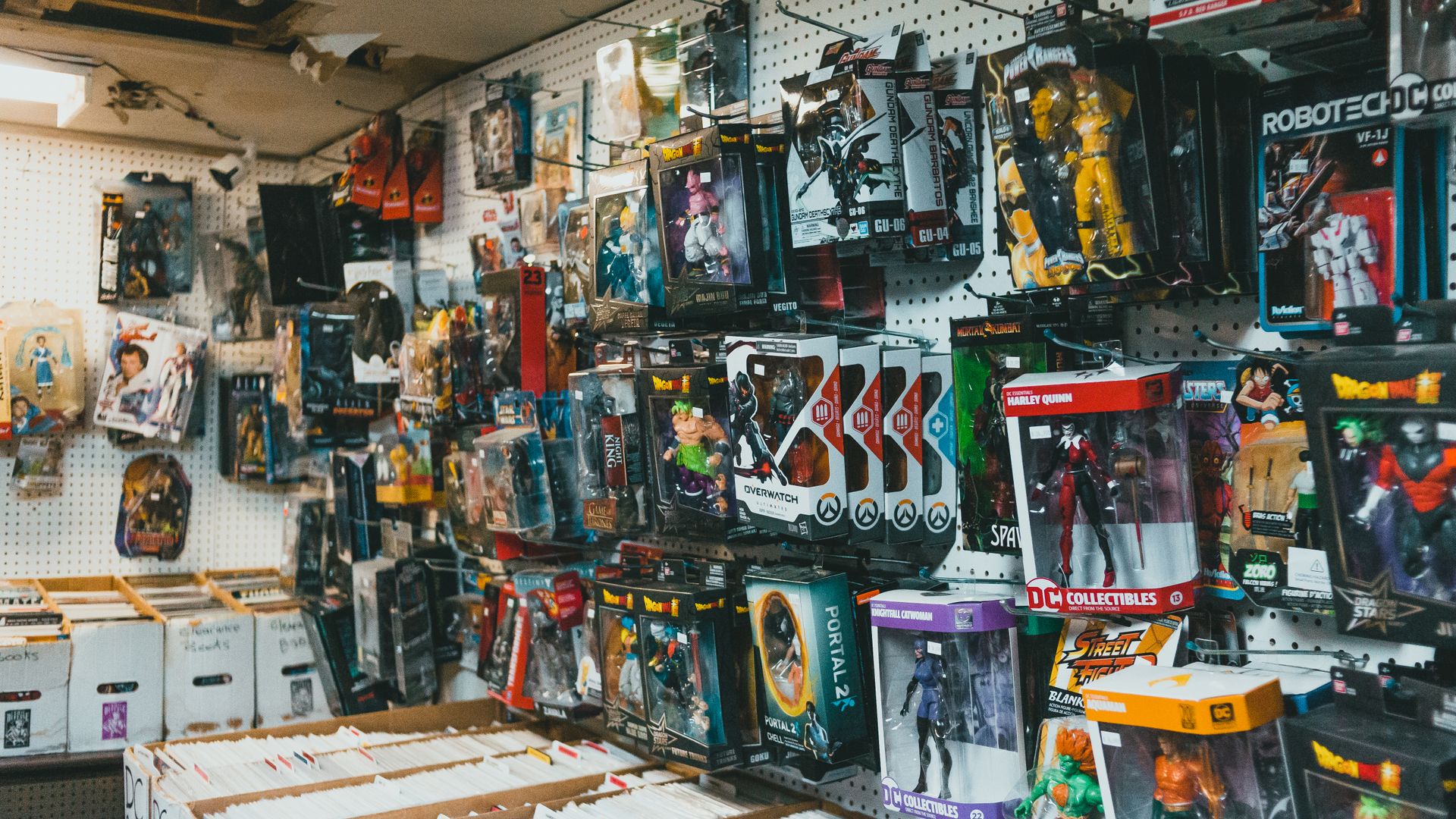
Toy fulfillment is regular ecommerce fulfillment plus three complications: children's product compliance paperwork that has to survive the warehouse, fragile multi-piece packaging that punishes sloppy packing, and a demand curve where a large share of the year's orders arrive in an eight-to-ten-week window. A 3PL that handles toys well solves those three things specifically — it stores and picks by lot or batch so tracking-label data stays intact, it packs boxed goods so the retail packaging arrives sellable, and it staffs and slots inventory for a Q4 peak rather than an average week.
What makes toy fulfillment different from general ecommerce fulfillment?
Three things, in order of how often they cause problems:
1. The retail box is the product
For most toy and game brands, a scuffed or crushed outer box is a return — even when the toy inside is perfect. That pushes toys toward the same packing discipline as beauty and glassware: right-sized cartons, void fill that actually immobilizes the box, and no shipping in the manufacturer's carton as the outer container unless it was designed for it. If you are shipping oversized playsets or ride-ons, the economics change again; see our guide to big and bulky fulfillment.
2. Children's product compliance follows the unit, not the invoice
Under the Consumer Product Safety Improvement Act, products designed primarily for children 12 and under require a Children's Product Certificate based on third-party testing, and the product and its packaging must carry a tracking label identifying the manufacturer or importer, the production location, and the production date or batch. The CPSC has also been moving certificate filing to an electronic portal for imported children's products, which raises the cost of not knowing which batch shipped to whom.
Practically, that means your 3PL needs to receive inventory by batch or lot and keep that association through picking — the same capability used for lot tracking and expiration date management. If a batch has to be pulled, you want a query, not a guess.
3. Demand is not distributed evenly
Toys are the clearest example of a category where holiday sell-through dominates the year. A 3PL that treats your November volume as a surprise will miss cutoffs. The fix is planned: forecast by SKU, land inventory early, slot fast movers close to pack stations, and agree on labor coverage before the peak — the same playbook covered in handling seasonal demand peaks.
What should a toy brand ask a 3PL before signing?
- Can you receive and pick by lot or batch? If the answer is no, CPSIA traceability becomes a spreadsheet exercise you own.
- How do you handle multi-piece and bundled SKUs? Holiday bundles, starter sets, and retailer-specific packs need kitting and assembly, ideally priced per unit, not per hour of chaos.
- What is your peak-season plan and when do you freeze onboarding? Most 3PLs stop taking new accounts sometime in the fall. Ask for the date in writing.
- Do you support retail and wholesale routing? If you sell into big-box, chargebacks for label and routing errors can wipe out the margin on the order.
- How is storage billed? Toys are bulky relative to their value. Understand pallet, shelf, and bin rates before you land a container — see our breakdown of 3PL storage fees.
How do you keep toy fulfillment costs under control?
The cost drivers for toys are dimensional weight, storage, and returns — in that order for most brands.
Dimensional weight
Toy packaging is designed for shelf presence, not for cube efficiency. Carriers bill on dimensional weight when the box's volume exceeds its actual weight, which is the normal case for toys. Reducing carton sizes and using a right-sized carton library is usually the single biggest parcel saving available to a toy brand.
Storage
Landing a full year of inventory in August is expensive; landing it in November is risky. Most brands settle on staged inbound — enough to cover the peak ramp, with a second container timed to arrive mid-peak. Your 3PL should be able to model the storage cost of each option before you commit.
Returns
Post-holiday returns are a January reality. Decide in advance what gets restocked, what gets repackaged, and what gets written off, and make sure the disposition rules are in your 3PL's system rather than in someone's head. Our guide to seamless returns and exchanges covers the workflow.
When does a toy brand outgrow self-fulfillment?
The usual trigger is not order volume — it is the peak. Brands that comfortably ship 40 orders a day from a garage in July discover they cannot ship 400 a day in December, and the failure shows up as missed delivery promises during the only weeks that matter. If your Q4 daily peak is more than roughly five times your off-season average, and you do not have space and labor you can scale to it, outsourcing before the peak is far cheaper than outsourcing during it. Our guide on choosing the right fulfillment model walks through the decision.
How long does it take to onboard a toy brand to a 3PL?
Plan on four to eight weeks from signature to first live orders for a typical catalog: store integration and order sync, SKU setup with dimensions and barcodes, an inbound receiving appointment, and a test order cycle. If you are targeting Black Friday, that math means starting in the summer, not in October. See how to send inventory to a 3PL for what the inbound side requires.
Frequently asked questions
Do toys need special certifications to be stored in a warehouse?
The warehouse itself does not need a toy-specific certification. The compliance obligation sits with the manufacturer or importer: certificates based on third-party testing and tracking labels on the product and packaging. What you need from the warehouse is the ability to preserve batch identity so you can act on that paperwork.
Can a 3PL apply tracking labels for me?
Many can, as a value-added service, but it is far cheaper to have labels applied at the factory. Treat warehouse labeling as a fix for inherited inventory, not as your standard process.
What about toys with batteries?
Products containing lithium batteries have their own shipping rules and packaging requirements. If your catalog includes electronics or battery-powered items, confirm your 3PL has handled them before — our post on shipping hazmat covers the basics.
Is kitting worth paying for?
If your bundles sell, yes. Pre-kitting turns a three-pick order into a one-pick order, which reduces both pick cost and mis-pick risk during exactly the weeks when accuracy matters most.
The short version
Toy fulfillment rewards preparation more than almost any other category. Get batch traceability right, get carton sizes right, and get your inventory and labor plan locked before the peak — and the eight weeks that make your year stop being the eight weeks that break your operation.
Atomix runs pick, pack, ship, kitting, and returns for growing consumer brands out of fulfillment centers in Milwaukee, Salt Lake City, and Baltimore, with no long-term contract required. Talk to our team about your Q4 plan.

.svg)
.svg)
.svg)