3PL vs Freight Forwarder: Who Handles What When You Import Inventory
Short answer: A freight forwarder moves your goods from the factory to the destination country: it books ocean or air space, prepares shipping documents and coordinates the handoffs between carriers. A 3PL takes over once inventory reaches its warehouse: it receives, stores, picks, packs and ships to your customers or retailers. A licensed customs broker, often working with or inside the forwarder, files your import entry with U.S. Customs and Border Protection. Most importing ecommerce brands need all three roles. The question is who covers which handoff, and who is accountable when something slips between them.
What does a freight forwarder do?
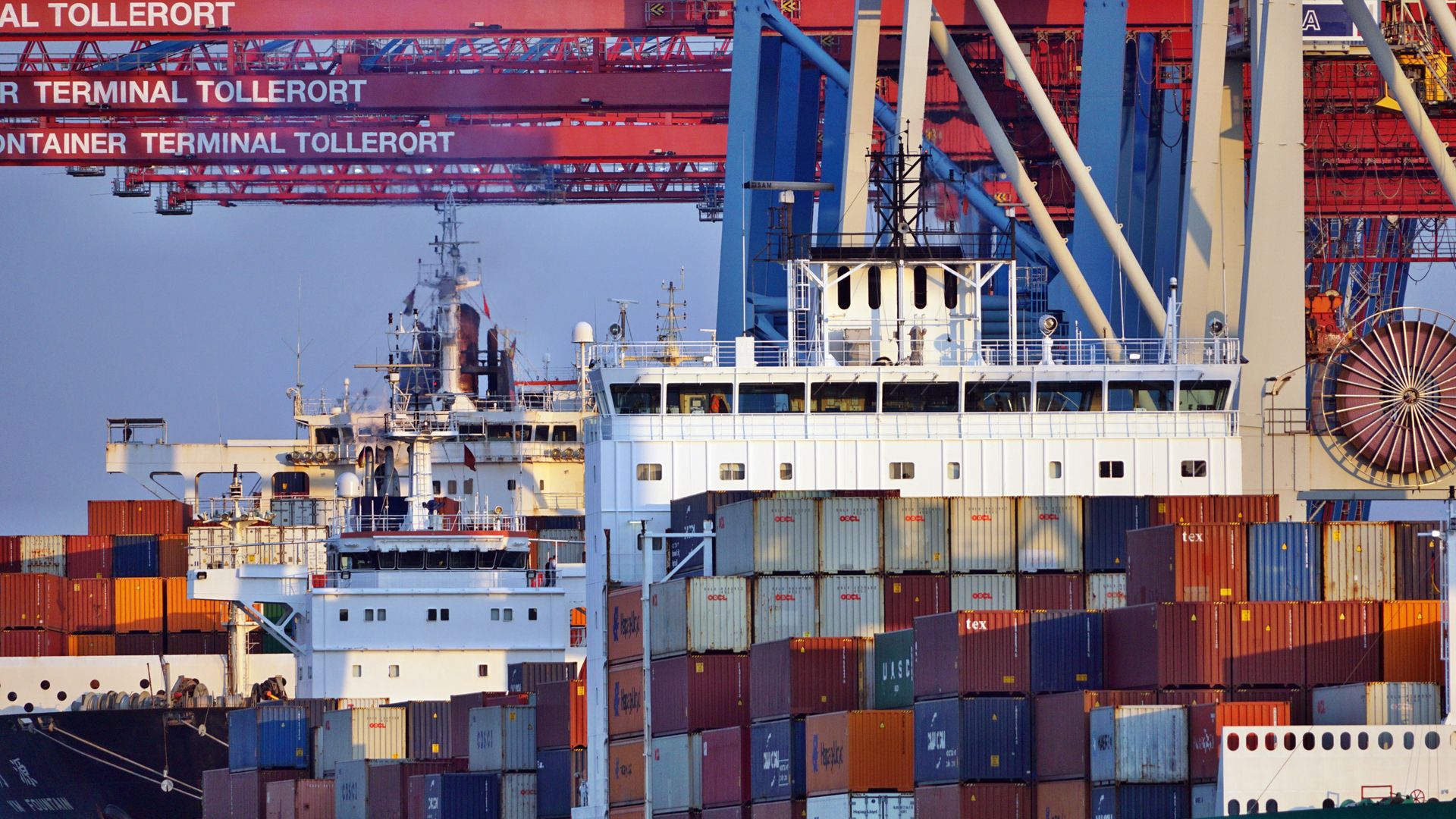
A freight forwarder arranges international transportation on your behalf. In ocean freight, the Federal Maritime Commission groups forwarders and non-vessel-operating common carriers (NVOCCs) together as ocean transportation intermediaries. An ocean freight forwarder arranges cargo movement and books space with carriers for shippers, while an NVOCC acts as a carrier to the shipper and issues its own house bill of lading, without operating the vessels. U.S.-based ocean freight forwarders and NVOCCs must be licensed by the FMC.
Typical forwarder tasks include:
- Quoting and booking ocean (full container or consolidated) or air freight.
- Coordinating pickup at the factory and origin port handling.
- Preparing or collecting shipping documents such as the bill of lading and commercial invoice.
- Tracking the shipment and arranging delivery from the destination port, often through a drayage trucker.
What does a 3PL do?
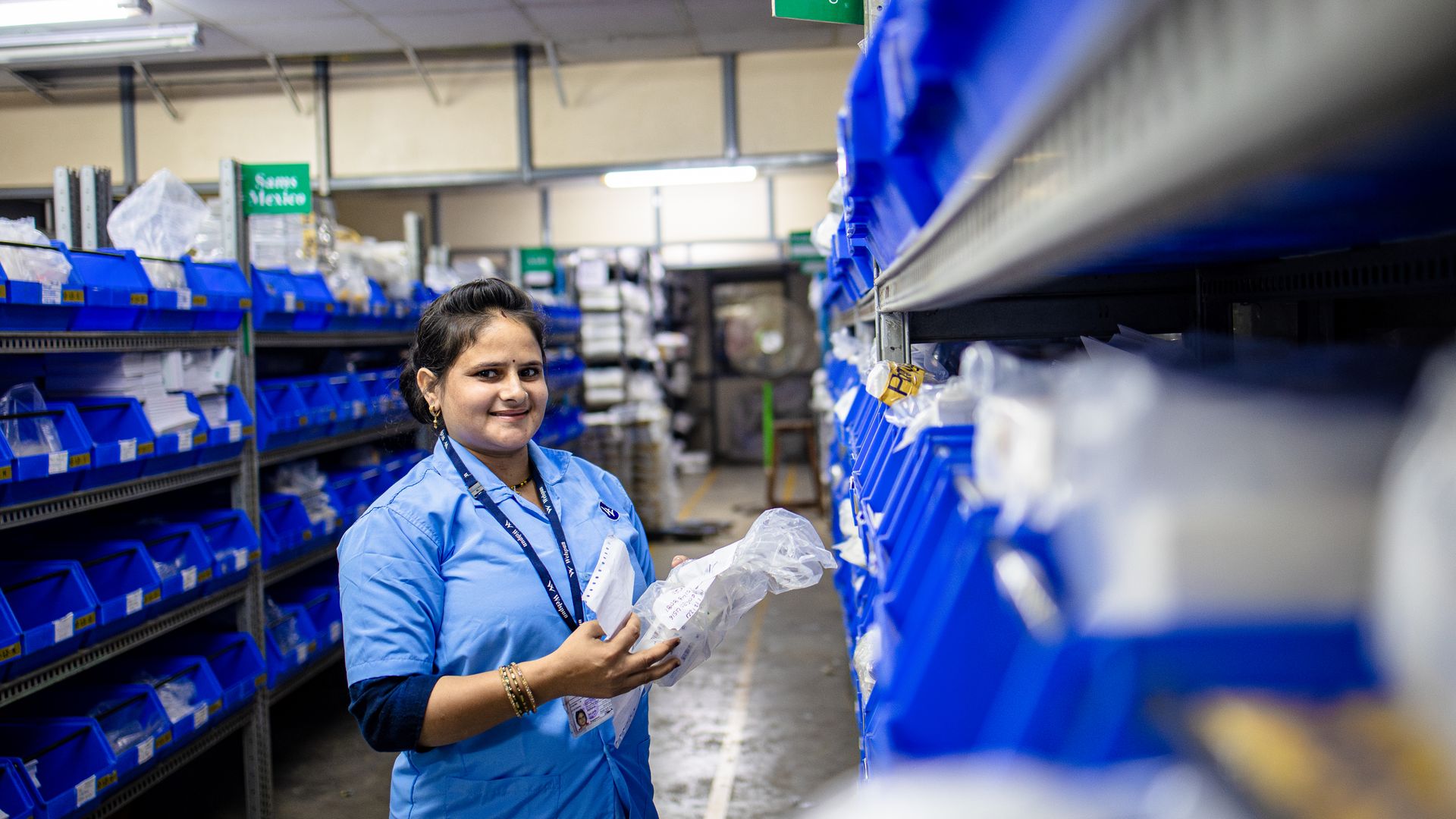
A third-party logistics provider runs the warehouse side of your business. Once your inventory arrives, the 3PL receives and counts it, puts it away, keeps it accurate, and ships orders to customers, marketplaces and retailers. Many 3PLs also handle kitting, returns, FBA prep and domestic freight such as LTL shipments to retailers. For the full split of responsibilities, see what your 3PL handles and what your team still owns.
Where does a customs broker fit?
Customs brokers are licensed and regulated by U.S. Customs and Border Protection to help importers meet federal requirements, and they submit the required entry information and payments to CBP for their clients. Many freight forwarders have licensed brokers in-house or work with a partner, which is why the two roles are often bundled. You, or the party you designate, remain the importer of record responsible for the entry. Getting classification right starts with your HTS codes.
3PL vs freight forwarder: who handles each step?
| Step | Usually handled by | What can go wrong |
|---|---|---|
| Factory pickup and export | Freight forwarder (or supplier, depending on Incoterms) | Unclear Incoterms leave nobody owning the first mile |
| Ocean or air booking | Freight forwarder or NVOCC | Rolled bookings during peak season delay arrival |
| Customs entry and duties | Licensed customs broker | Wrong classification or missing documents trigger holds |
| Port to warehouse (drayage) | Forwarder-arranged trucker or a drayage carrier | Demurrage and detention fees if the container sits |
| Warehouse delivery appointment | Trucker and 3PL together | Missed appointments and refused deliveries |
| Receiving and put-away | 3PL | No ASN, mixed SKUs in cartons, missing labels |
| Storage, picking and shipping to customers | 3PL | Stock not sellable until receiving is complete |
| Domestic LTL to retailers or Amazon | 3PL or a freight broker | Retailer routing guide violations and chargebacks |
Where do handoffs between the forwarder and the 3PL break?
The most expensive problems happen at the warehouse door, after the forwarder considers the job done and before the 3PL has the goods in its system:
- No advance shipping notice. If the 3PL doesn't know what is in the container, receiving slows down and discrepancies are hard to prove. Send a carton-level ASN before the container arrives at the warehouse. Our guide on how to send inventory to a 3PL covers the format.
- Floor-loaded containers. Loose cartons take far longer to unload than pallets. Confirm the 3PL's unloading charges and turn time for floor loads before you book.
- Mixed or unlabeled cartons. One SKU per carton, with a scannable label, is the single biggest factor in how fast stock becomes sellable.
- Free time running out. Ports and carriers allow limited free days before demurrage and detention start. If the warehouse can't take the container quickly, those fees land on you. See drayage costs from port to 3PL.
- Damage with no record. Agree in advance on who photographs and documents damage at delivery, so a claim against the carrier or forwarder is possible.
Do you need both a 3PL and a freight forwarder?
If you manufacture overseas and sell in the U.S., you almost always need both functions. What varies is how many companies perform them:
- Separate providers. You hire a forwarder and a 3PL independently. This gives you the most choice, but you coordinate the handoff yourself.
- A 3PL that books freight through a partner. Some 3PLs coordinate international freight and customs through a forwarding partner, so inbound timing, documents and receiving are planned together. You still pay for each service, but one team owns the handoff.
- A 4PL. A fourth-party provider manages several logistics partners on your behalf. It can make sense for complex, multi-country supply chains. See 3PL vs 4PL for that comparison.
Whichever route you choose, budget for the full landed cost of each unit, not only the ocean rate. Landed cost in 2026 breaks down duties, freight, drayage and receiving.
What questions should you ask each provider?
Questions for a freight forwarder
- Are you FMC-licensed as an ocean freight forwarder or NVOCC, and who files my customs entries?
- Which fees are included in your quote: origin charges, documentation, customs brokerage, drayage?
- How much free time do I get at the port, and how do you help me avoid demurrage?
- Will you send my 3PL a delivery appointment request and the packing list before arrival?
Questions for a 3PL
- What are your receiving fees for floor-loaded containers versus pallets, and your typical turn time?
- What ASN format do you need, and how far in advance?
- How fast does received inventory become sellable?
- Can you coordinate inbound freight, or do I manage the forwarder separately?
How does Atomix work with freight forwarding?
Atomix is a 3PL with fulfillment centers in Milwaukee, Wisconsin; Salt Lake City, Utah; and Baltimore, Maryland. For international shipments, ocean and air freight, customs brokerage and clearance are handled by its partner RIM Logistics, and Atomix coordinates domestic freight, including supplier inbound to its warehouses, LTL and truckload to Amazon fulfillment centers, and retail freight booked to purchase order guidelines. Freight quotes are sent before anything is booked. Once inventory arrives, receiving status is visible in the Atomix App, and Atomix reports an average dock-to-stock time of 48 hours or less, based on aggregate client performance for 2024 and 2025.
Frequently asked questions
Is a freight forwarder a 3PL?
Some companies describe freight forwarding as a third-party logistics service, but in ecommerce the term 3PL usually means a warehousing and fulfillment provider. A forwarder moves goods between countries; a fulfillment 3PL stores them and ships orders.
Can a 3PL clear customs for me?
Only if it is, or works with, a licensed customs broker. Ask who files your entry and confirm that your importer of record details are set up before the goods ship.
Who pays demurrage if the warehouse is backed up?
Usually the importer, unless your agreements say otherwise. Book delivery appointments early and confirm the 3PL's receiving capacity before the container arrives.
Do I need a freight forwarder for domestic shipments?
Generally no. Domestic moves such as LTL shipments to retailers are typically booked through a carrier, a freight broker or your 3PL. See the guide to LTL freight.
Importing your next production run? See how Atomix coordinates inbound freight and fulfillment.
Sources: Federal Maritime Commission, Ocean Transportation Intermediaries; U.S. Customs and Border Protection, Becoming a Customs Broker; Atomix Logistics freight services page and homepage (atomixlogistics.com, accessed October 2026).