Ecommerce Shipping Insurance: What Carriers Actually Cover, When to Pay for It, and How to File a Claim
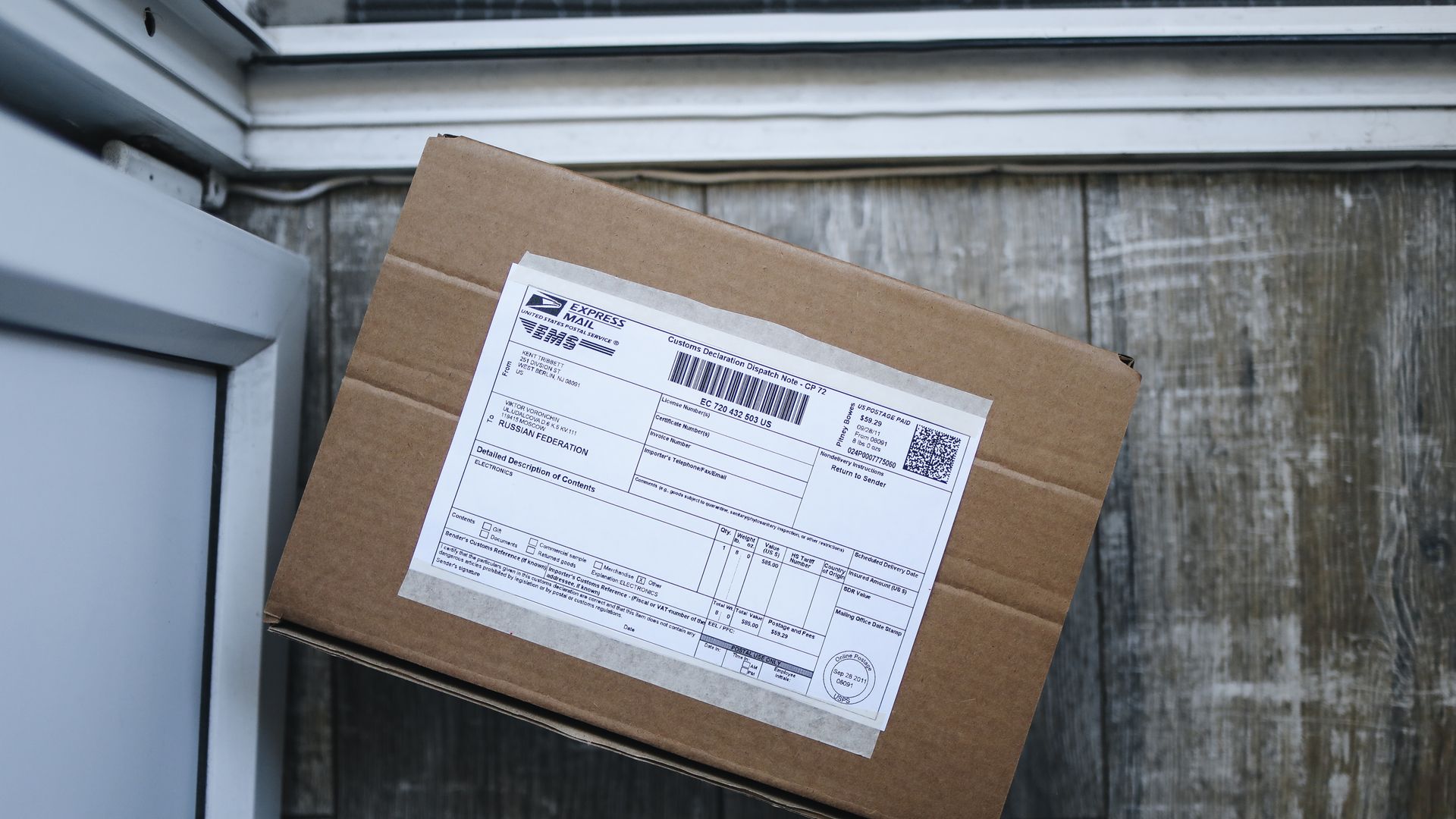
Short answer: the coverage most brands think they have is not insurance at all. UPS, FedEx, and USPS include up to $100 of protection on most shipments by default, but for UPS and FedEx that number is a declared value — a cap on the carrier's liability, not a policy that pays out. If the carrier can show the box was packed improperly, or the tracking says delivered, your claim can be denied even though you paid for the coverage. That distinction is the difference between a claims process that reimburses you and one that quietly costs you margin every month.
What is the difference between declared value and shipping insurance?
Declared value is the maximum amount a carrier will pay if it loses or damages your package. It is a ceiling on liability, and the carrier still decides whether it was at fault. Third-party shipping insurance is an actual policy underwritten by an insurer: you pay a premium, and covered losses are paid according to the policy terms rather than the carrier's fault determination.
That difference matters most in the two scenarios that account for the bulk of ecommerce claims:
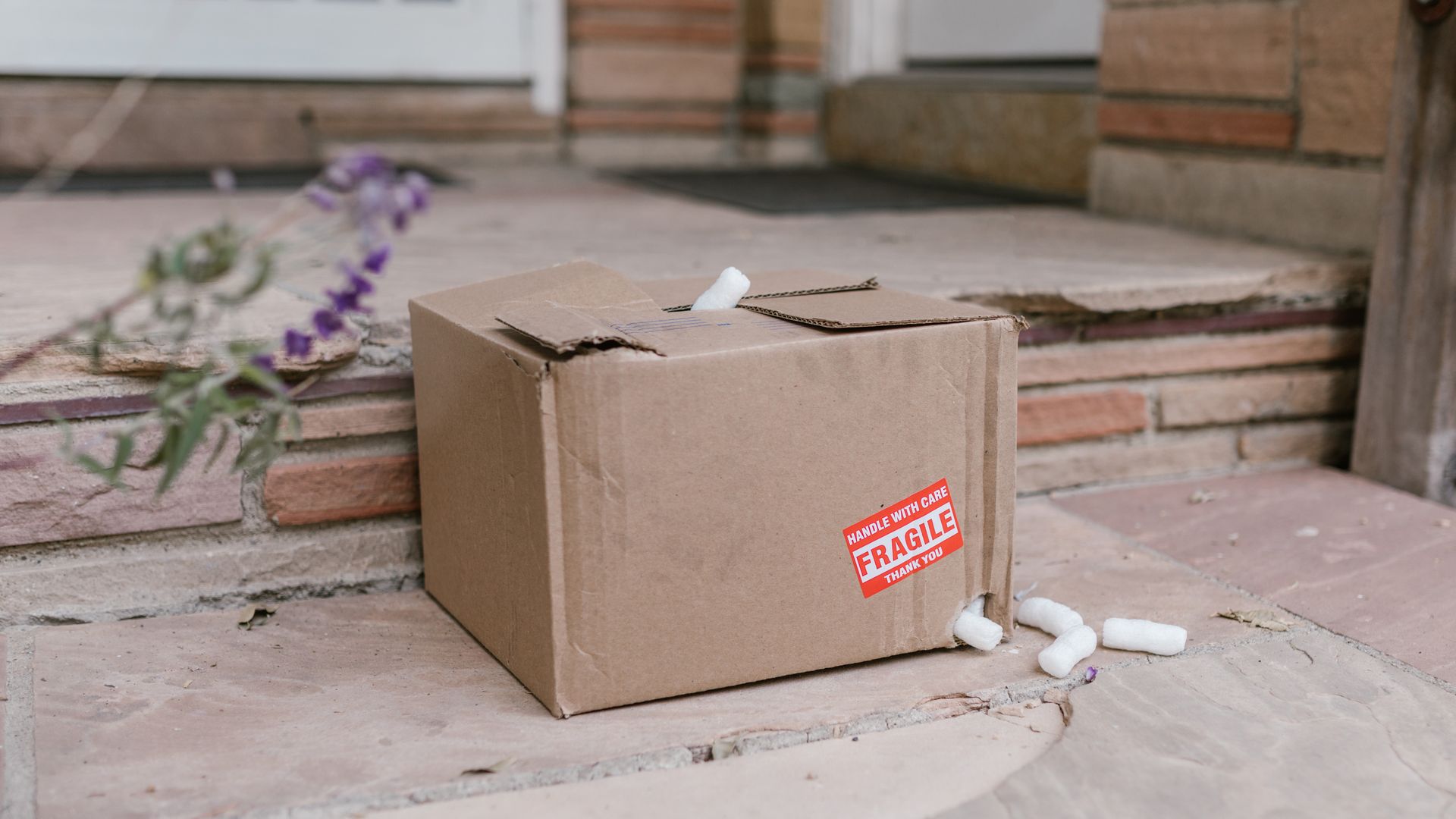
- Packaging disputes. A carrier can deny a damage claim on the grounds that the item was insufficiently protected. A third-party policy may still cover it, though most also have packaging requirements.
- Marked delivered but missing. Carrier liability generally ends at a scan showing delivery. Porch theft is not a carrier failure, so declared value does nothing. Many third-party policies cover it explicitly.
What do UPS, FedEx, and USPS include by default?
All three major carriers build a baseline into their standard rates:
- UPS and FedEx: up to $100 of declared value per package at no additional charge.
- USPS: up to $100 of included insurance on Priority Mail, Priority Mail Express, and Ground Advantage.
The ceilings differ significantly at the top end. UPS and FedEx both allow declared values up to roughly $50,000 depending on the commodity and destination, while USPS caps at $5,000. Certain categories are capped far lower — artwork, jewelry, watches, gemstones, precious metals, and collectibles are typically limited to around $1,000 in carrier recovery regardless of what you declare. If you ship high-value jewelry, that cap is the single most important number in this article.
What does extra declared value cost?
UPS's 2026 structure is representative: the first $100 is free, shipments declared between $100.01 and $300 carry a flat fee of $5.10, and above $300 the charge is $1.70 for every $100 of declared value. FedEx and USPS publish their own tiers, and all three change annually — verify the current table on the carrier's own site before you model it. Carrier rate and surcharge changes are a recurring line item, and we cover the broader pattern in our guide to 2026 peak season shipping surcharges.
When is shipping insurance worth paying for?
Run the math rather than the instinct. The break-even question is simple: does the annual premium cost less than the annual value of unrecovered loss and damage?
To answer it you need three numbers you should already be tracking:
- Claim rate — the percentage of shipments that go missing or arrive damaged.
- Average cost per incident — replacement COGS plus the reship cost, not retail price.
- Recovery rate — how often you actually get paid when you file.
Coverage generally pays for itself when your average order value sits meaningfully above the free $100 baseline, when your product is fragile or temperature-sensitive, when you ship internationally, or when your claim rate runs high because of the category you are in. It rarely pays for itself on low-AOV, durable goods shipped domestically. For those, self-insuring and simply reshipping is almost always cheaper than premiums plus administrative time.
What about self-insuring?
Plenty of brands running high volume on sub-$50 orders decide to absorb losses directly and reship without argument. That is a legitimate strategy, and it is often the better customer experience, because it removes the claims delay entirely. The risk is concentration: one pallet lost in transit or one damaged inbound container can wipe out a year of savings. Self-insure the parcel layer, and cover the freight and inbound layer separately.
What does shipping insurance not cover?
Nearly every policy and carrier tariff excludes a similar set of situations. Read your specific terms, but expect exclusions for:
- Inadequate or improper packaging — the most common denial reason by a wide margin
- Items on the carrier's prohibited or restricted list
- Perishables and temperature-sensitive goods without a specific endorsement
- Losses reported after the filing deadline has passed
- Incorrect or incomplete addresses supplied by the shipper
- Consequential damages — lost sales, lost customers, reputational harm
That first bullet is worth dwelling on. Packaging is the lever you control entirely, and it is the reason most claims fail. Our ecommerce packaging guide covers the fundamentals, and what dunnage is and how to use it covers the void fill that determines whether a box survives a drop test.
How do you file a shipping claim that actually gets approved?
Claims are won on documentation gathered before you need it. Build the habit into your fulfillment workflow rather than scrambling after the fact.
- Document at pack-out. Photograph the packed carton and retain the packing slip. A 3PL with a decent WMS timestamps this automatically — see what a warehouse management system does.
- Capture damage evidence immediately. Photos of the outer carton, the internal protection, and the damaged item, plus the shipping label showing tracking.
- Pull the commercial proof. An invoice or receipt showing actual value. Carriers reimburse cost, not retail.
- File inside the window. Deadlines are short and strictly enforced. Damage claims typically must be filed within days of delivery, and loss claims have their own waiting period before you are even permitted to file. Check the current window on the carrier's site rather than assuming.
- Hold the packaging. Carriers can request inspection. Discarding the box ends the claim.
- Track and escalate. Log every claim with a reference number and a follow-up date. Unworked claims expire.
How does a 3PL change the claims picture?
Working with a fulfillment partner shifts several of these variables in your favor:
- Packaging consistency. Standardized carton and dunnage specs applied to every order remove the single most common denial reason.
- Evidence by default. Pick, pack, and ship events are logged with timestamps and often images, so documentation exists whether or not anyone expected a claim.
- Negotiated carrier rates. Declared value fees scale with volume, and aggregated volume generally prices better than a single brand's account. See how 3PL partnerships reduce shipping costs.
- Claims administration. Filing is time-consuming and easy to deprioritize. Many 3PLs, Atomix included, handle filing on your behalf.
A partner does not make the exclusions disappear. It makes you far less likely to trip over them.
Frequently asked questions
Is shipping insurance the same as declared value?
No. Declared value caps what a carrier will pay if it is found at fault. Shipping insurance is a policy that pays covered losses according to its own terms, generally including situations like theft after delivery that carrier liability excludes.
Does shipping insurance cover stolen packages?
Carrier declared value usually does not, because liability ends at the delivery scan. Many third-party policies do cover post-delivery theft, but confirm it explicitly rather than assuming.
How much shipping insurance do I need?
Insure to your cost of goods plus outbound shipping, not your retail price. Carriers and insurers reimburse demonstrable cost, so declaring retail means paying premiums on value you cannot recover.
Who pays for shipping insurance, the brand or the customer?
Most brands absorb it into landed shipping cost rather than exposing it at checkout, because an insurance line item reduces conversion. Some offer it as an optional add-on. Our post on offering free shipping without losing profit covers how to fold cost into price.
Should I insure inbound freight to my 3PL?
Usually yes. Inbound shipments concentrate far more value in a single movement than any parcel does, and cargo coverage is priced differently from parcel coverage. See how to send inventory to a 3PL for the rest of that checklist.
The operator's takeaway
Shipping insurance is a math problem, not a peace-of-mind purchase. Measure your claim rate and your average incident cost, compare it honestly to premiums, then spend your energy on the thing that actually moves the number: packaging standards and documentation discipline. Most brands that feel underinsured are really under-documented.
If you want a second read on your loss rate and whether coverage is earning its keep, talk to the Atomix team.

.svg)
.svg)
.svg)