Electronics Fulfillment: How a 3PL Handles Serial Numbers, ESD, and Battery Rules
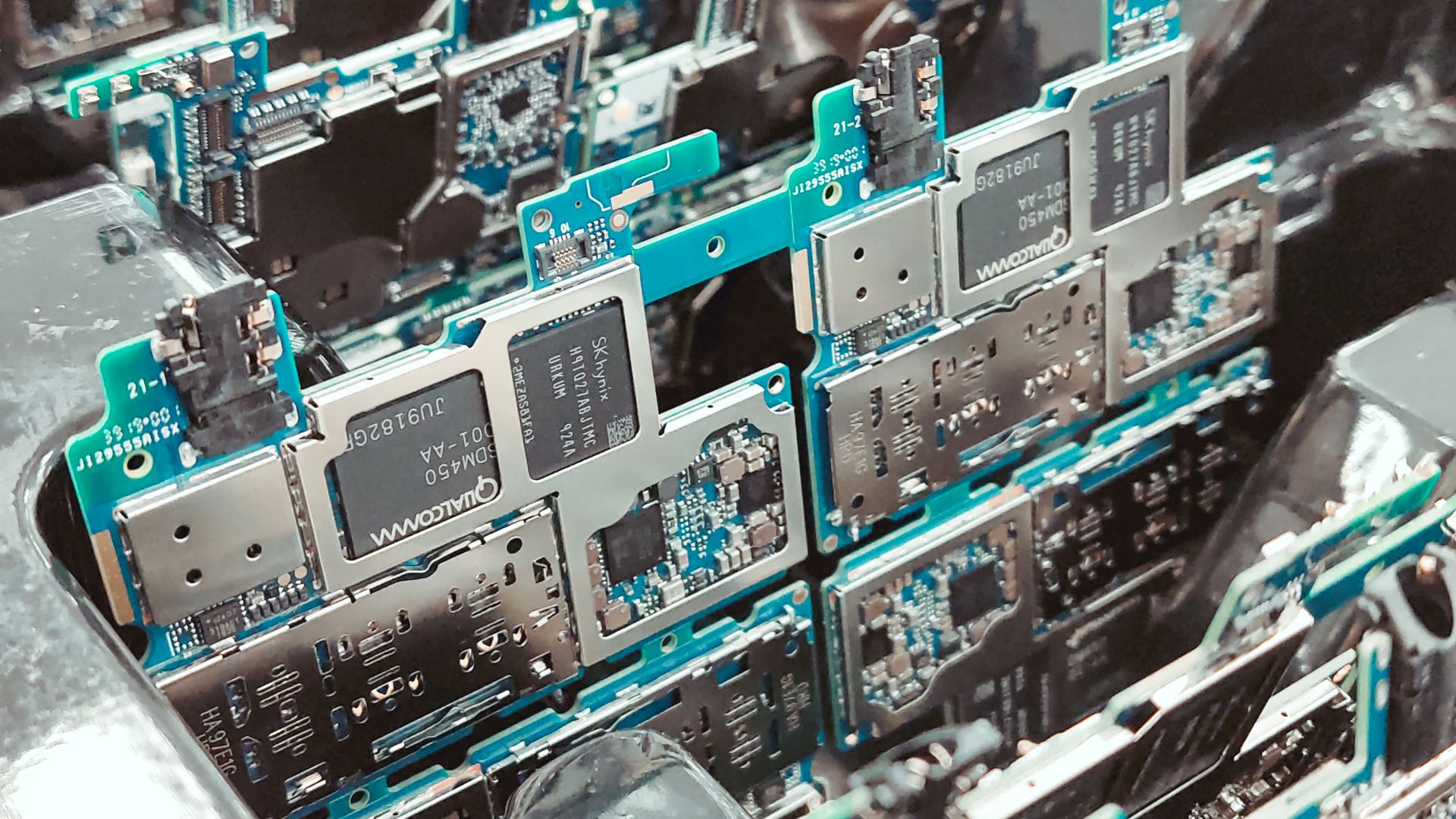
Electronics fulfillment is order fulfillment for consumer electronics and devices, where the warehouse has to handle four things a general 3PL usually does not: serial number capture at pick, electrostatic discharge (ESD) protection, lithium battery shipping rules, and secure storage for high-value inventory. Miss any one of them and the failure is expensive — a warranty claim you cannot verify, a dead unit, a rejected shipment, or shrink.
If you sell anything with a chip and a battery in it, the question to ask a prospective 3PL is not whether they can pick and pack. It is whether they can tell you which serial number went to which customer.
Why does serial number tracking matter so much?
Serialized tracking is what makes warranty, RMA, and fraud handling possible. Without a serial captured at outbound, you cannot answer three questions that come up constantly:
- Is this unit actually one we sold, and is it still in warranty?
- Did this customer return the same unit they were shipped, or a different one?
- Which customers received units from the batch with the defective component?
That last one is the electronics equivalent of a lot recall. The capability is closely related to what we describe in lot tracking and expiration date management — same principle, applied to a unique identifier per unit rather than a batch.
The practical test: ask whether serials are scanned at receiving, at pick, or both, and whether you can query serial-to-order in a report without asking a human.
What is ESD protection and does your 3PL actually do it?
Electrostatic discharge can damage semiconductors without any visible sign. The unit ships, arrives, and fails — and it gets counted as a manufacturing defect rather than a handling failure. For bare boards, components, and anything with exposed contacts, ESD control means:
- ESD-safe bags or packaging that stays on until the customer opens it
- Grounded workstations and wrist straps for staff handling unpackaged product
- ESD-safe totes and bins rather than standard plastic
- Humidity in a range that does not encourage static buildup
Fully enclosed consumer goods in retail packaging generally do not need this. Boards, modules, and open-frame products do. Be specific about which of your SKUs are at risk rather than asking for blanket ESD handling you may not need and will pay for.
How do lithium battery shipping rules affect fulfillment?
Lithium-ion and lithium-metal batteries are regulated as hazardous materials. The rules vary by whether the battery is shipped alone, packed with equipment, or contained in equipment, by watt-hour rating, and by transport mode — ground versus air is a meaningful distinction, and air is far more restricted.
What this means operationally:
- Correct marking and labeling. Lithium battery marks and, where applicable, hazard class labels must be on the outer package.
- Trained staff. Personnel preparing these shipments need hazmat training appropriate to what they are shipping.
- Mode restrictions. Some battery configurations cannot move by air at all, which constrains your expedited shipping options and your international routing.
- Carrier-specific rules. Individual carriers layer their own requirements on top of the regulations, and they change.
Do not accept a vague yes here. Ask which of your specific SKUs the 3PL has shipped, by which mode, and who on staff holds current hazmat training. Our hazmat shipping guide covers the broader category. Regulations are updated regularly — verify current requirements with your carrier and a qualified hazmat advisor rather than relying on a summary.
How should high-value electronics be stored?
Electronics have a high value-to-cube ratio, which makes them a shrink target. Reasonable controls:
- Caged or restricted-access storage for high-value SKUs
- Camera coverage over pick and pack stations for those items
- Serialized scan at pick, which creates individual accountability
- More frequent cycle counts on high-value SKUs than on the general population
That last point is worth planning deliberately — see how to prevent inventory shrinkage.
How should electronics returns be handled?
Electronics returns split into categories that need different routing, and lumping them together is how brands lose money:
- DOA / defective. Needs functional testing, not just visual inspection. Route to a test bench or back to the manufacturer, never straight to sellable stock.
- Unopened, factory sealed. Seal intact and serial verified against the original order — this is the only category that should go back to A-stock.
- Opened but functional. Requires data wiping if the device stores anything, testing, and repackaging. Sells as open-box, not new.
- Damaged. Salvage or dispose.
Data wiping is not optional on any device with storage. A returned unit resold with the previous owner's data on it is a serious problem, and it is the step most likely to be skipped by a warehouse that treats electronics like any other return. Confirm it is a written step in the SOP. Our reverse logistics guide covers how returns should flow.
What packaging do electronics need?
- Adequate void fill. Electronics fail from shock and vibration. A unit rattling in an oversized box will arrive damaged.
- Discreet outer packaging. Do not advertise a valuable device on the outside of the box; it invites theft.
- Moisture control for anything sensitive, particularly on international lanes.
- Signature or delivery confirmation above a value threshold you set.
What should you ask an electronics 3PL?
- Do you capture serial numbers at receiving, at pick, or both — and can I pull a serial-to-order report myself?
- Which of my SKUs would you handle as ESD-sensitive, and what does that handling involve?
- Who on your staff has current hazmat training, and which battery configurations have you shipped?
- Is there secure or caged storage available, and what does it cost?
- What is your returns process for a device with onboard storage?
- How often are high-value SKUs cycle counted?
Frequently asked questions
What is electronics fulfillment?
Third-party fulfillment adapted for consumer electronics and devices — adding serialized tracking, ESD-safe handling, hazmat-compliant battery shipping, secure storage, and functional testing on returns to the standard receive, pick, pack, and ship process.
Can a 3PL ship products with lithium batteries?
Yes, if the facility has hazmat-trained staff and follows current regulations for marking, labeling, and mode restrictions. Confirm training status and which battery configurations they have actually shipped rather than accepting a general yes.
Do all electronics need ESD packaging?
No. Bare boards, components, and products with exposed contacts do. Fully enclosed consumer devices in retail packaging generally do not. Identify which of your SKUs are genuinely at risk so you are not paying for handling you do not need.
How do 3PLs handle electronics warranties?
By capturing the serial number at outbound and tying it to the order. That record is what lets you confirm a warranty claim is for a unit you sold, within the covered window, and lets you detect returns of a different unit than the one shipped.
What happens to open-box electronics returns?
They should be tested, data-wiped if they contain storage, repackaged, and graded as open-box rather than returned to new stock. A 3PL that restocks opened electronics as new is creating warranty and data-privacy exposure for you.
Fulfillment for devices, not just boxes
Atomix Logistics handles serialized inventory, secure storage, and returns processes built around testing rather than a quick visual check — with transparent per-line pricing and no long-term contract. If you want to walk through your SKU list and battery configurations, get a quote.

.svg)
.svg)
.svg)