Returns Processing: How Long It Takes a Returned Order to Go Back on Sale — and What Each Step Costs

Short answer: A returned unit is not inventory until someone receives it, inspects it, dispositions it, and puts it away. In a well-run operation that whole cycle runs a few business days after the parcel arrives at the warehouse. In a poorly-run one it is two to four weeks, and the cost is not the labor — it is the stockout on a SKU you already own and cannot sell. If your returns show as "received" in your helpdesk but not as sellable in your storefront, the gap is sitting in one of the seven steps below.
Why returns processing speed is an inventory problem, not a customer-service problem
Returns are not a rounding error. The National Retail Federation put returns at roughly 15.8% of total U.S. retail sales — about $849.9 billion — and online return rates run substantially higher than in-store, with common estimates for ecommerce in the high teens to around 20% of online sales. Category matters enormously: apparel and footwear sit far above electronics and beauty.
Do the arithmetic on your own business. If you return 18% of units and it takes 21 days to make a returned unit sellable, then roughly one in a hundred units you own is permanently invisible to your storefront — permanently, because the queue never empties. On a fast-moving SKU that is the difference between a stockout and a sale.
What are the seven steps, and how long does each take?
Step 1: Authorization
Customer requests the return, you approve it and issue a label. Instant if automated through a returns portal, one to two days if a human reads every email. This step costs almost nothing and is the easiest to fix.
Step 2: Transit back to the warehouse
Typically two to seven days depending on the return method and service level. Largely outside your control, though return-to-warehouse routing beats routing everything to one distant location. Cost: the return shipping label, if you pay for it.
Step 3: Receiving
The parcel arrives, gets scanned against an RMA, and enters the returns queue. This should happen the same day it lands on the dock. When it does not, everything downstream inherits the delay. Billed per return received.
Step 4: Inspection and grading
Someone opens the parcel and decides condition: new and sellable, sellable after light refurbishment, damaged, expired, or missing components. This is the labor-heaviest step and the one most worth standardizing — a written grading rubric turns a judgment call into a scan. Billed per unit inspected.
Step 5: Disposition
Based on the grade: restock, refurbish or repackage, send to a secondary channel, donate, or dispose. The rule you most want defined in advance is the one that says when a unit is not worth processing at all.
Step 6: Refurbishment or repackaging
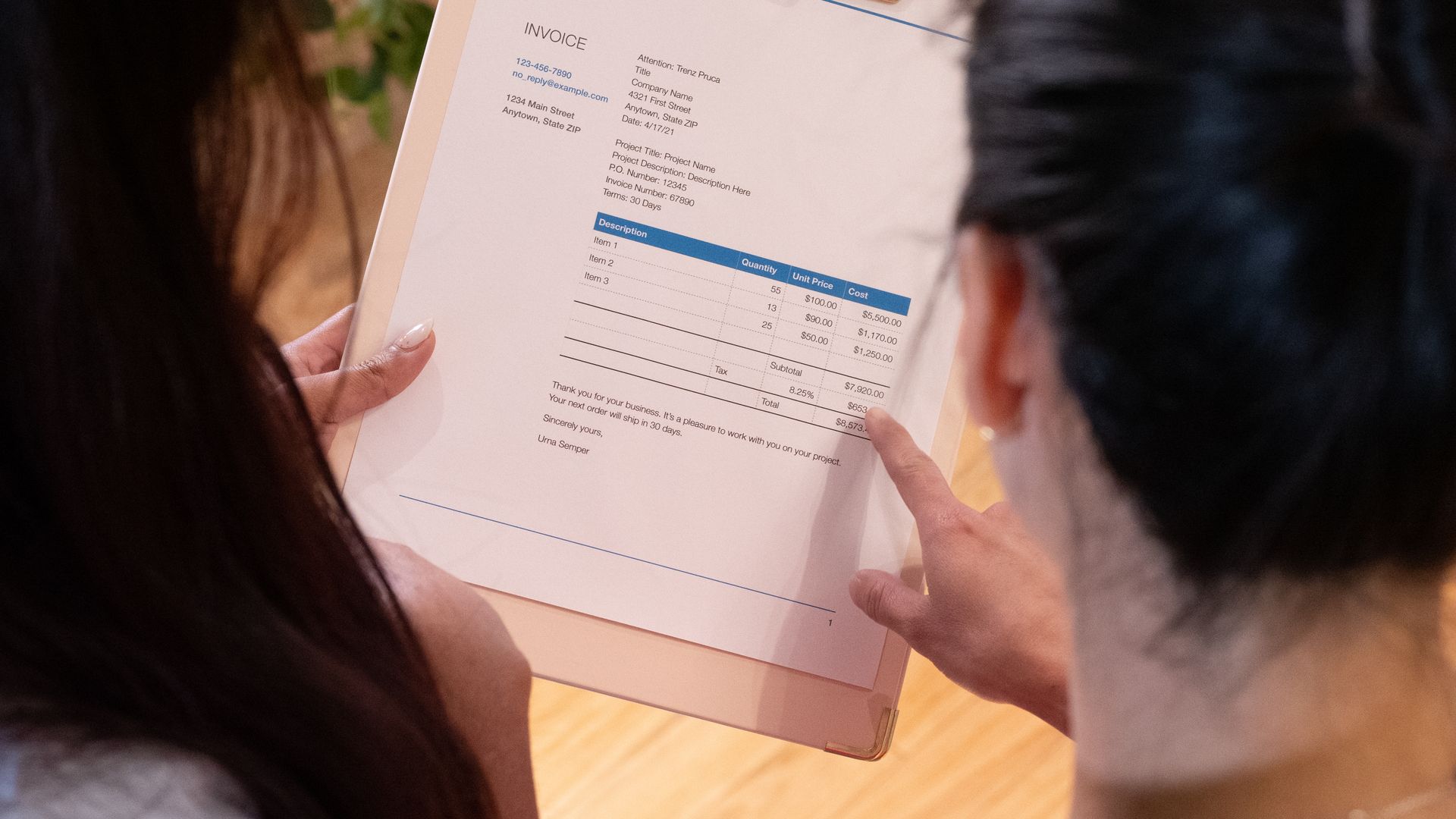
New polybag, new carton, replaced insert, re-shrink-wrap. Minutes per unit, but it is real labor and it should appear as a distinct line on your invoice — see our guide to auditing a 3PL invoice for why bundled returns labor is worth questioning.
Step 7: Putaway and inventory sync
The unit goes back to a pick location and the WMS pushes the updated available quantity to your storefront. Until this sync happens, a physically sellable unit is commercially invisible. Ask your 3PL how often inventory syncs and whether restocked returns are included in that sync — the answer is occasionally no.
What does returns processing actually cost?
Quoted costs vary too much by category, unit value and provider to give a single honest number, but the structure is consistent. You pay return shipping (if you offer it), a per-return receiving fee, a per-unit inspection fee, refurbishment labor where applicable, disposal fees on write-offs, and the opportunity cost of the days the unit spent unsellable. The last one is usually the largest and the only one nobody puts on a spreadsheet.
Two practical implications: for low-value items, the total processing cost can exceed the item's value, which is why "keep it" refunds exist. And returns velocity is worth measuring as its own KPI — median days from warehouse receipt to sellable — because it is the one number that tells you whether the queue is under control.
How do you compress the cycle?
- Put an RMA number on everything. Unidentified returns are the single biggest source of queue backup, because nobody can process what they cannot match to an order.
- Write the grading rubric down. Condition grades should be a scannable list, not an opinion.
- Process returns daily, not in batches. Weekly batching guarantees an average delay of several days before any work starts.
- Set an auto-restock rule for grade-A units. If the unit is unopened and undamaged, it should go straight back to a pick location without a decision meeting.
- Watch reason codes, not just volume. "Smaller than expected" concentrated on one SKU is a product-page fix that removes the return entirely. Our guide to seamless returns and exchanges covers the customer-facing side.
- Plan for the January spike. Post-holiday returns arrive in a wave that will expose whatever slack your process does not have — see post-holiday returns management.
Atomix handles returns processing and restocking in the same facilities that ship your outbound orders, and inventory accuracy is one of our four written guarantees — stock protected to the unit while it is in our care, credited at full documented cost if we miss. For the wider picture on returned-goods flows, see reverse logistics for returned goods and your options for handling returns.
Frequently asked questions
How long should returns processing take?
Measured from arrival at the warehouse, a few business days to sellable is a reasonable target for a standard DTC product. Anything beyond about a week means the queue is backing up faster than it clears.
What does restocking mean in returns?
Returning an inspected, sellable unit to an active pick location and updating available inventory so the storefront can sell it again. A unit is not restocked until that inventory sync happens.
What is returns disposition?
The decision made after inspection about where a returned unit goes: back to stock, to refurbishment, to a secondary sales channel, to donation, or to disposal.
Should I charge a restocking fee?
It recovers processing cost but suppresses purchase intent, and in most DTC categories the conversion cost outweighs the recovery. It is more commonly justified on high-value or heavily customized goods. Check your state's disclosure requirements before implementing one.
Why do returns take so long to show back in stock?
Almost always one of three things: the return sat unreceived in a queue, it was received but not inspected, or it was restocked physically but the inventory sync to the storefront did not include returned units. Ask your 3PL which one it is — the fix is different for each.
Can returns be processed at the same warehouse that ships my orders?
Yes, and it is generally faster, because a restocked unit is already in the building that will pick it. Separate returns centers add a transfer leg and days to the cycle.
Returns backing up faster than they clear? Talk to Atomix about returns handling in the same facility that ships your orders.

.svg)
.svg)
.svg)