Warehouse Racking and Storage Types: Pallet Racks, Shelving, and Bins — and What Your SKUs Actually Need
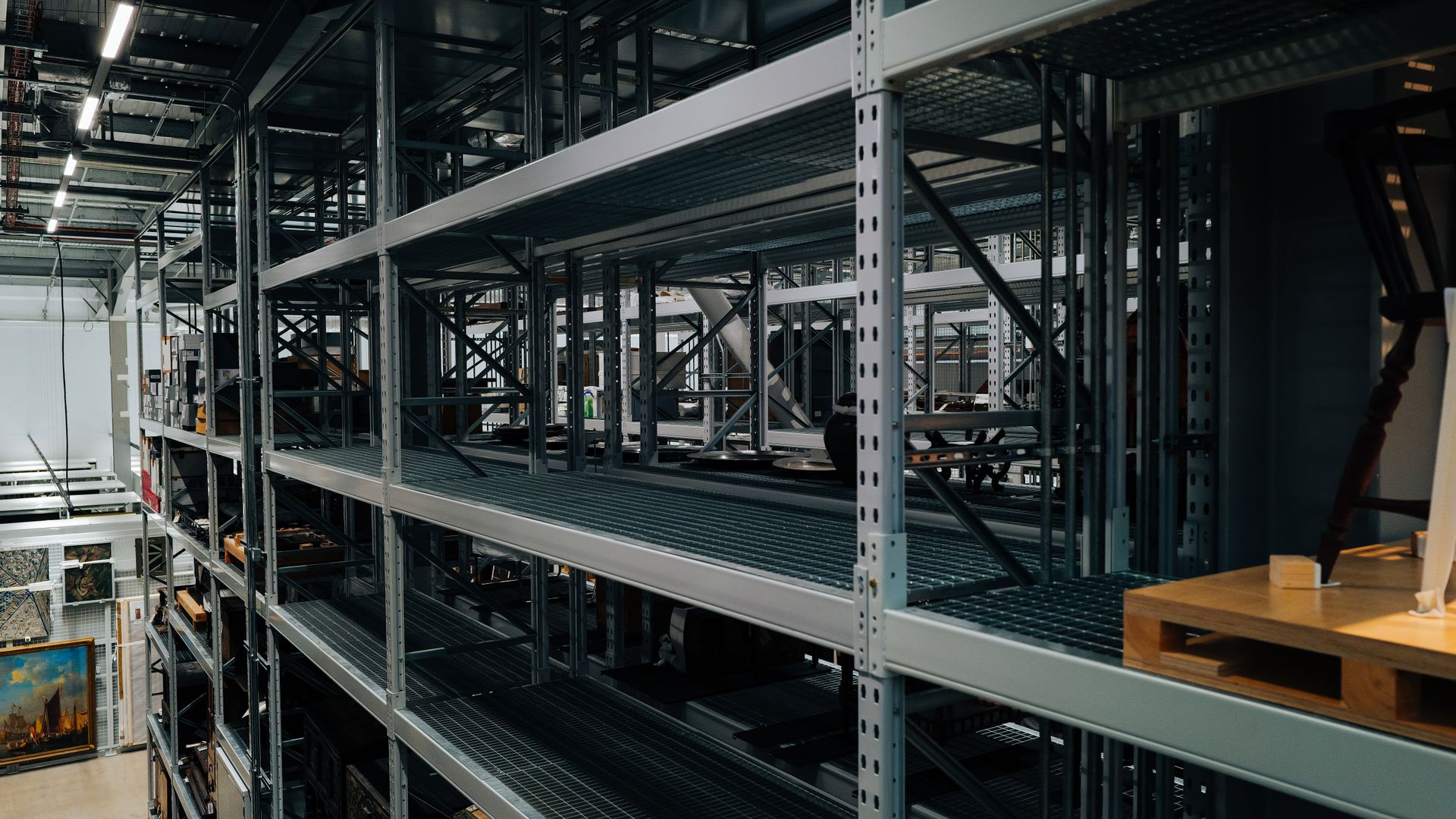
Warehouse racking and storage types are the physical formats inventory is held in — pallet racking, case or carton flow, bin shelving, and floor or bulk storage — and the format your SKUs land in is what decides how fast they get picked and how much you pay to store them. Most ecommerce brands never choose their storage format directly. A 3PL assigns it, based on how a SKU moves and how it arrives.
Understanding the formats is still worth your time, because storage type is one of the few fulfillment variables you can influence upstream — with case pack sizes, carton dimensions, and how you send inventory in.
What are the main warehouse storage types?
Five formats cover almost everything in an ecommerce fulfillment center:
- Selective pallet racking — the standard steel rack most people picture. Every pallet is directly accessible from the aisle. Best for full-pallet reserve storage of fast and medium movers.
- Drive-in, push-back, and pallet flow racking — higher-density formats that store multiple pallets deep. They trade individual pallet access for cube efficiency, and they impose a rotation order (LIFO for drive-in and push-back, FIFO for pallet flow).
- Carton flow (case flow) rack — inclined roller shelves where cases feed forward by gravity. Ideal for high-velocity SKUs picked by the case or by the each.
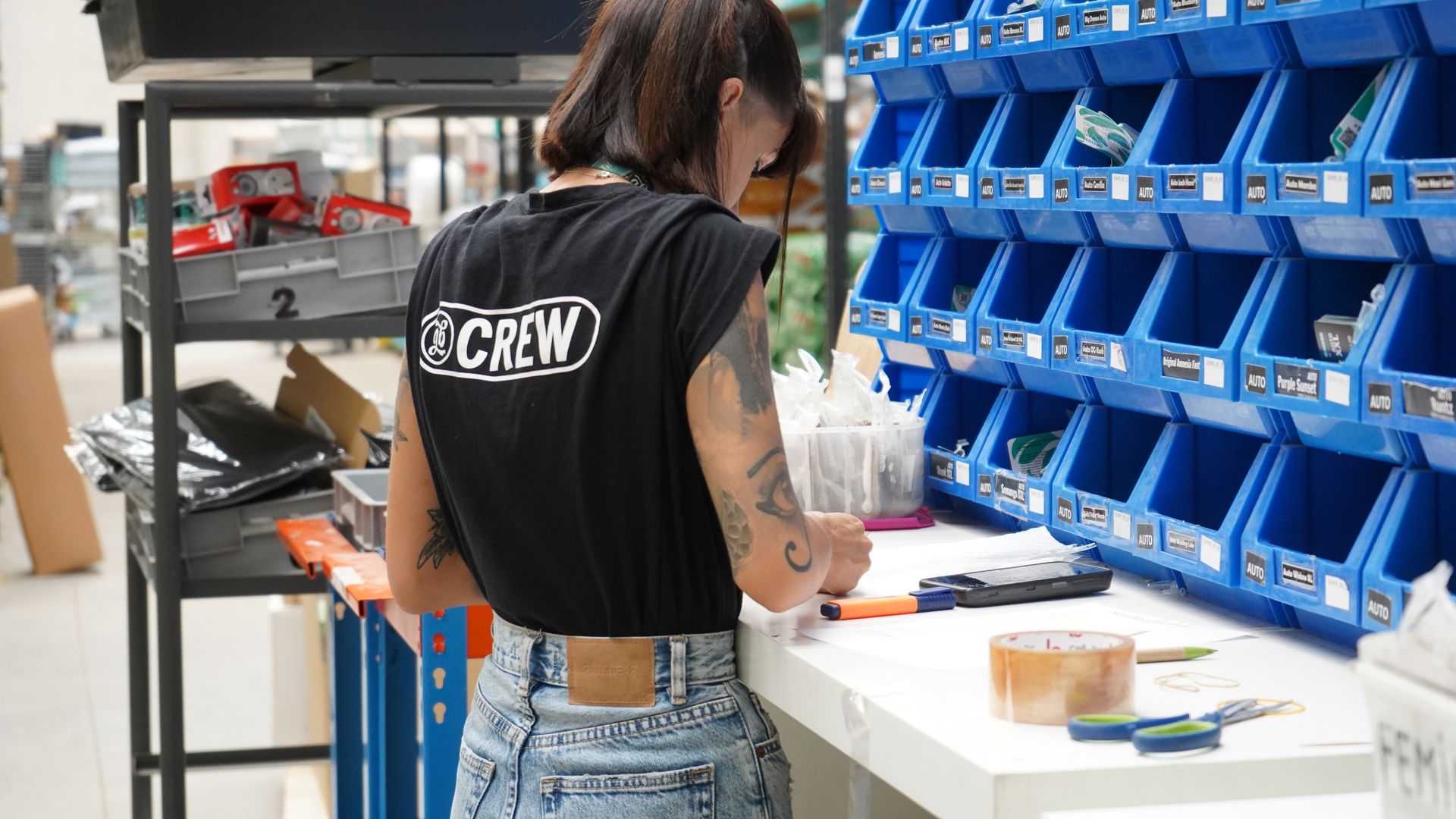
- Bin and wire shelving — small-parts storage for eaches. This is where most DTC SKUs actually live.
- Floor, bulk, and cantilever storage — for oversized, irregular, or non-palletizable goods.
Which storage type will my SKUs end up in?
Velocity and unit size decide it. A high-volume 2-ounce supplement ships from a forward pick bin replenished out of pallet reserve. A slow-moving oversized SKU may sit on a single floor position for months. Most brands have inventory in three or four formats at once — which is normal, not a problem.
How does storage type affect what you pay?
Storage is usually billed by the space a SKU occupies — pallet, shelf, or bin — not by unit count. That means two SKUs with identical sales can carry very different storage bills if one cubes out efficiently and the other does not. We break the billing mechanics down in 3PL storage fees: pallet, shelf, and bin pricing.
Three levers move the number:
- Case pack size. Sending 144 units per case when you sell 40 a month forces a full pallet position for a SKU that could live in two bins.
- Carton dimensions. Inbound cartons that do not stack cleanly on a 48x40 pallet waste cube you are paying for.
- How long inventory sits. Long-tail SKUs quietly accumulate storage cost. Classify them before they become dead stock, using an ABC analysis.
Does racking type affect pick speed?
Yes, and this is where storage format quietly shapes your per-order cost. Picking from a waist-height forward bin is far faster than pulling a case off a high pallet position with equipment. That is why fulfillment centers keep a forward pick area of fast-moving SKUs in bin or carton flow, replenished from bulk pallet reserve behind it.
The placement decision inside that pick area is a separate discipline — see warehouse slotting and pick path optimization — and it feeds directly into pick and pack cost per order.
Should you build your own racking or use a 3PL?
Buying racking means buying the building around it: the lease term, the fire-suppression rating, the forklifts, the labor. Racking itself is rarely the expensive part. If you are running the comparison, warehouse space cost versus a 3PL lays out the full picture, and ecommerce warehousing setup covers what you take on operationally.
The practical test: if your order volume is still lumpy month to month, fixed racking and a fixed lease convert a variable cost into a fixed one at exactly the wrong time.
How do you send inventory in so it stores well?
A few things make a real difference, and they cost you nothing to get right:
- Palletize to a standard 48x40 footprint, shrink-wrapped, under 48 inches tall unless you have agreed otherwise.
- One SKU per pallet layer where possible. Mixed pallets slow receiving and invite miscounts.
- Label the outside of every case with SKU and quantity.
- Send an ASN so receiving can check against an expected count rather than discovering it.
The full inbound checklist lives in how to send inventory to a 3PL and 3PL receiving.
Frequently asked questions
What is the difference between racking and shelving?
Racking holds palletized loads and is accessed with a forklift or reach truck. Shelving holds individual units or small cases and is accessed by hand. Most ecommerce inventory touches both: pallets in reserve, eaches in bins.
What is a forward pick area?
A compact zone of fast-moving SKUs in easy-reach bins or flow rack, replenished from bulk storage. It shortens pick travel, which is the single largest component of pick labor.
Is FIFO or LIFO storage better?
FIFO for anything with an expiration date, lot code, or style season. LIFO density formats like drive-in racking suit non-perishable, high-volume goods where rotation order does not matter.
Can I ask my 3PL which storage type my SKUs are in?
Yes, and you should. Any 3PL running a real warehouse management system can tell you the storage type and space occupied per SKU. If they cannot, that is worth knowing before you sign.
Atomix Logistics stores and ships ecommerce inventory across pallet, shelf, and bin formats, and bills for the space your SKUs actually occupy. Reach out for a quote.

.svg)
.svg)
.svg)