Warehouse Layout for Ecommerce: How to Zone Receiving, Storage, Picking, and Packing
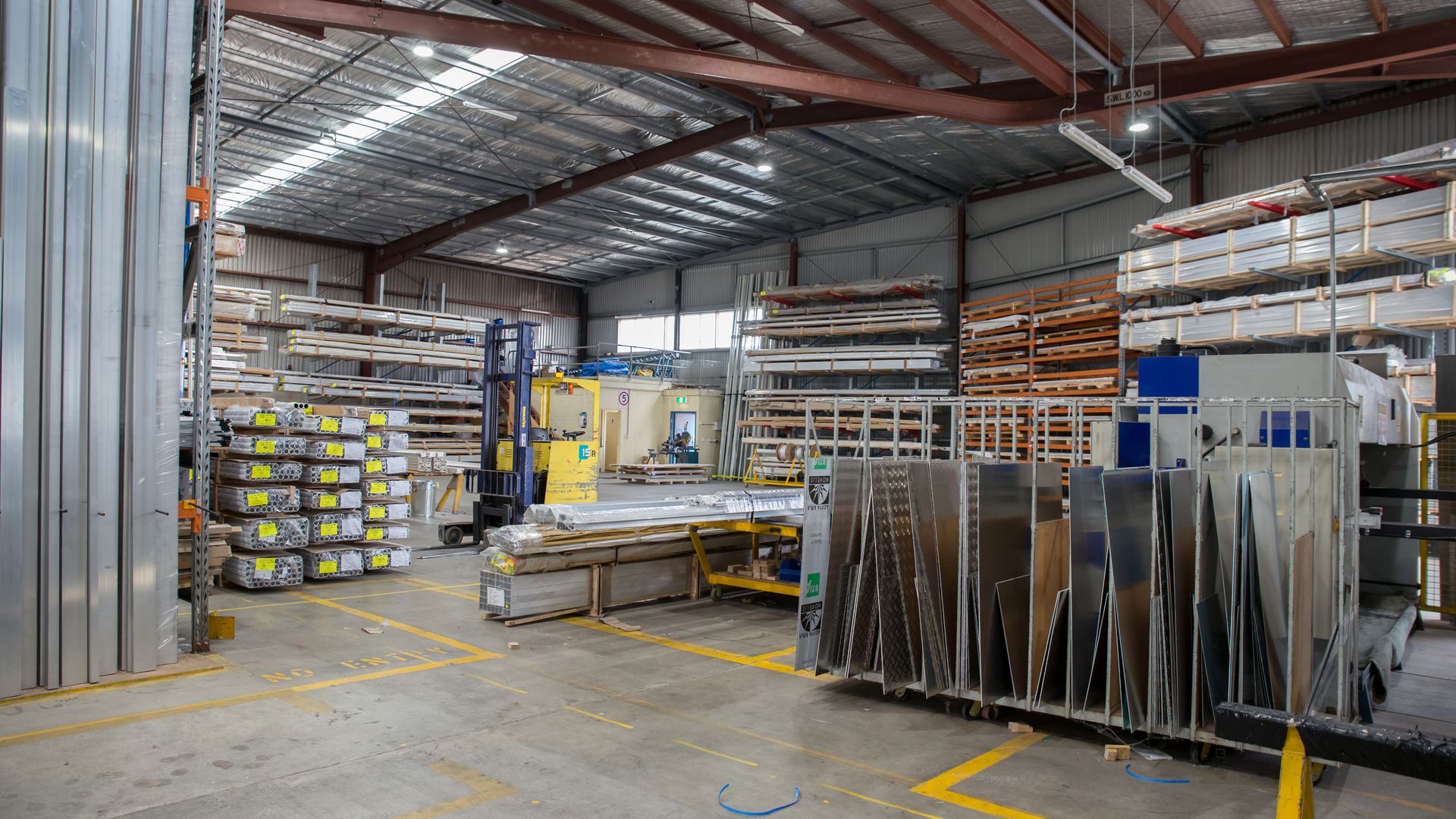
An ecommerce warehouse layout is the arrangement of five functional zones — receiving, reserve storage, forward pick, pack, and outbound staging — laid out so that inventory moves in one direction and people walk as little as possible. Layout is not decoration. In a fulfillment operation, travel time is usually the largest single component of pick labor, and layout is what determines travel time.
Here is how the zones work, in the order a unit passes through them.
What are the zones in an ecommerce warehouse?
1. Receiving and inbound
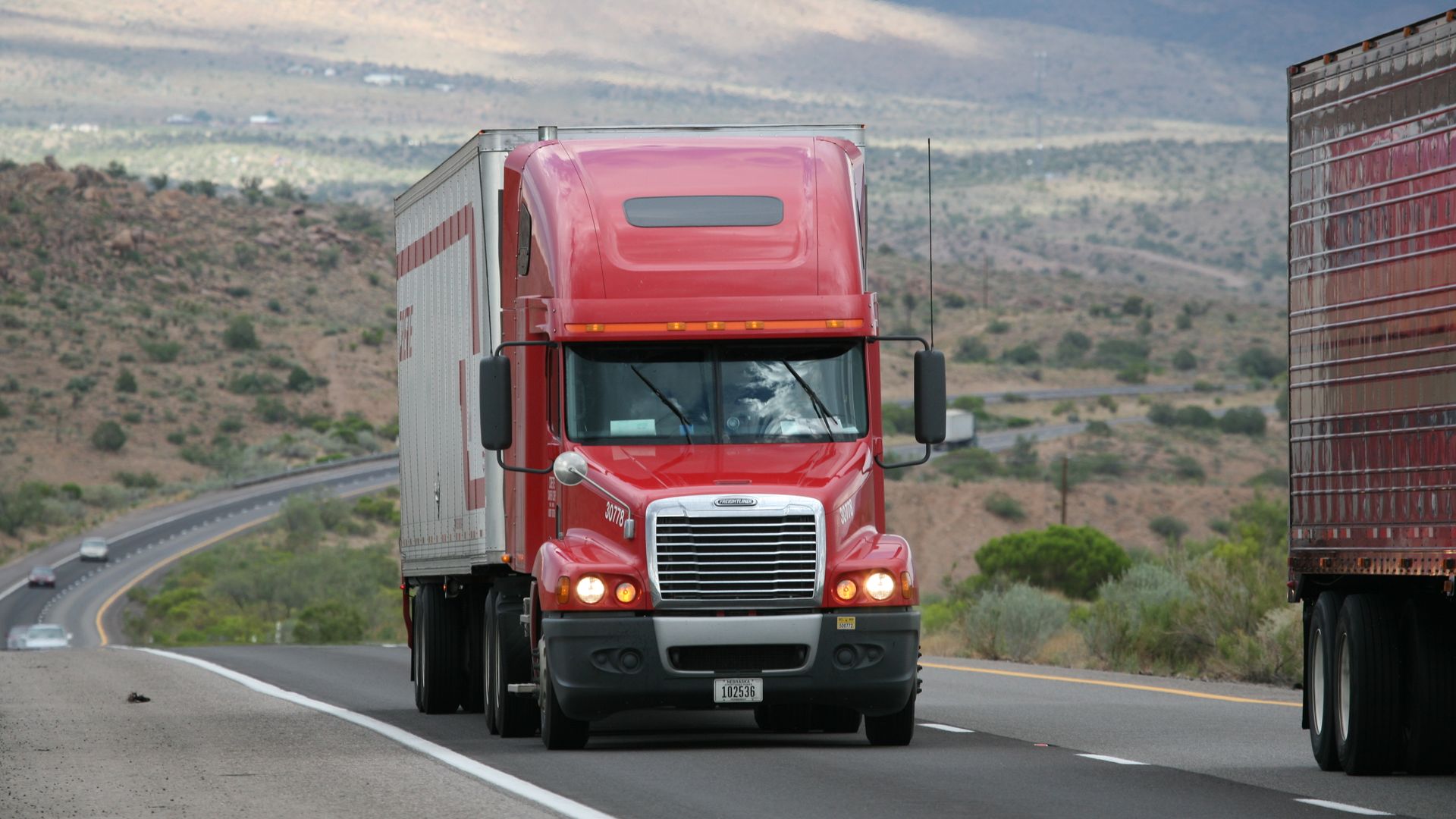
Trucks unload at the dock. Cartons are counted against the advance ship notice, inspected, and assigned a location. Everything downstream depends on this count being right — a receiving error becomes a phantom stockout three weeks later. See 3PL receiving for what actually happens here.
2. Reserve (bulk) storage
Full pallets and cases that are not being picked right now. This zone is optimized for density, not access speed — it should hold the most inventory in the least cube. The racking format here is usually selective or high-density pallet rack.
3. Forward pick
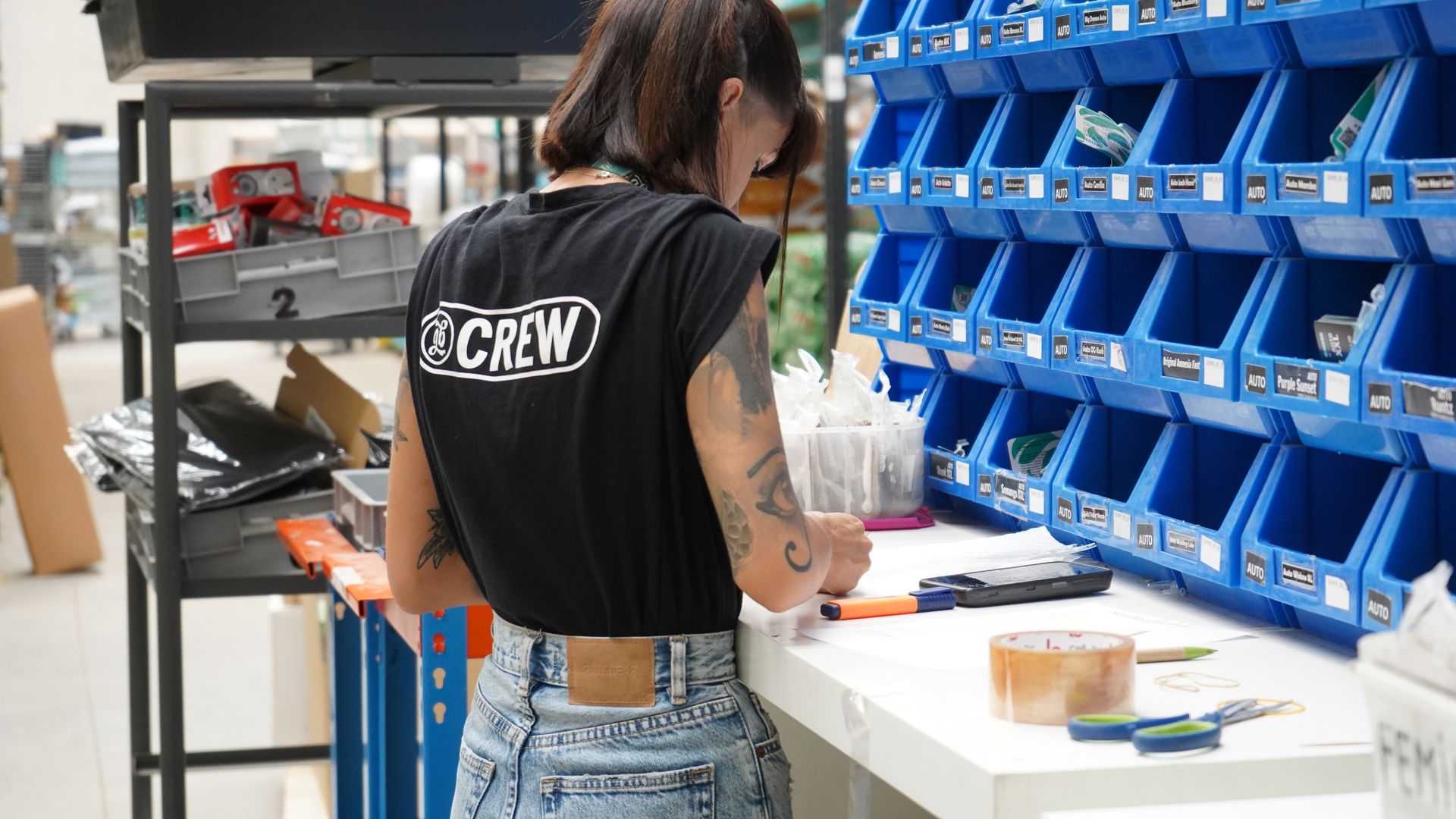
The compact zone where orders are actually picked: bins and carton flow at waist height, holding the SKUs that move. Reserve storage replenishes it. A good forward pick area lets a picker fill most orders without leaving a short loop.
4. Pack
Stations where items are verified, boxed, dunnaged, labeled, and manifested. Pack benches sit downstream of pick and upstream of the dock, with consumables staged within arm's reach.
5. Outbound staging
Sorted by carrier and trailer, staged against pickup times. If this zone is undersized, packed orders back up and miss the ship-by cutoff.
What layout shape works best?
Three patterns cover most buildings:
- U-shape — receiving and shipping share one side of the building. Docks are flexible, equipment travel is short, and it suits smaller footprints. Most common in ecommerce.
- I-shape (straight through) — receiving on one end, shipping on the other, product flows in a straight line. Excellent for high volume and cross-docking; needs a long building.
- L-shape — a compromise used when dock doors sit on adjacent walls.
None is universally correct. The right one is the one that keeps product moving forward and never crossing its own path.
How do you know a layout is working?
Watch four things:
- Units picked per labor hour. If it is falling while volume is flat, travel distance has probably crept up as SKUs were slotted wherever space existed.
- Replenishment frequency. Constant replenishment runs to the forward pick area mean pick faces are sized too small for velocity.
- Congestion points. Two people waiting on one aisle is a slotting problem, not a staffing problem.
- Dock dwell time. Inbound trailers sitting because receiving is full means the receive-to-putaway loop is too long.
The fix for most of these is slotting, not construction. Moving twenty SKUs is cheap. Moving a wall is not.
Does layout change with order profile?
Substantially. A brand shipping single-item DTC orders wants a dense forward pick area and single-line pick paths. A brand shipping multi-item subscription boxes wants batch picking and a larger pack zone. A brand shipping B2B pallets to retailers wants dock space and staging area, not bin shelving. The picking method you use and the layout you need are the same decision viewed from two angles.
Do you need to think about this if you use a 3PL?
You do not design it — but it is fair to ask about it. During a site visit or a 3PL onboarding conversation, three questions tell you a lot:
- Where will my fast movers be slotted, and who decides?
- How often is slotting reviewed as my SKU velocity changes?
- How is my inventory separated from other brands' inventory?
A 3PL that can answer those specifically is running a real operation. Add them to your list in questions to ask a 3PL before signing.
Frequently asked questions
How much warehouse space do I need per order?
There is no reliable per-order rule — space is driven by SKU count, case pack size, and how many weeks of cover you hold, not by order volume. Estimate from pallet and bin positions required, then compare against warehouse space cost versus a 3PL.
What is the difference between reserve and forward pick storage?
Reserve holds bulk inventory densely. Forward pick holds a small quantity of each active SKU in an easy-reach location. Reserve feeds forward pick through replenishment.
Should receiving and shipping share a dock?
In smaller buildings, yes — it is more flexible. At higher volume, separating them prevents inbound trailers from blocking outbound pickups during peak.
Does layout matter if I only ship a few hundred orders a month?
Less than slotting does. At low volume, put your top SKUs within a few steps of the pack bench and you have captured most of the available gain.
Atomix Logistics runs zoned fulfillment operations built around each brand's order profile, with slotting reviewed as velocity shifts. Reach out for a quote.

.svg)
.svg)
.svg)